


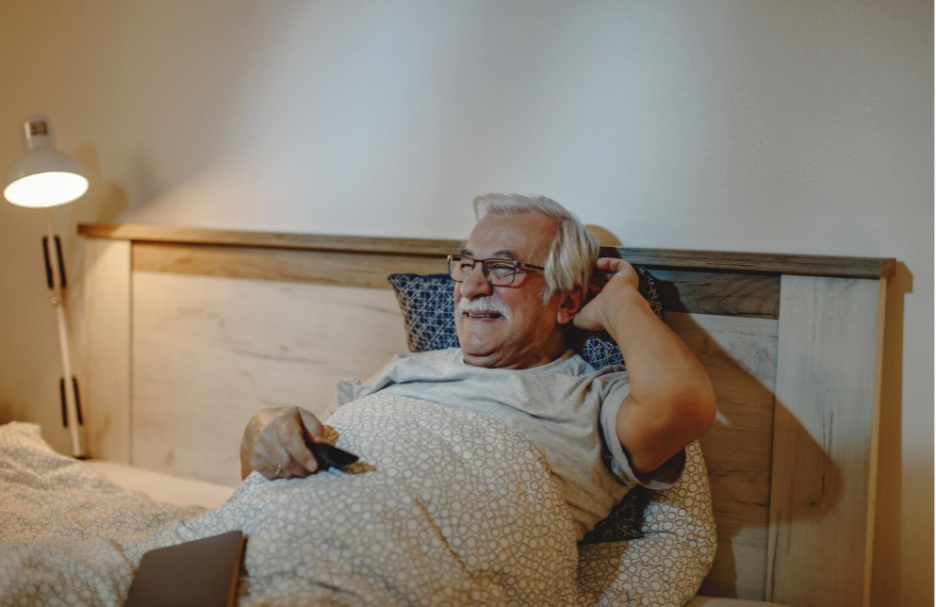
For many older adults, living independently means being able to manage everyday routines while knowing that help is available when it is needed. It can mean staying in a familiar home, maintaining social connections, and making personal choices without giving up a sense of control.
Technology is creating new ways to support these goals. From smart lighting and voice assistants to artificial intelligence (AI), fall detection, and digital health tools, everyday devices are becoming part of how people approach aging at home.
The goal is not to fill a home with complicated gadgets. The more useful approach is to choose technology that addresses practical needs without making daily routines harder.
Smart Homes Can Make Everyday Life Simpler
A smart home does not necessarily need to look futuristic. Sometimes, the most useful technology is also the simplest.
Smart lights can be programmed to turn on at particular times or controlled without reaching for a switch. Smart thermostats can adjust the temperature automatically. Voice assistants can help with reminders, timers, calls, and other basic tasks.
These small changes can become especially useful when mobility, vision, hearing, or memory makes certain activities more difficult.
The important consideration is ease of use. A device may have dozens of functions, but if it is confusing to operate, it is unlikely to become a useful part of someone’s routine.
AI is Opening New Possibilities for Elder Care
Artificial intelligence is creating new possibilities for supporting older adults. AI can help analyze information from connected devices and sensors to identify changes in movement or daily activity.
One potential application is fall detection. Sensors can monitor movement and identify patterns associated with a potential fall, creating another way to initiate an alert when someone may be unable to call for help.
However, AI should support rather than replace human care. Its usefulness also depends on accuracy, privacy, ease of use, and how well the technology addresses the needs of older adults. The World Health Organization has highlighted the importance of addressing age-related bias when developing AI technologies for health.
Fall Detection Can Add Another Layer of Safety
Falls are a common concern for older adults who want to remain independent at home.
A fall can happen quickly, and the biggest challenge may come afterward. Someone who is injured, disoriented, or unable to stand may also struggle to reach a phone or press a help button.
Depending on the device, fall detection technology can use sensors or accelerometers to identify a potential fall and trigger an alert to a monitoring service.
It is important to remember that fall detection is not perfect. Devices can sometimes miss an event or interpret another movement as a potential fall. That is why technology works best alongside other safety measures, such as better lighting, clear walkways, appropriate mobility aids, and practical home modifications.
Medical Alert Technology Can Keep Help Within Reach
For someone who lives alone, having a simple way to request assistance can provide reassurance without taking away independence.
An in home medical alert system can allow a person to contact a monitoring center through a wearable device when assistance is needed.
Depending on the system, communication may take place through a pendant, wrist-worn device, or base unit.
The value of this type of technology is not that it eliminates risk. Instead, it creates another option when something goes wrong.
The right system also depends on a person’s lifestyle. Someone who spends most of their time at home may have different needs from someone who regularly walks, shops, visits friends, or travels independently. Technology becomes more useful when it fits naturally into existing routines.
Technology Can Make Medication Routines Easier
Remembering medication can become challenging when someone takes several prescriptions at different times of the day.
Smart medication boxes and automated dispensers can provide reminders and, in some cases, help organize doses. Even a basic phone alarm or voice assistant can make a difference for someone who occasionally forgets a scheduled dose.
These tools are not a substitute for medical advice. Their role is much simpler: They can make an existing routine easier to follow.
For families, this can provide another way to support an older relative without constantly taking over their daily responsibilities.
Staying Connected Matters Just as Much as Staying Safe
Independence is not only about physical safety. Social connection plays an important role too.
Smartphones, tablets, video calling platforms, hearing aids, and captioning tools can make it easier for older adults to communicate with family and friends. A simple video call can help someone maintain relationships even when travel or mobility limitations make frequent visits difficult.
Technology can also make regular check-ins easier. Family members might use a shared calendar, messaging group, or scheduled call to stay connected without making the older person feel constantly monitored.
That distinction matters. Technology should help people remain connected while allowing them to maintain control over their own routines.
The Right Technology Depends on the Individual
There is no single collection of devices that will make independent living easier for everyone.
For one person, automated lighting and a medication reminder may be enough. Another person may benefit from a wearable alert device or fall detection. Someone else may simply need a larger smartphone display and easier access to video calls.
Starting small can make the transition easier. Rather than introducing several devices at once, families and older adults can identify one specific challenge and look for technology that addresses it.
Ease of use, reliability, battery life, connectivity, privacy, and what happens when an alert is triggered are all worth considering before choosing a device.
Most importantly, the older adult should have a say in the process. Technology intended to support independence should not unintentionally make someone feel that their home or routine is being controlled by others.
Technology Should Support Independence, Not Replace It
Smart technology is changing the way people think about aging at home. Its greatest potential may not come from replacing human assistance, but from filling small gaps in everyday life.
A light that turns on automatically, a reminder that arrives at the right time, a device that can detect a possible fall, or a simple way to contact someone can each provide a little more confidence.
The most useful technology is not necessarily the most advanced. It is technology that fits naturally into everyday life, addresses a genuine need, and gives older adults another way to stay connected, safe, and in control.





Comments (0)