

In 2024, I wrote an article about eating disorders and the difficulty of being in recovery from bulimia during the holy month of Ramadan.
Over time, I created a plan that works for me, one that helped me stay grounded when fasting, family gatherings, and food-centered traditions made everything feel heavier than it already was. But recently, I jumped into a phase I wasn’t warned about, and a phenomenon I haven’t seen enough people openly talk about: pregnancy and eating disorders, specifically bulimia.
Being in my first trimester, I moved past the peak of morning sickness, that exhausting cycle of being sick, then sick again, and then sick because you’re thinking about being sick. That was when a new fear unlocked.
Suddenly, food was no longer just food, it became a daily stress test.
My thoughts spiraled: What is safe for the baby? What will make me nauseous? What if I eat and throw up? What if I don’t eat and the baby doesn’t get enough nutrients? What if I eat too much and gain all the weight I worked so hard to lose?
Because I already have a complicated and painful relationship with food, that fear did not arrive quietly. Pregnancy did not create my eating disorder, bulimia has been part of my story for a long time, but it forced me to confront it in a louder and scarier way.
Everyone around me repeated the same advice: “Just eat,” “You’re eating for two,” “The baby needs nutrients.” I know they meant well, but their words added pressure rather than comfort. I was no longer just managing my own thoughts, I was carrying everyone else’s opinions, too. I stopped trusting my body, my instincts, even my fears.
I knew I couldn’t handle the anxiety alone. I needed professional help, not reassurance or pressure, but real support.
I booked an appointment with a nutritionist who specializes in eating disorders and restarted therapy. Living with diagnosed Generalized Anxiety Disorder (GAD), my panic attacks were worsening. Every wave of nausea triggered the same dangerous thought loop, “If I throw up, I’ll feel better.”
But bulimia is not just about weight loss. It is a cycle of bingeing, purging, bargaining, guilt, panic, relief, and guilt all over again. During pregnancy, that cycle threatens both the baby and me.
My first appointment with the nutritionist brought unexpected relief. She reminded me of something I knew intellectually but struggled to accept emotionally: I am not “eating for two.” I do not need to double my intake, only add a modest number of calories depending on the stage of pregnancy. Even then, the idea felt overwhelming when eating at all felt terrifying.
She explained that eating disorders are deeply rooted. This was not about willpower, but about what food had represented for years: control, shame, punishment, comfort, and fear. Therapy would address the “why,” while she helped me navigate pregnancy-specific fears in practical ways.
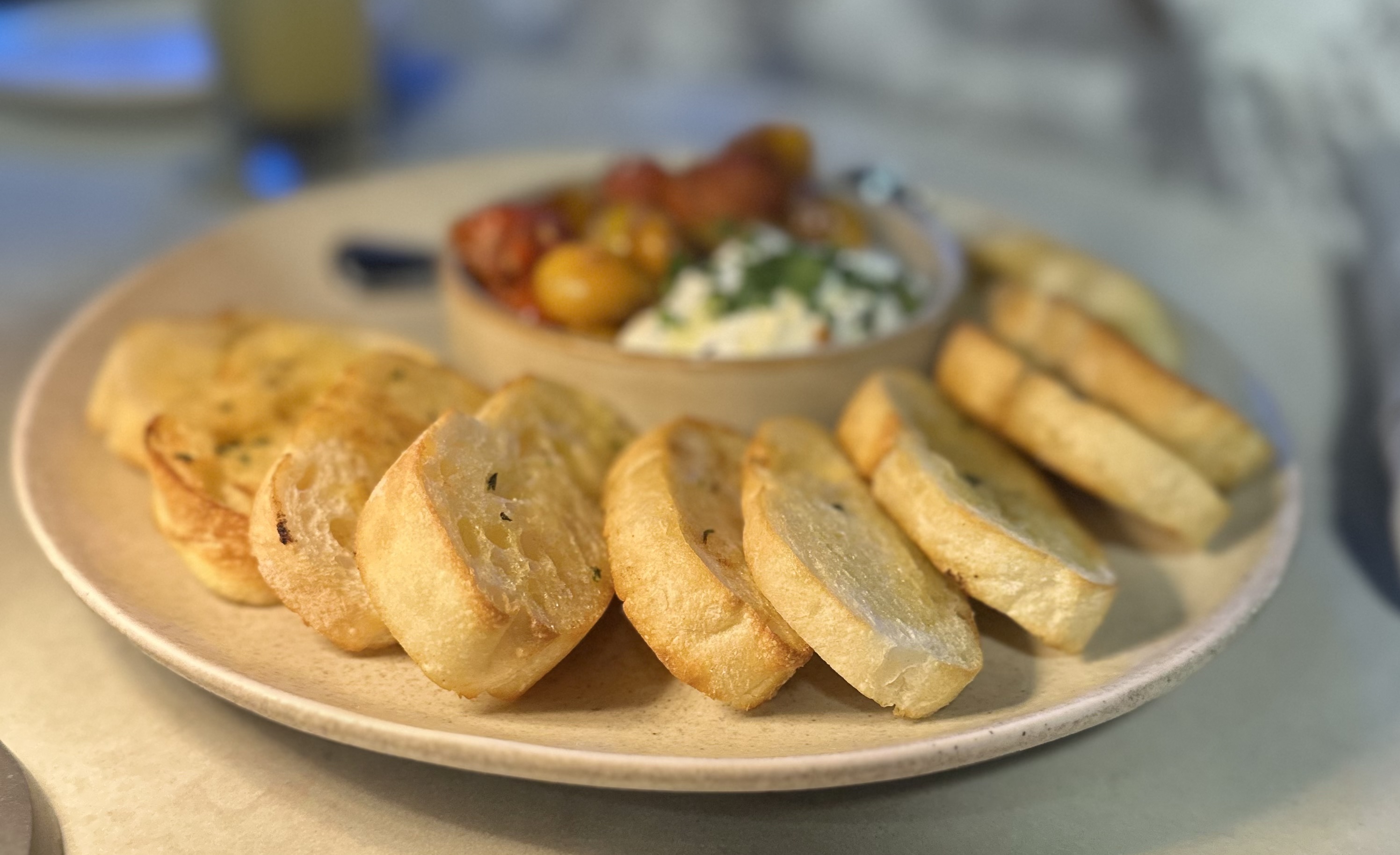
We built a plan around what I could tolerate. For weeks, fruit was all I could manage. Instead of forcing meals, she suggested small additions like nuts and cheese. When I could only eat cereal, she guided me toward higher-protein options. When nausea worsened, she encouraged me to drink my meals. Smoothies became a lifeline, built intentionally rather than out of desperation.
Now, I grocery shop with strategy instead of fear.
Before pregnancy, I used AI to help me meal prep, something I never imagined would work for me. For the first time, weight loss felt structured and sustainable. Now, with professional guidance, I’ve learned how to adapt those tools to pregnancy, focusing not on restriction, but on nourishment without triggering bulimia.
Therapy has been about going deeper. We’ve unpacked how food became a battleground, shaped by family, society, and casual cruelty toward bigger bodies. These comments, often dismissed as harmless, leave lasting damage.
I am far from recovered. The thought if I throw up, I’ll feel better still appears when morning sickness hits. The difference is that now I know how to respond. I’m learning how to stay nourished while pregnant, protect my mental health, and accept bodily changes I cannot control.
I’m also learning to set boundaries. Pregnancy invites opinions from everyone. Sometimes the healthiest response is shutting them down: “This is my body. This is my baby. When I’m hungry, I’ll eat what I can.”
Maybe I’m more blunt than I used to be, but boundaries protect my peace of mind and keep me from falling into old patterns.
Will this fear ever disappear? Will I ever be comfortable around food? I don’t know. What I do know is that silence keeps people trapped. When we avoid these uncomfortable conversations, we convince ourselves we are alone and that seeking help is weakness. It is not.
My relationship with food may always be tumultuous, but as long as I’m honest with myself and willing to ask for help when I need it, I won’t have to fight it alone, and conversations that are often treated as taboo do not have to remain hidden for anyone who recognizes themselves in this silence.
Any opinions and viewpoints expressed in this article are exclusively those of the author. To submit an opinion article, please email [email protected].
Comments (0)