


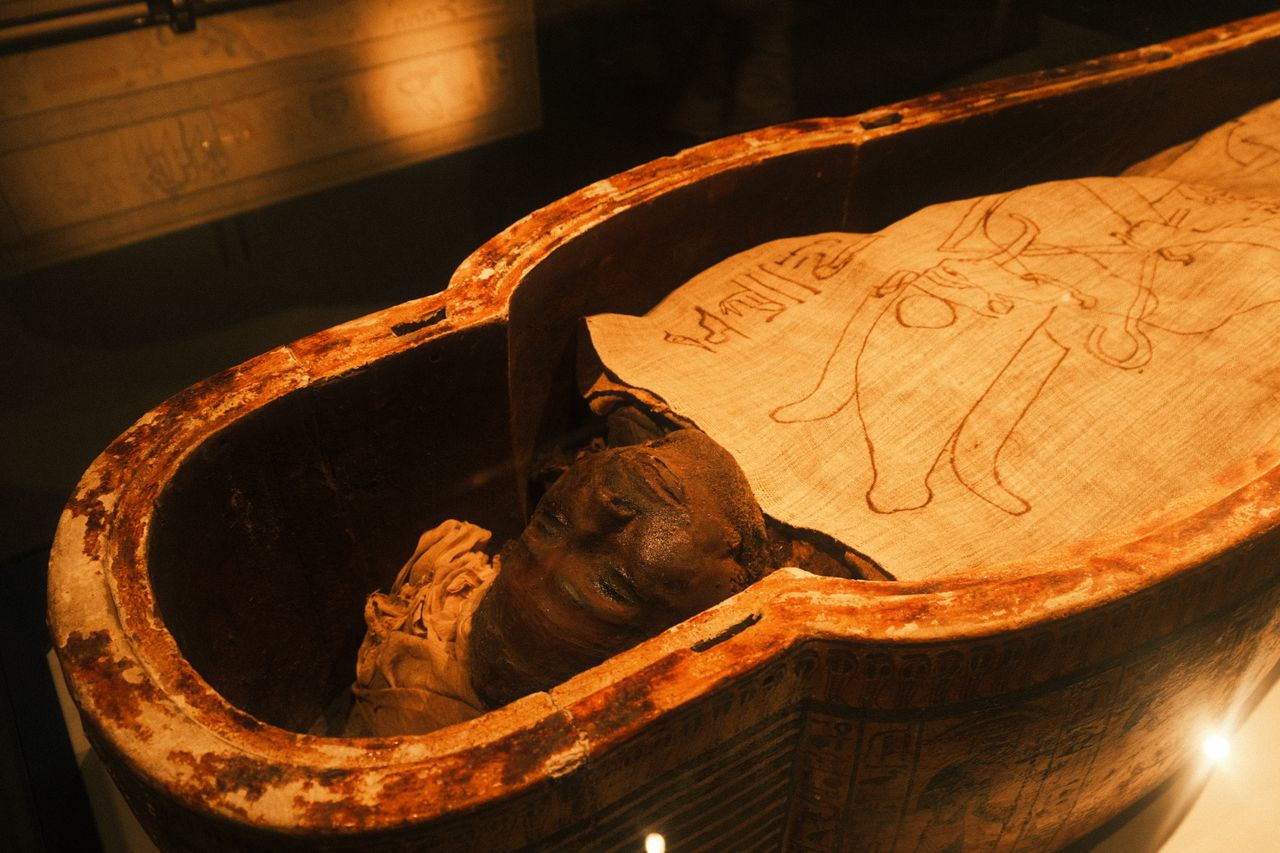
For those wondering exactly what is mummification, it was a specialized procedure that completely halted the natural decay of a human body so the soul could recognize its physical home in the afterlife. The overarching goal of mummification in ancient Egypt was to ensure eternal life, which locals believed was only possible if the physical shell remained perfectly intact. Without a recognizable body, the spirit was doomed to vanish.
Diving into the complex details of these ancient burial rituals can feel like tackling a massive research project. While university students studying antiquity might consult an essay writing service to help manage their heavily cited historical papers, everyday history enthusiasts can easily learn the basics through this straightforward guide.
By exploring these Egyptian mummification techniques in 2026, you will appreciate the advanced biological knowledge possessed by early civilization. Let’s explore exactly what happened inside the dusty embalming tents thousands of years ago.
The religious purpose behind preserving the dead
If you ever ask why did Egyptians mummify bodies, the answer is that priests performed these elaborate seventy-day rituals entirely to guarantee the deceased person’s spirit could survive forever in the Field of Reeds. The ancient culture viewed death not as an end, but as a direct transition to a permanent, joyful existence. They dedicated immense agricultural and financial resources to preparing for this final journey.
To make this transition, a person’s soul needed to safely return to the tomb every single night. If the body decayed into dust, the wandering soul would become lost and cease to exist entirely.
This strict religious requirement pushed early scientists to master human anatomy. Embalming quickly became a highly respected scientific profession passed down through generations.
Removing the internal organs for spiritual safety
As the first step in the Egyptian mummification process, embalmers quickly extracted the lungs, liver, stomach, and intestines because these moisture-heavy organs caused the fastest physical decomposition. The brain was carefully pulled out through the nasal cavity using a specialized bronze hook, as priests incorrectly believed it served no biological purpose.
They deliberately left the heart inside the chest cavity during this invasive procedure. The culture considered the heart to be the absolute center of human intelligence, emotion, and memory. It had to remain in place so the gods could eventually weigh it against the feather of truth.
The removed organs were washed, dried in salt, and placed into dedicated limestone containers.
The four protective canopic jars and their contents
| Guardian deity | Animal head shape | Protected organ |
| Hapy | Baboon | Lungs |
| Imsety | Human | Liver |
| Duamutef | Jackal | Stomach |
| Qebehsenuef | Falcon | Intestines |
Source note: Data reflects standard New Kingdom funerary practices.
Drying the body with natural natron salt
Workers completely buried the empty corpse in a naturally occurring salt compound for exactly forty days to drain all bodily fluids. This harsh chemical mixture, harvested from dry lake beds, prevented bacteria from multiplying and destroying the skin.
Natron acts as both an extreme drying agent and a powerful natural disinfectant. It left the physical remains incredibly stiff, darkened, and remarkably well-preserved for thousands of years.
Once the tedious drying phase concluded, priests gently washed the body with purified water from the Nile River. They then massaged the stiff limbs using these specific liquids to restore skin flexibility:
- Imported cedar oil
- Melted pine resin
- Liquid beeswax
Wrapping the deceased in linen bandages
The wrapping phase required hundreds of yards of fresh linen strips to physically support and shape the fragile, dried skeleton. Priests individually wrapped each finger and toe before binding the larger limbs tightly together.
During this intricate process, the embalmers recited continuous prayers to ward off evil spirits. They strategically tucked dozens of magical amulets between the layers of cloth to provide spiritual armor for the dangerous journey ahead.
Traditional protective charms hidden inside the linen layers included:
- Small carved scarab beetles
- The Eye of Horus symbol
- Tiny gold columns
- Stone knots representing life
Social classes and affordable burial options
Only the wealthiest pharaohs and elite nobles could afford the premium, seventy-day mummification process with expensive imported resins. Average farmers and laborers settled for much cheaper, faster alternatives to secure their spot in the afterlife.
Middle-class families often paid embalmers to simply inject cedar oil into the body to dissolve the internal organs. The corpse was then briefly dried in salt and returned to the family without expensive linen wrappings or protective amulets.
The poorest citizens simply buried their dead directly in the scorching desert sand. Ironically, this dry sand absorbed moisture so rapidly that it naturally created perfectly preserved remains without any expensive human intervention.
The final burial rituals and ceremonies
Family members hired professional mourners to cry loudly while priests performed the Opening of the Mouth ceremony right outside the tomb. This final magical spell supposedly reawakened the senses of the mummified body, allowing the spirit to eat, drink, and speak in the afterlife.
After completing the spell, workers placed the heavy wooden sarcophagus deep inside the dark burial chamber. They surrounded the decorated coffin with everything the person might need for eternity.
Archaeologists still uncover untouched tombs containing well-preserved mummies today, proving these preservation methods were incredibly effective. Even in 2026, modern science continues to study these ancient Egyptian mummies to understand early human diets and diseases.
Wealthy citizens typically filled their final resting places with these essential daily items:
- Preserved meats and dried fruits
- Wooden models of household servants
- Expensive ivory board games
- Spare linen clothing
- Heavy golden jewelry
Frequently asked questions about ancient preservation
Did everyone in ancient Egypt get mummified?
No, only the wealthiest citizens could afford the expensive oils and linen bandages required for traditional embalming. Poorer citizens were usually buried in the hot desert sand, which naturally dried and preserved their remains.
How long did the embalming procedure take?
The premium preservation method used for royalty took exactly seventy days to complete. The drying phase using natron salt alone accounted for forty of those days.
What did they do with the removed organs?
For the wealthy, priests dried the lungs, liver, stomach, and intestines and placed them inside four protective canopic jars left right next to the sarcophagus. However, for middle-class and poorer citizens, embalmers either injected cedar oil to dissolve the organs internally or simply left them inside the body to dry naturally in the hot desert sand.




Comments (0)