


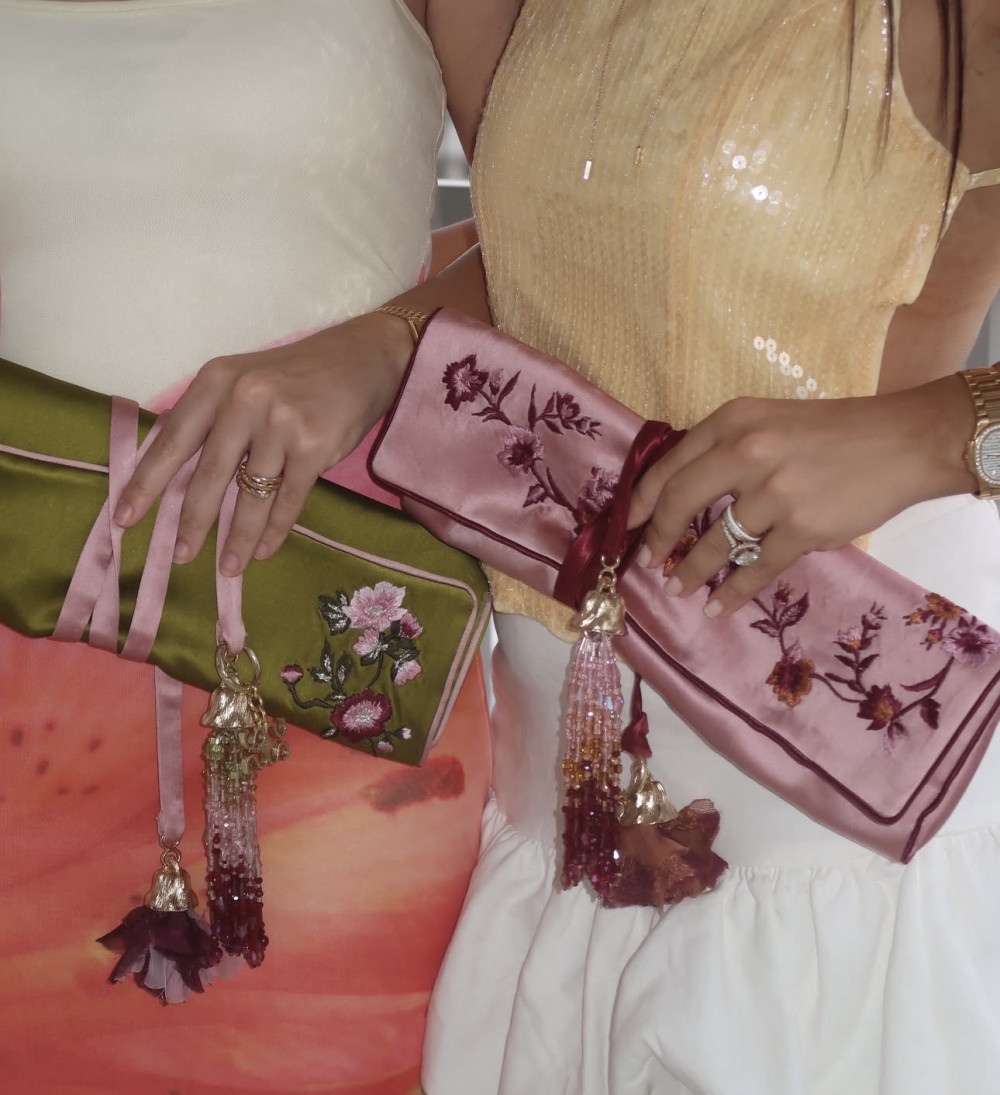
Forty hours of meticulous craftsmanship. Forty hours of weaving Egypt’s identity into every detail of a bag. Forty hours of creating a piece of Egypt to share with the world.
This is how Egyptian luxury house Shahira Lasheen’s debut bag collection, which was launched in late September, can be summed up in just three sentences. Adorned with intricate floral embroidery and delicate satin ribbon details, the handcrafted bag evokes the nostalgic charm of Egyptian grandmothers’ homes, where floral motifs, gold-plated chairs, and beautifully patterned boxes brought warmth and elegance to every living room.
Step into the traditional home of an Egyptian grandmother, and you’ll likely find floral prints woven into every corner. More than a decorative choice, these patterns reflect the elegance and femininity of Egyptian interiors, revealing how generations of Egyptian women expressed their identity and celebrated craftsmanship through the details of their homes.
Egyptian luxury house Shahira Lasheen’s debut bag collection draws inspiration from the nostalgic beauty of traditional Egyptian homes, where floral prints and delicate decorative details reflected generations of feminine elegance and artistic expression.
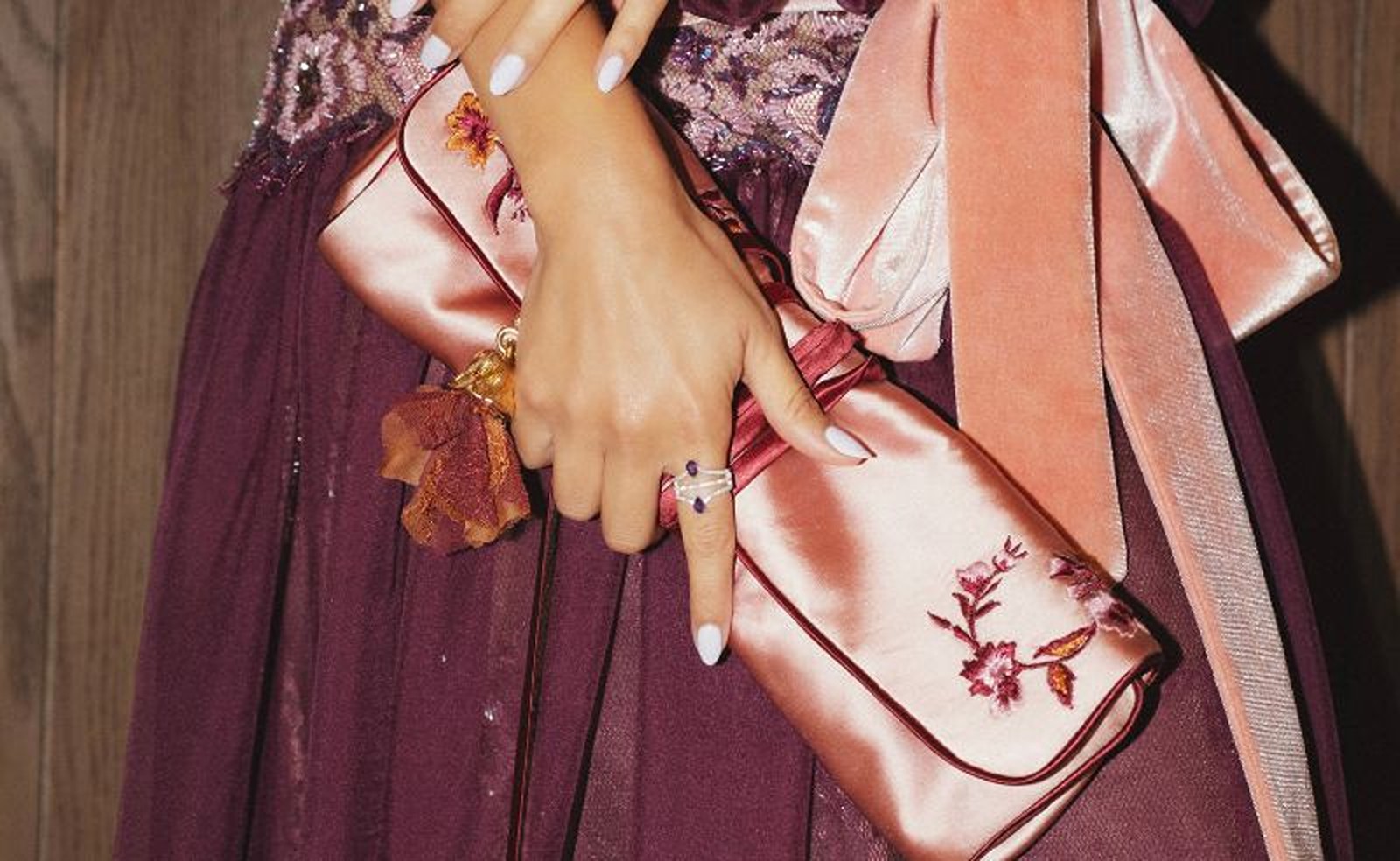
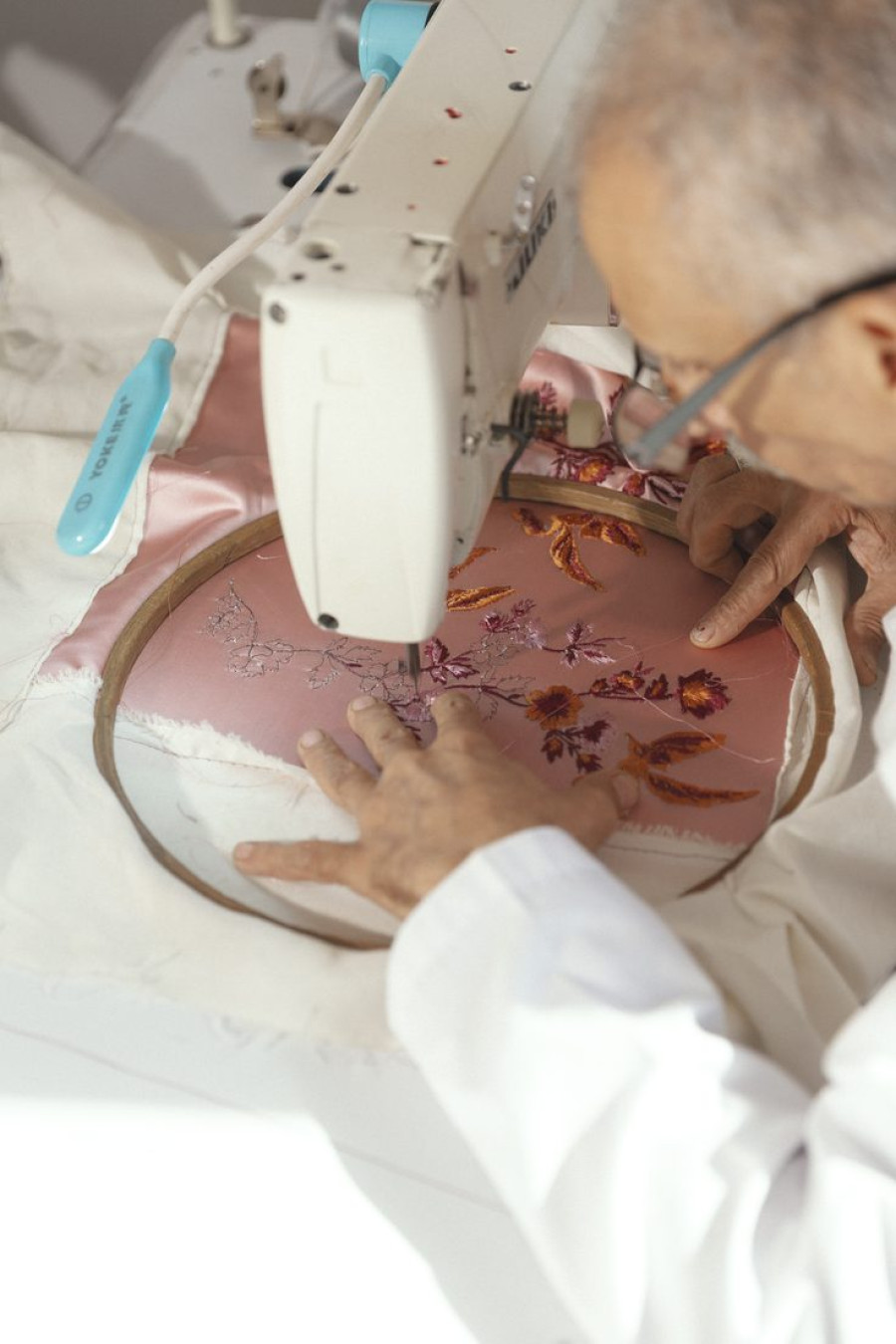
Each bag is brought to life through approximately 40 hours of meticulous handwork, combining couture craftsmanship with the cultural memories embedded in Egypt’s domestic spaces.
“Handwork is part of the identity of the bag. It brings a human touch to couture, where every detail is considered, touched, and shaped by the artisan,” Lasheen tells Egyptian Streets.
“For us, that connection between heritage, craftsmanship, and contemporary design is what gives Egyptian handwork its place within couture today.”
Every stitch, embellishment, and finishing detail is carefully considered, allowing the piece to evolve gradually through the hands of the artisans who create it.
“The 40 hours of handwork are a reflection of the intimacy of the process. Because every bag is made to order, the handwork also responds to the individual choices made by its owner,” Lasheen adds.
Embroidery, in particular, represents the thread between Egypt’s ancient past and its contemporary creative identity. In ancient Egypt, linen was central to textile production, and surviving garments and fragments reveal a sophisticated understanding of weaving and textile decoration.
Archaeological discoveries, including embroidered pieces associated with Tutankhamun’s tomb, attest to the antiquity of this craft, while historical accounts of embroidery describe techniques such as running stitch, backstitch, and couching, in which threads are secured to fabric to create decorative patterns.
Since the times of ancient Egypt, needlework has remained a means of transforming simple textiles into objects of beauty and meaning, with each technique demanding patience, precision, and an intimate understanding of material.
Today, Egyptian embroidery continues this legacy through regional motifs and distinctive artisanal practices, including the intricate tambour work often embellished with beads and sequins.
“We wanted to preserve the essence of craftsmanship while reinterpreting it in a contemporary form, creating a bag where handwork is more than decoration, it is an integral part of its character and identity,” Lasheen says.
The handwork lends each bag a distinct sense of individuality, leaving space for both intention and interpretation. The client’s choice of colors and fabrics marks the beginning of its character, while the hours of meticulous work by our artisans impart a character of their own, allowing the piece to evolve with every stitch.
“In the end, the bag becomes a meeting point between the woman who chooses it, the story that inspired its design, and the hands that bring it to life. Conceived for one woman, it ultimately becomes part of her own story,” Lasheen says.
The bags are available to order through the house’s Garden City atelier in Cairo, with international orders accommodated remotely through its official channels.






Comments (0)