

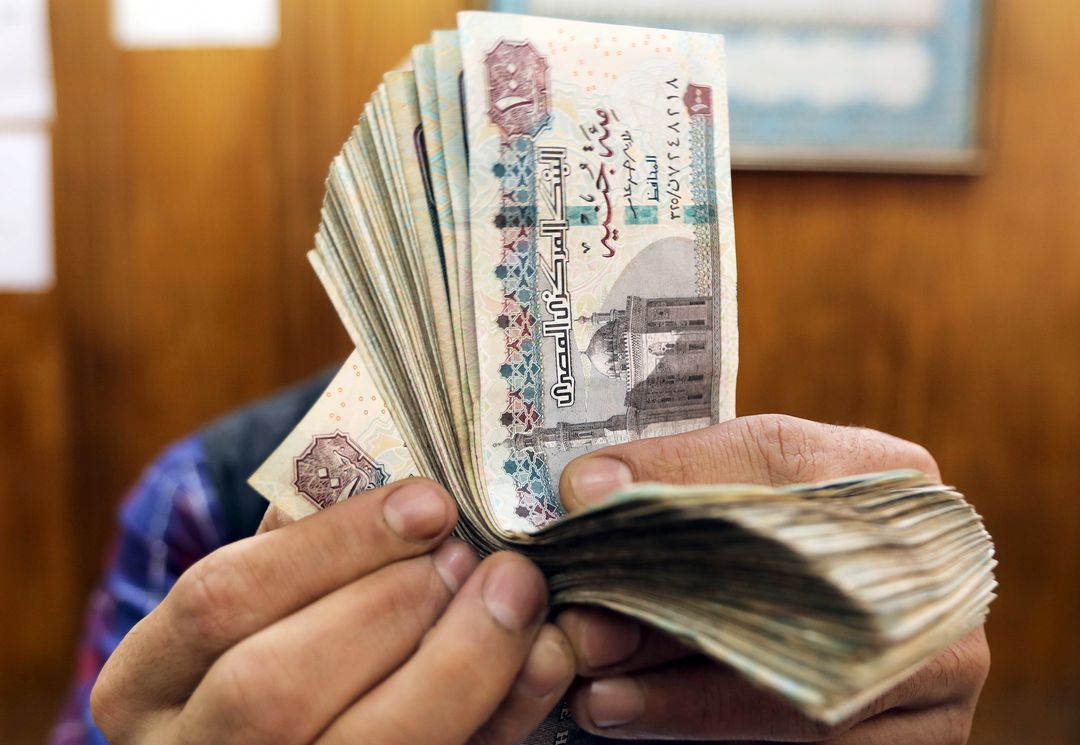
Every month now, when the electric bill arrives, or a grocery trip ends with a heavier total than expected, many Egyptians pause out of necessity. What used to be manageable monthly routines, from filling a car tank to paying a gym membership, now require calculation, restraint, and in many cases, sacrifice.
“I had to cut my monthly shopping budget in half,” Ahmed Hassan, a 28-year-old financial support manager, told Egyptian Streets. With modest comforts such as eating out or buying clothes having shrunk into luxuries, he cut off lower-priority expenses, like gym supplements and spending on other hobbies.
Electricity, fuel, and food price increases pushed Hassan to dip into savings, but soon he developed a stricter system. He attempted a side job, but found it disrupted his life balance and eventually abandoned the effort. Still, he said he remains on the lookout for additional income sources, while “holding onto cost-cutting” as a buffer against future uncertainty.
Toqa Mohamed, a 29-year-old graphic designer, shops only during sales and avoids personal purchases altogether.
“I used to buy something for myself every month,” she said. “Now I don’t have a surplus to afford to. Everything is so expensive now.”
According to a 2024 survey by PricewaterhouseCoopers (PwC), a multinational professional services network in London, 67 percent of Egyptian consumers named inflation their top concern.
Though inflation has cooled from its 2023 peak of nearly 38 percent, data show that essential goods and services remain costly. In October 2025 alone, food and beverage prices climbed by 1.3 percent, contributing to a monthly Consumer Price Index (CPI) increase, according to the Central Agency for Public Mobilization and Statistics (CAPMAS).
“My salary is just enough to pay for my rent, utilities, food, and daily expenses,” Fatma Ibrahim, a 30-year-old product knowledge trainer, told Egyptian Streets. Her days are mostly spent at work, and during the weekends, she tries to unwind and spend time with her family and friends.
“In these circumstances, I doubt that I can do anything I want to do for myself, be it buy a car, put an apartment down payment, or even travel abroad for a vacation,” she shared. Day after day, she feels trapped working to merely cover her job and basic living expenses.
As food, utilities, and other essentials rise steadily, claiming the lion’s share of many family incomes, Hassan identifies food, housing-related costs, and car insurance as the biggest burdens on his monthly budget.
“Car and pet expenses have become my biggest burdens,” Mohamed shared the same sentiment, noting that once-ordinary responsibilities have become luxuries.
“Before I buy anything now, I have to calculate how badly I need it. Even filling up my car with fuel sometimes feels like a luxury I can’t justify,” she said.
With inflation still hovering in double digits and household budgets squeezed thin, Egyptians are rethinking daily trade-offs. The pressure, navigated in quiet austerity, growing debt, and mounting anxiety over an economic future that no longer feels predictable, has pushed some to turn to debt or loans.
“I recently took out a loan to buy a car, hoping to convert it into a source of income by working rideshare in the evenings, maybe,” Hassan said, noting that taking loans has become a normal part of life right now to afford larger purchases.
Loans fill gaps between shrinking budgets and mounting bills. However, the stress that comes with it is surmountable, he expressed.
“Missing even a single payment can damage your credit file and limit future borrowing options,” he expressed. “Banks become a source of pressure.”
Mohamed felt similarly, having a credit card and a car loan. She said, “It’s horrible. It takes a huge sum of my monthly income, and I am paying for 150 percent of the loan.”
With interest rates at record highs, debt is a growing burden shaping daily life, rather than a financial instrument. Ibrahim expressed frustration using financial installment applications, such as Valu, Forsa, and Halan, just to afford a new laptop or phone.
“Getting a credit limit on these apps is easy and helps cover purchases beyond my monthly salary,” she shared. “Occasionally, zero percent interest deals come in handy.”
However, with life’s demands, rising prices, and emergencies, these applications provide quick relief that can later become too expensive to repay, starting a cycle of borrowing, according to Ibrahim.
The pressure can also take a toll on mental health. Hassan has had nights of overthinking, anxiety, and trouble sleeping, worried about balancing financial survival and the need for a stable, balanced life.
“My anxiety has been getting worse,” Mohamed told Egyptian Streets. “I feel like my job is my lifeline now, and I can’t risk losing it, even by suggesting alternative business strategies that might make my boss think I am challenging him.”
“My options feel so limited. I am always feeling behind, and that I have to work more and harder to maintain my lifestyle,” she continued, hoping that prices would one day be stable, and salaries would at least cover the basics. To her, the only solution is to spend within her means. On the other hand, easier loans, with payments aligned to monthly incomes, could provide meaningful relief for households across Egypt.
“We also need more job opportunities and local manufacturing for all kinds of products to reduce reliance on imports,” she shared.
Hassan argues that more lenient credit terms or restructuring for borrowers could help people use loans responsibly. Despite the strain, he remains cautiously optimistic, saving what he can and watching expenses closely.
As millions of Egyptians adjust, endure, and improvise to survive, Mohamed doubts that the Egyptian pound will regain its power.
“Everything except for gold is losing its value,” she stressed. “The Egyptian Pound feels like Monopoly money nowadays.”




Comments (0)