


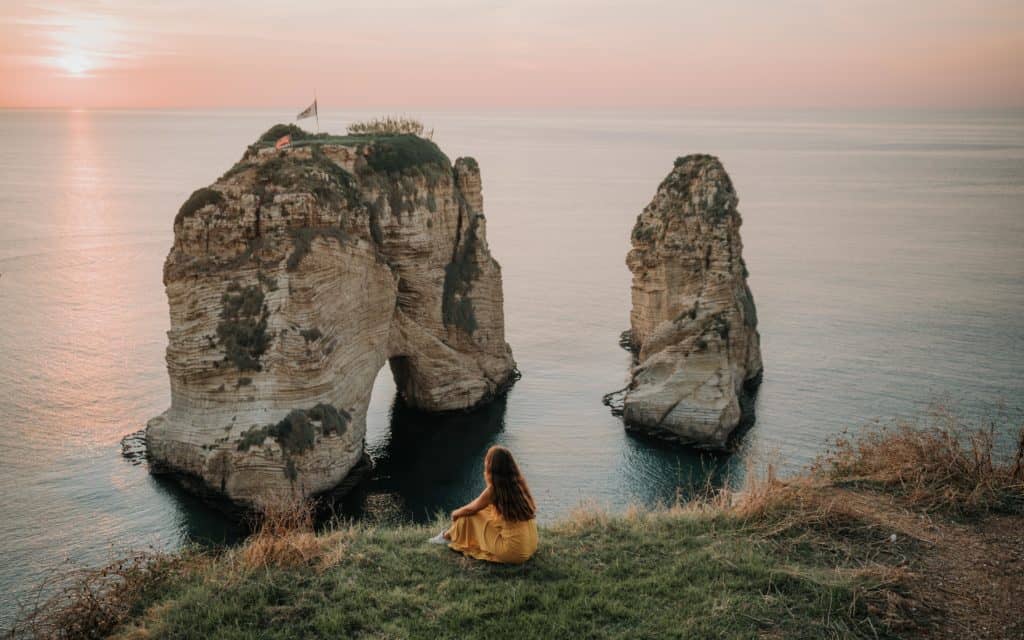
We rarely remember entire stories. We remember small moments that, on their own, can feel complete.
Memories appear like brief, scattered clips of video, arriving without warning. They do not need to connect or form a single story, yet what matters most are the moments that shape these memories, and in turn, shape who we are.
It is the small, fleeting moments that tend to shape us and shape our countries. Moments we catch online, on TV, or hear in passing, through conversations and headlines. The moments the world witnessed during the fall of the Berlin Wall in 1989, or the inauguration of Egypt’s second Suez Canal, marked by a ceremony that became ingrained in the memory of every Egyptian.
And even though these moments might never reveal the whole story, one instant of witnessing war or violence can wipe out everything that came before it. It can erase everything that was once part of a person’s or a nation’s identity.
The Arab world has, in the past few years, been shaped by these moments. Moments of violence, of war, of suffering, and of hardship often spread across online spaces and through all media channels. Moments of hatred and moments of anger. And above all, moments of hopelessness.
Ironically, the very moments of war meant to define the Arab world have, instead, become the moments that shaped its people. The moments of grief have transformed into moments of purpose and empathy, where the simple act of feeling for one another, caring for one another, and embracing the depth of the human experience have become our own weapons for survival.
They are the kind of weapons that often go unseen in the shadow of more deadly ones, yet they are the very weapons that leave a far deeper impact on the hearts of people. It only takes a single deadly weapon to destroy lands and lives, to shatter economies and hopes. Yet, it only takes a single weapon of compassion to bring people together, to lift one another, breaking the very spirit that the other weapon sought to crush.
In just a week, there have been moments of mutual support that far surpass the moments of war; moments where solidarity collectives have blossomed among the people, uniting them in support. From the Lebanon Solidarity Collective distributing mutual aid to organizing community kitchens that feed families during Ramadan, these small, tender acts are the forces that, with incredible strength, heal the hearts of the people in the region.
In the cracks between the stories of war, there were also stories of remembering the beauty of the region and its culture. Beauty emerged from those very cracks, reclaiming space through nostalgia, memory, and love, where people hold dear the “brief” moments: a mother’s tender love for her children, a family’s unbreakable bond, or the unexpected connection between two strangers that surfaces in times of solidarity.
Even a single WhatsApp message to someone you have not spoken to in years becomes one of the millions of fleeting moments of beauty, moments that may not make it to international headlines, but undeniably exist.
As one social media user recently put it so beautifully on Instagram, “I would choose nothing else but to be born Lebanese, again and again, in each and every lifetime.”
In the end, it is these moments, alongside the moments of hardship, that bring together a true, full story; a story that understands the coexistence of both realities and how that duality strengthens one’s identity and sense of belonging to a nation.
It’s the realization that, at our core, we are also shaped by beauty, not just by war.
Any viewpoints expressed in this article are exclusively those of the author. To submit an opinion article, please email [email protected].


Comments (0)