


By Sophie Spigno
I arrived in Egypt in March 2025, travelling to Alexandria to spend Ramadan with my closest friend and her family. It was early morning in Cairo, the sky still a pale, washed-out blue, when I climbed into a taxi after a long overnight flight. The streets were almost silent. The driver adjusted his mirror and, in the reflection, I caught myself: dishevelled, half-asleep, yet unexpectedly calm.
Then the first notes of the adhan rose across the city. Clear, steady, and unhurried, they shifted the atmosphere, as if giving the morning its purpose. Before I could fully absorb it, the driver reached into the console and handed me a cold bottle of water, insisting I drink. My friend beside me, fasting, quietly pushed a snack into my hand. Both were beginning a day without food or water, yet their first instinct was to make sure I had something after travelling.
It was a small gesture, but it captured something deeply Egyptian: generosity offered without hesitation, even from what one is abstaining from. In that taxi at dawn, I understood why Ramadan here feels so communal. Hospitality is not performative. It is natural.
A few hours later, when I arrived in Alexandria, the familiarity felt immediate. I have visited Alexandria several times while staying with my friend’s family. The baladi bread cart stood in its usual place. The porter looked up with a warm smile and repeated the joke he had told my friend since she was a child.
One ritual I strongly associate with Egypt is stepping into the lift of my friend’s family building in Alexandria and hearing Qur’anic recitation playing softly. With the door closing and the recitation rising quietly, it has come to feel like a welcome-back embrace.
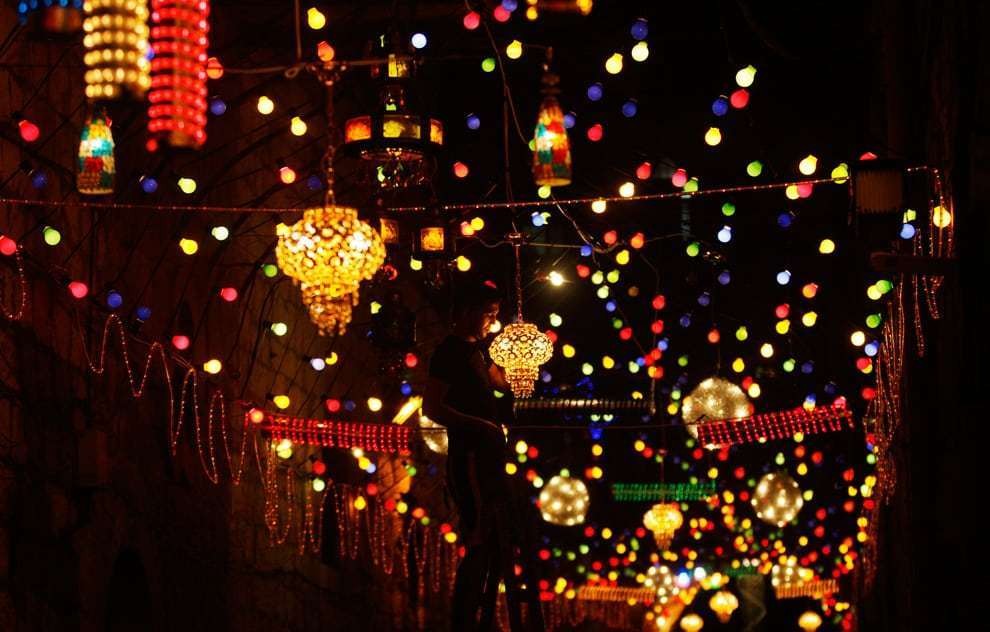
Inside the apartment, the household was still asleep. I greeted the five cats wandering across the flat before joining the family. By the afternoon, the city outside had transformed. Alexandria in mid-Ramadan feels like a different place entirely: decorations strung between balconies, lanterns lit, children’s laughter spiralling up stairwells. A shared anticipation settles over every street.
Inside my friend’s home, Ramadan softened the atmosphere in the same way. There were table mats used only during Ramadan, and special cutlery marked the season. Her mother moved through the kitchen with the calm assurance of someone who has prepared for Ramadan many times before. The warmth of the household made me feel less like a guest and more like a daughter.
As maghrib approached, my friend and her sister each handed me a date. We sat together waiting for the adhan. When it began, the room seemed to pause. Breaking our fast together, they were well into the month, and me only a few days in, carried a weight I had not expected. The sweetness of the date after so many hours felt like a reminder of patience. The first sip of water was euphoric.
It was not a large iftar that night. There was no extended family and no crowd. Yet the simplicity of that moment is what I remember most clearly. Later in the month, there were larger gatherings, with neighbours stopping by and cousins appearing unannounced, but it is that first quiet iftar that remains with me. It revealed the heart of Ramadan in Egypt: generosity that expects nothing in return.
What surprised me most was the rhythm of the nights. I have always thought of Egypt as the country that does not sleep, but Ramadan makes this especially visible. My friend and I often wandered the streets at 3 or 4 a.m. Families walked together. Cafés stayed open and glowing. Laughter travelled easily between groups. Suhoor meals at crowded tables with plates of foul and falafel became one of my favourite rituals.
The days were quieter. Much of the time was spent at home, resting, watching television, and letting the hours pass.
As Ramadan approached its final days, the excitement grew. This year brought an unexpected extra day of fasting after a moonsighting difference. Some welcomed it, others accepted it reluctantly, but for me, it felt like a gift. Arriving late in the month had made every day feel precious, and that additional day became one more opportunity to feel part of something larger than myself.
What stayed with me most were the small gestures: Qur’anic recitations drifting from the kitchen, cups of shay shared after midnight, families waiting together for maghrib, neighbours greeting one another with ease. These ordinary moments created a sense of belonging I had never experienced elsewhere.
By contrast, my experience of fasting during the first days of Ramadan in the UK felt isolating. I had chosen to fast in the days before travelling to Egypt, partly to support my friends who would be observing the month and partly out of curiosity as someone studying Arabic and its cultural context. Waking before dawn alone in student accommodation and breaking my fast without anyone beside me made the difference unmistakable. Egypt revealed Ramadan as generous, shared, and alive.
As I prepare for my upcoming year abroad in Egypt, I find myself hoping to spend Ramadan there again. The month taught me something lasting: belonging is not always inherited. Sometimes it is given quietly, through food offered and doors opened.
That was the hospitality I was fortunate enough to experience in Umm al-Dunya, and it is the sense of home I will carry with me still.



Comments (0)