


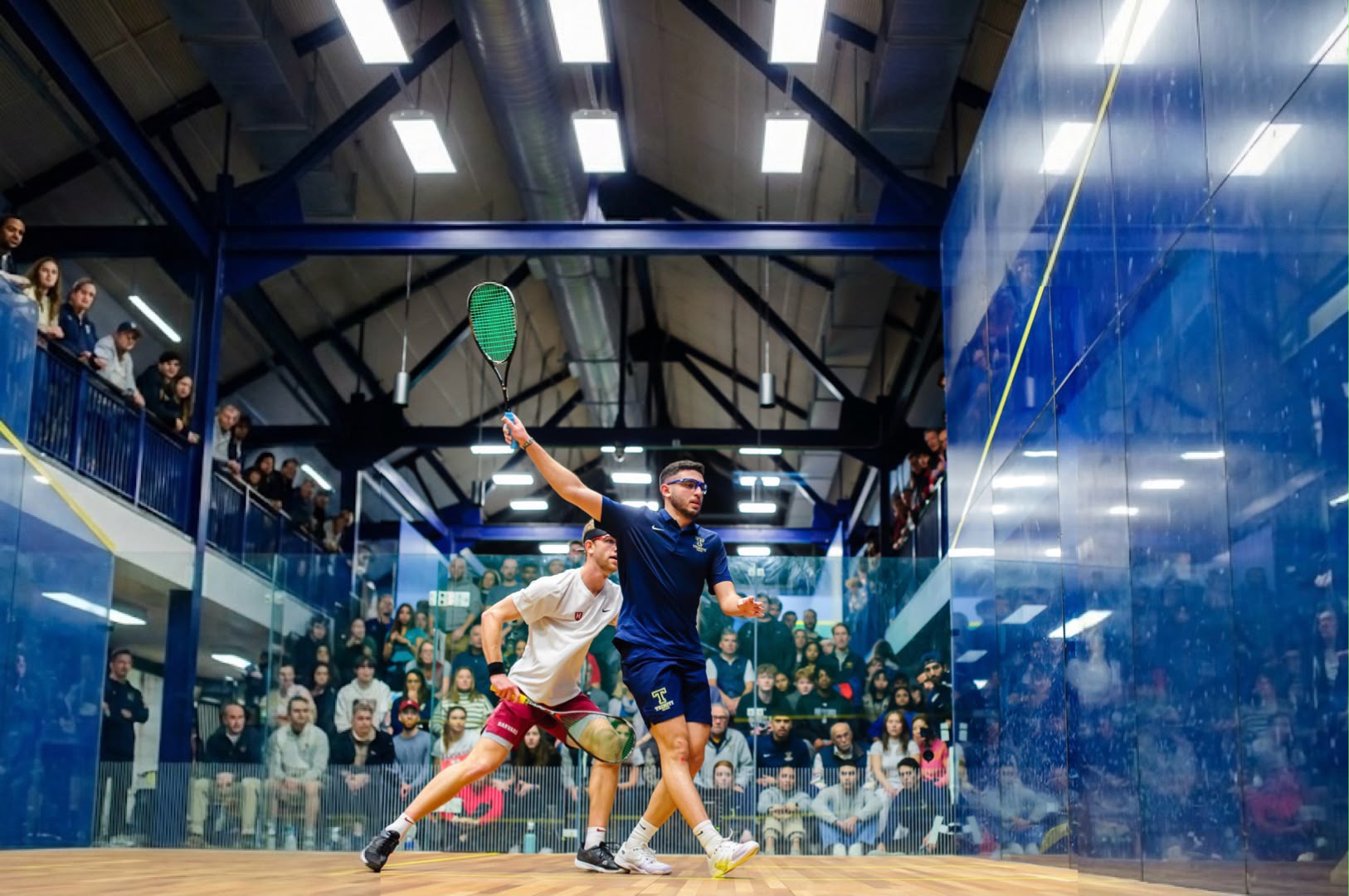
For squash coaches, keeping track of your players’ mistakes can turn into a tedious second job. You can write them down, but soon enough that stops being useful and starts being exhausting. So what’s the solution? A bunch of professional and ex-squash players living abroad in the U.S. came up with it in one word: Core.
Core started with its founders hunched over footage of squash matches, tracking shots, movement, and patterns the way professionals do when they are trying to turn raw games into useful truth.
For Co-founder & Chief Marketing Officer and world number 164 Abdelrahman Nassar, the purpose was always clear: “Core started because I wanted every player to understand their game the same way professionals do. Technology simply became the best way to make that possible.”
The platform officially launched on 1 May 2026, and momentum is building, with the mission remaining sharp and simple.
“As both a professional player and a coach, I experienced firsthand how valuable detailed match analysis could be, but I also saw how inaccessible and time-consuming it was,” Nassar says.
The insights were real, the value was obvious, but the process took hours, cost money, and did not scale. In other words, the best analysis was stuck behind the same wall it was meant to break.
The turning point was admitting the hard truth that coaching brilliance can not depend on manual hours forever. When Nassar realized that analyzing every match meant more time, more cost, and less access for most players, the question became whether Artificial Intelligence (AI) could automate analysis without sacrificing what made the feedback useful.
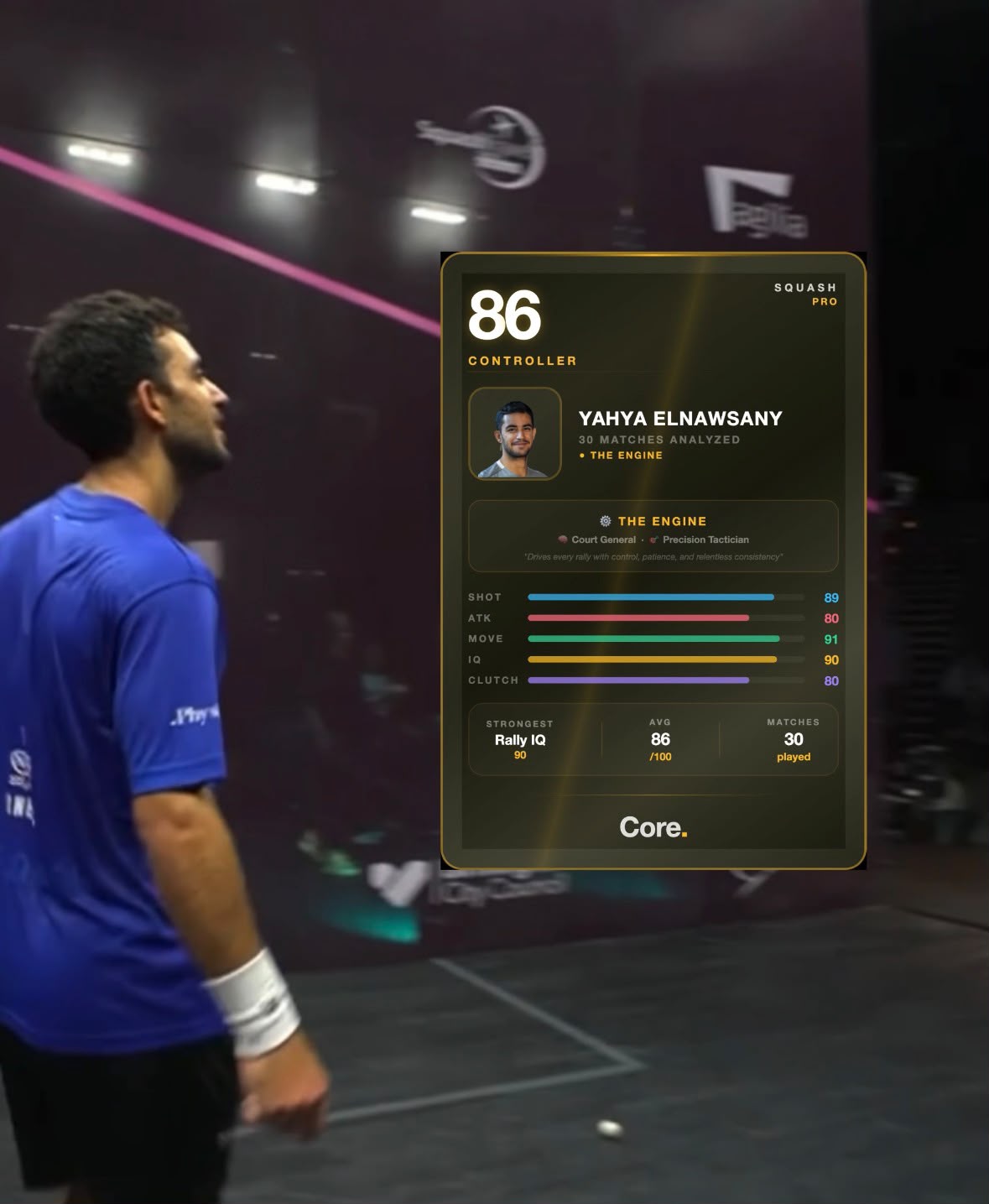
That’s where Co-founder & Chief Executive Officer Ziad Sakr entered the story, not with a copy of the same problem, but with the tools to solve it.
“Our goal wasn’t just to automate reports. It was to build AI that coaches and athletes can genuinely trust to make better decisions,” Sakr explains.
He had been working on AI and computer-vision systems aimed at automating the analysis process, while Nassar brought the athlete-and-coach perspective that determined which insights actually mattered.
When they reconnected, they fused two worlds.
“We’re building much more than automated reports,” Sakr says, “Our goal is to create the first digital twin technology in sports; a system that continuously learns from every match and helps athletes understand themselves better over time.”
That is the difference Core is chasing: not a one-off summary, but a continuously evolving model of how a player performs, adapts, and improves.
Nassar echoes the same philosophy with a boundary that keeps Core grounded in sport, not hype. He says, “We’re not trying to replace coaches. We’re giving them better information so they can spend less time analyzing and more time coaching.”
Then Co-founder & Chief Financial Officer Taha Dinana joined and made sure the vision could survive the real world.
“Coming from both squash and finance, I immediately saw the opportunity to build something that could genuinely change sport while also becoming a sustainable global business,” Dinana says.
“What excited me most was the opportunity to make elite-level performance analysis available to every athlete, regardless of where they train or who coaches them,” Nassar says, while Dinana frames the bigger challenge even more directly.
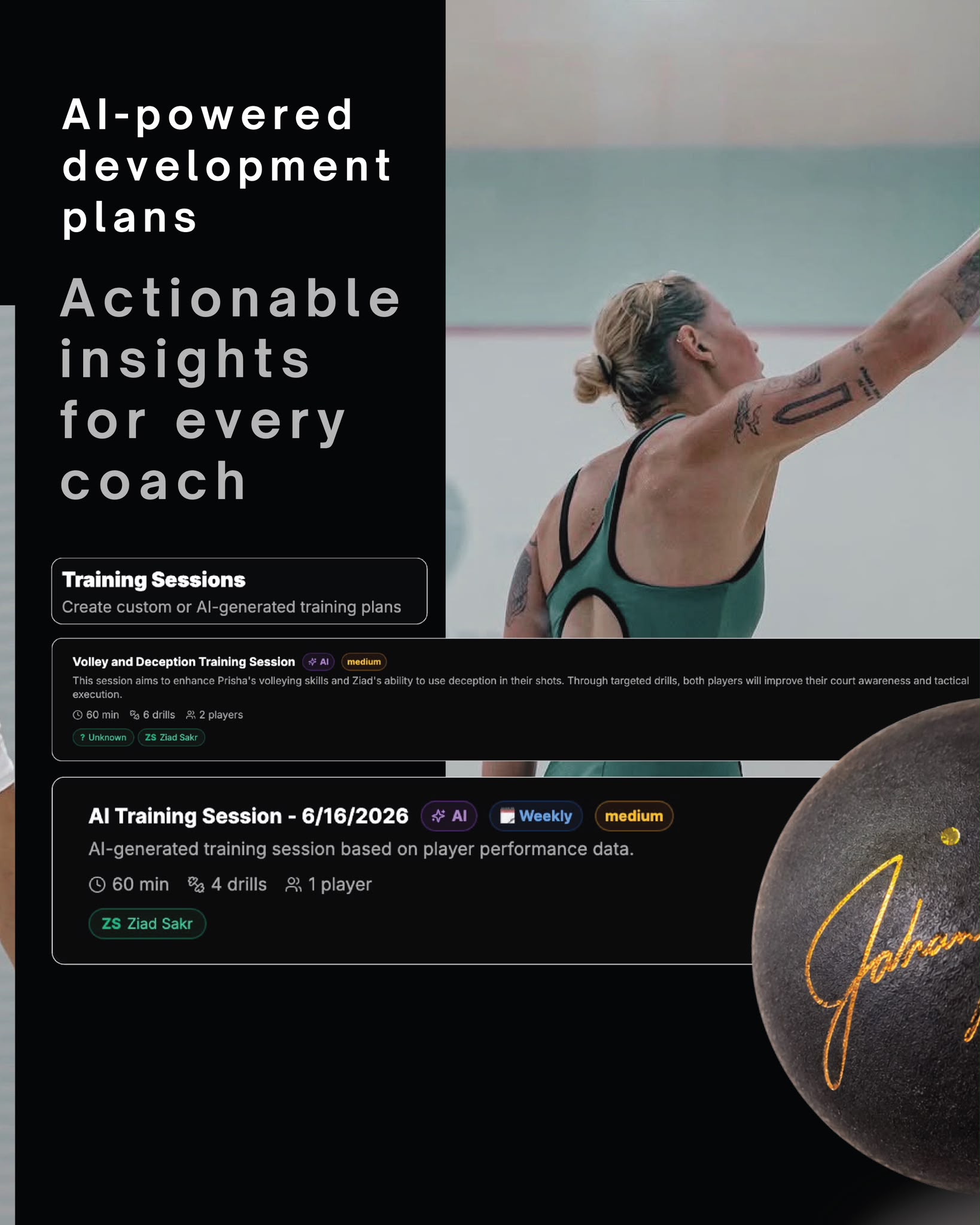
Core’s most distinctive claim is also its most concrete one, which is that it is the first fully automated squash analysis platform. Instead of taking days or requiring a coach to manually watch every rally, Core delivers detailed insights in roughly 30 minutes to an hour, with no human intervention.
That speed changes how feedback can actually be used. And it explains why their biggest struggle was not technology. It was convincing people that fully automated analysis was possible when there was no real category to compare to.
So, they validated through action, not assumptions. They launched a beta with their first 35 users and partnered with eight squash academies in the U.S., using real-world feedback to prove they were not building “interesting” tech; instead, they were building something athletes and coaches would need and rely on.


Comments (0)