


South Korea presents travellers with a striking blend of deep-rooted tradition and modern dynamism. From royal palaces and Buddhist temples to bustling markets and contemporary art spaces, the country offers cultural experiences that feel both historic and alive. For Egyptian travellers in particular, the appeal often lies in the contrast. A society that has preserved centuries-old customs while advancing rapidly into the future offers a perspective that feels both unfamiliar and relatable. As with visiting Egypt’s own historic sites, thoughtful preparation and cultural awareness can transform sightseeing into a far more meaningful journey.
Royal Palaces and Living History
South Korea’s historic palaces are among the most immediate introductions to its heritage. Ornate gates, expansive courtyards, and carefully preserved structures reveal centuries of royal history and architectural craftsmanship. If travellers carry an esim for South Korea, they can access maps, translations, and historical context in real time while navigating these vast sites.
Guided tours often explain dynastic traditions, ceremonial rituals, and the symbolism embedded in architectural details. Observing royal guards in traditional dress or witnessing cultural performances within palace grounds adds depth to the visit. For Egyptians accustomed to exploring sites like Luxor or Salah El-Din Citadel, this experience carries a familiar sense of walking through living history shaped by generations.
Wearing Hanbok and Stepping Into Tradition
Wearing a hanbok, the traditional Korean dress, adds another dimension to cultural exploration. Rental shops across major cities assist visitors in choosing colours and patterns that balance authenticity with comfort. Walking through palace grounds or historic streets in traditional attire creates a stronger sense of immersion.
Learning about the symbolism behind hanbok designs reveals how clothing reflects social values and history. Much like traditional Egyptian garments worn during cultural celebrations, the hanbok is more than attire; it is a storytelling piece that connects present-day visitors to centuries of tradition.
Markets, Food, and Everyday Life
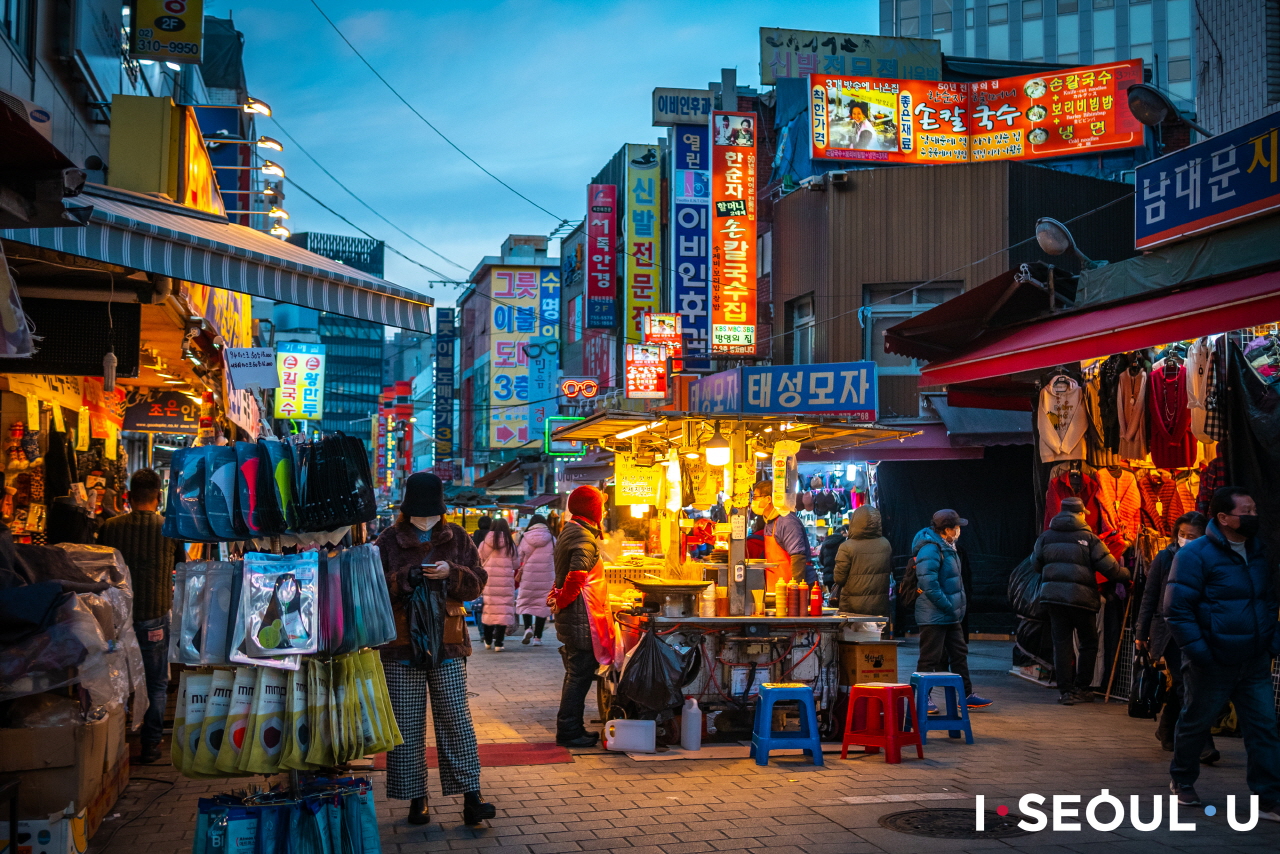
Street markets such as Gwangjang and Namdaemun offer an energetic glimpse into daily life. Vendors selling handmade goods, traditional clothing, and local foods create an atmosphere rich with sound, colour, and aroma. Sampling street food and observing interactions between sellers and customers provides cultural insight that guidebooks often miss.
For Egyptian travellers familiar with the rhythm of Khan El Khalili or local souqs, these markets feel instantly relatable while still distinctly Korean. They highlight how commerce, food, and community remain central to cultural identity.
Temples and Quiet Reflection
In contrast to the energy of the markets, South Korea’s Buddhist temples offer spaces of calm reflection. Often situated near urban centres, these temples provide a peaceful retreat defined by courtyards, gardens, statues, and spiritual rituals. Visitors can observe monks during ceremonies and learn how spiritual traditions continue to shape daily life.
Optional tea ceremonies or meditation sessions provide deeper insight into how architecture, nature, and spirituality come together. This quiet contemplation often resonates with travellers who appreciate visiting Egypt’s mosques, churches, and monasteries for similar moments of reflection.
Contemporary Culture and Artistic Expression
South Korea’s museums and galleries reveal how tradition influences modern creativity. Exhibits often blend historical artefacts with contemporary works that explore social themes and artistic innovation. Visitors gain perspective on how a society balances heritage with rapid modernisation.
Art centres and cultural spaces encourage dialogue and reflection, offering insight into how identity continues to evolve. This interplay between past and present is something many Egyptian travellers recognise in their own cities.
Preserved Villages and Historical Lifestyles
Traditional hanok villages preserve architecture, crafts, and community structures from earlier eras. Walking through these areas offers a glimpse into how people once lived and how some traditions remain intact today. Engaging with artisans, tasting homemade food, and observing daily routines highlights a slower, more intimate side of Korean culture.
These villages contrast with modern cityscapes and emphasise the importance of preserving heritage amid change, a theme that strongly resonates with visitors from Egypt.
A Connected and Immersive Journey
A journey through South Korea rewards travellers who remain attentive and curious. Palaces, temples, markets, performances, museums, and villages each reveal different layers of the country’s identity. If travellers carry an esim for south korea, they can stay connected while navigating these diverse cultural experiences and accessing helpful information throughout their trip.
For Egyptian travellers, South Korea offers a compelling opportunity to explore a culture that values history, community, and tradition while embracing modern life. Experiencing these highlights allows visitors to appreciate the depth, artistry, and continuity that define the country today.



Comments (0)