


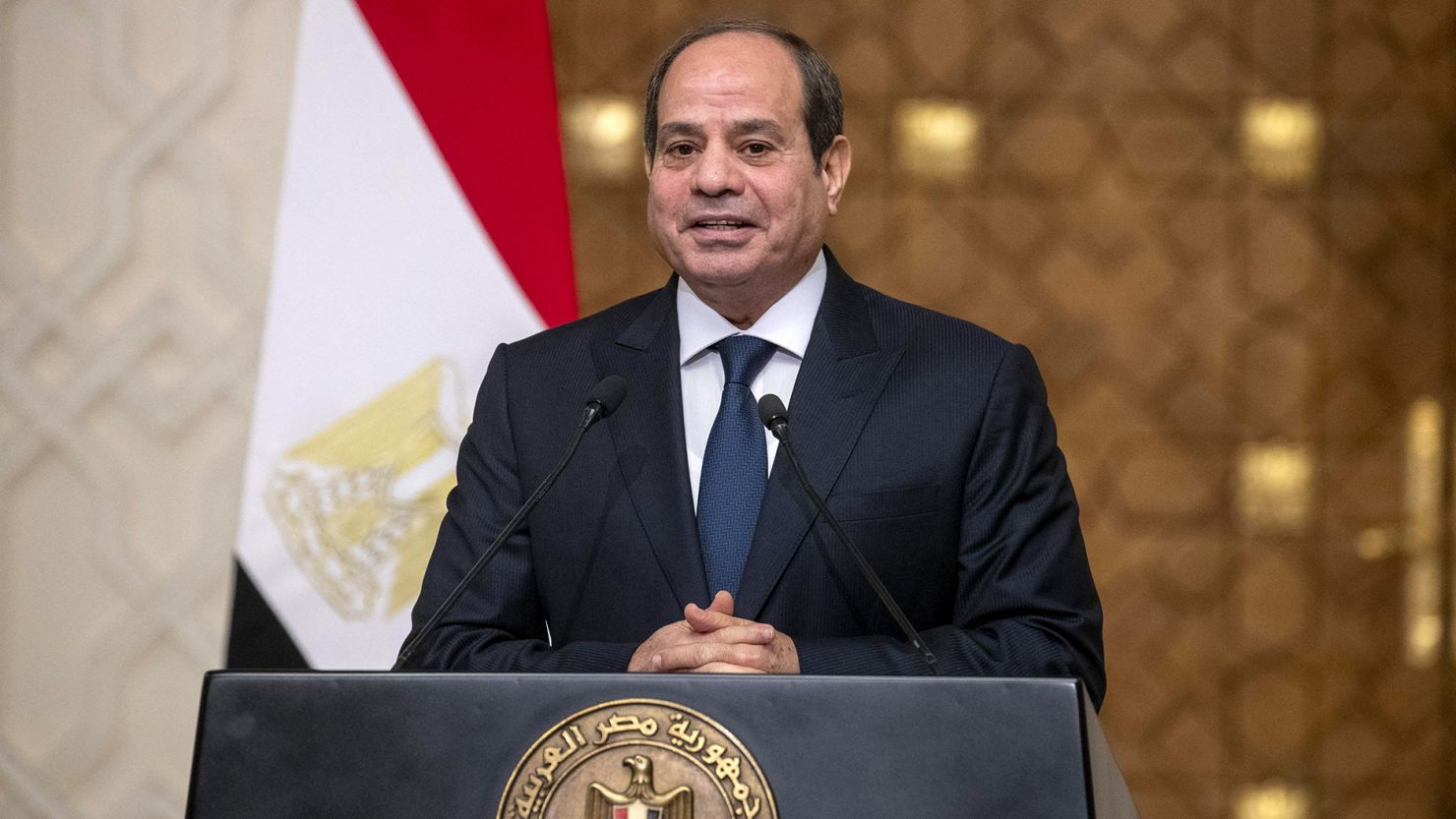
Egyptian President Abdel Fattah el‑Sisi has instructed authorities to examine the possibility of referring individuals who manipulate prices to military courts, warning against exploiting the current regional situation to raise costs for consumers.
The remarks came during a Ramadan iftar event hosted by the Egyptian Military Academy, attended by Prime Minister Mostafa Madbouly, senior military leaders, ministers, media figures, and students from military colleges.
During his speech, Sisi addressed the ongoing tensions and conflict in the Middle East, saying Egypt had worked to prevent escalation because wars bring “destruction, devastation, and harm to the interests and capabilities of peoples.” He added that Cairo continues efforts to mediate and stop the fighting, warning that a prolonged conflict would come with a “heavy cost.”
The president also acknowledged that the regional crisis could have economic consequences, including potential impacts on prices in Egypt. He urged citizens to remain responsible and rely on an informed understanding of the situation.
Sisi stressed that authorities must ensure that traders or businesses do not exploit the current circumstances to manipulate or inflate prices of essential goods. He said the government is studying legal measures, including the possibility of referring violators to military courts, noting that the country is facing conditions resembling a “state of emergency.”
Global Economic Ripple Effects
Military escalation in the region has increased uncertainty in global energy markets because of risks to key oil transit routes such as the Strait of Hormuz, through which about one-fifth of the world’s oil normally passes. Any disruption to the corridor could drive energy prices sharply higher and fuel inflation globally.
Oil prices have already risen amid fears of supply disruptions, while tanker shipping costs and insurance premiums for vessels operating in the region have surged.
Financial markets have also become more volatile. The U.S. dollar strengthened as investors sought safe-haven assets amid rising geopolitical risks and higher energy prices.
Economists warn that prolonged instability in the Middle East could trigger a new wave of global inflation and slow economic growth if oil supplies are disrupted or shipping lanes remain unsafe.




Comments (0)