


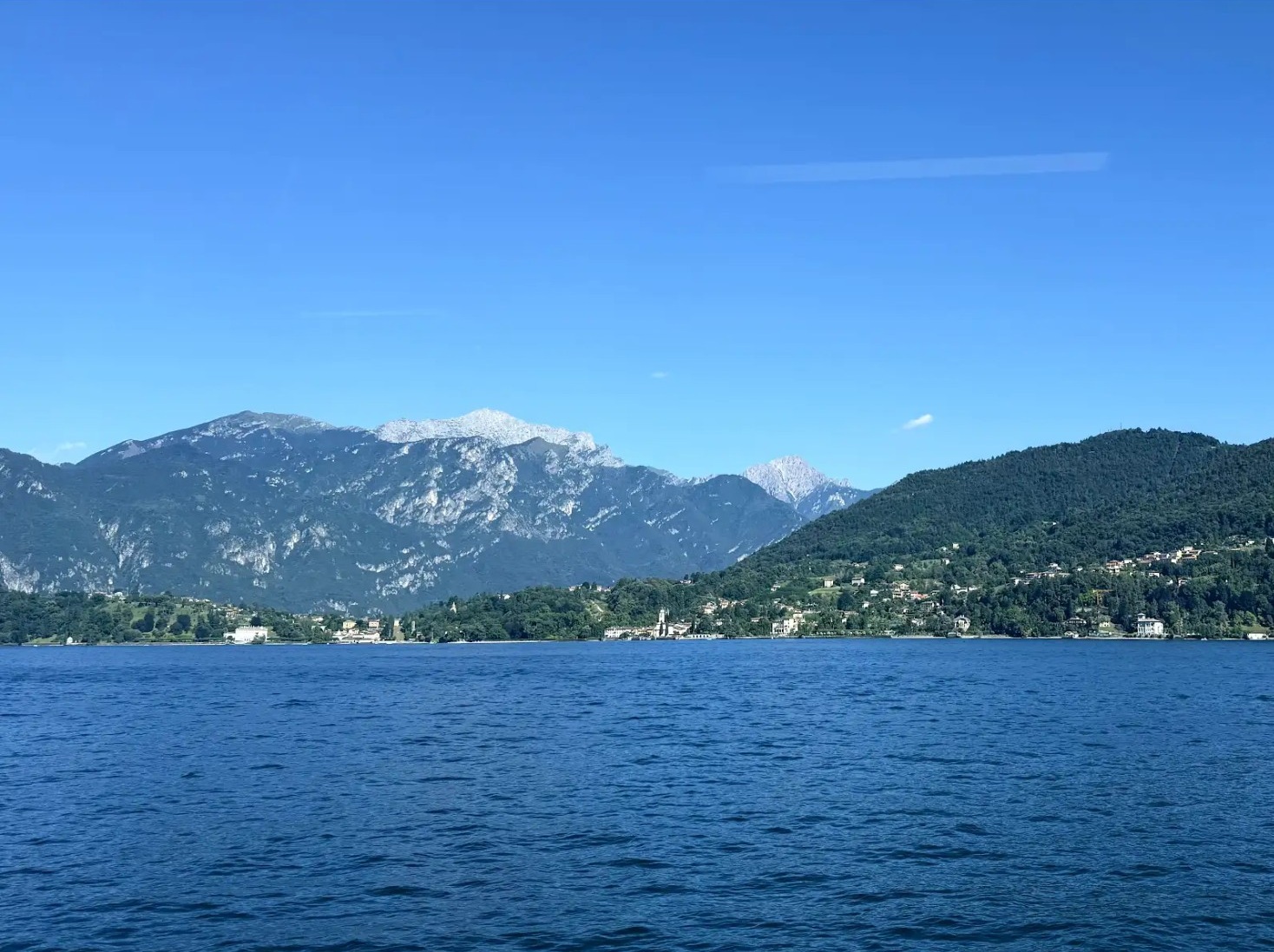
It seems that in Tagamoa, the fifth settlement, New Cairo, you can travel anywhere you like. Fancy an idyllic English escape? Try Hyde Park or the Lake District for lush greenery and the quintessential English countryside. Craving a mountainous landscape? There is Bellagio, a townhouse complex in New Cairo named after the Italian town on Lake Como, decorated with red and orange villas on stunning alpine slopes. Yearning for a Spanish vista? Mivida awaits, with its warm sun-drenched tiled roofs and chic balconies overlooking the sea.
In reality, none of these compounds offers anything remotely close to the experiences they evoke. Of course not, we are, after all, in Egypt. What relevance do the landscapes of northern England or the lakes of Italy offer here? Imagine the reverse: a gated community in England called “Pyramids Estate,” or a compound in Italy named “Nile View.” It would seem absurd, even laughable.
Why is it that we feel the need to outsource our sense of place? It is even clearer in the jumbo-sized billboards advertising these compounds. Foreign celebrities are used to lure buyers into the appeal of the cultural capital associated with compound life. For example, Sylvester Stallone advertised for South Med, and Will Smith for Il Monte Galala. Interest in these advertised gated communities is reflected in the rapid expansion of compound developments, with rising demand driving sales. For example, in the first quarter of 2025, Egypt’s top 10 developers reported EGP 290 billion (USD 5.9 billion) in sales.
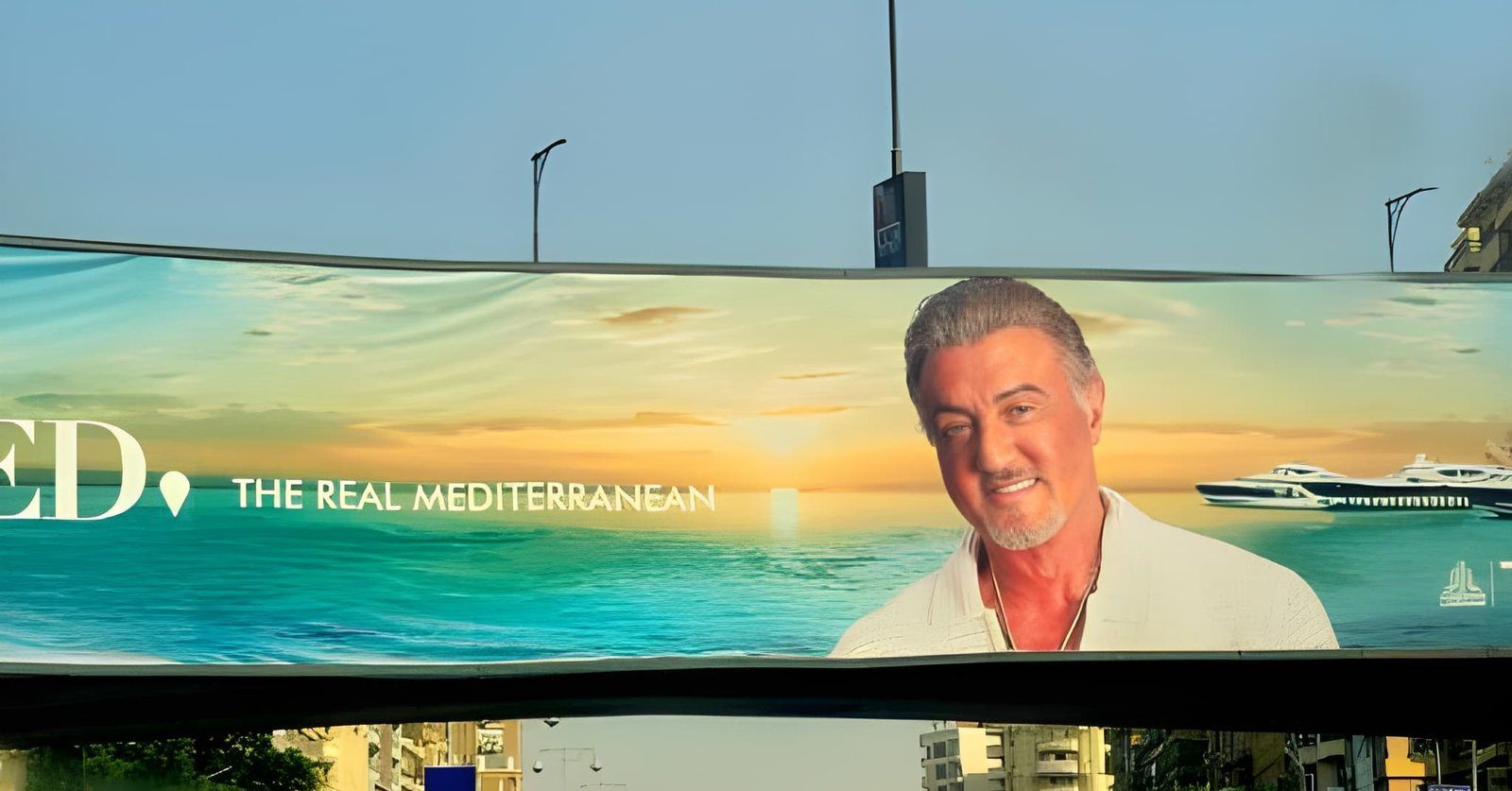
At best, these advertisements are poorly executed marketing strategies. At worst, they raise questions explored by Edward Said in his book Orientalism (1978), particularly regarding the enduring cultural authority of the West in formerly colonised societies. While Said primarily examined how the West constructed the Orient as inferior, the popularity of foreign actors and linguistically foreign compound names suggests that Western symbols of status may still carry significant cultural capital within the Egyptian bourgeoisie. The appeal of Hyde Park or Regents Park may therefore reflect broader aspirations linked to status and perceived prestige.
Yet, this trend is not common to every Egyptian compound. Other compounds like Rehab, Dyar, and Madinaty in New Cairo convey a sense of confidence in Egypt’s own cultural tradition, rather than desperately borrowing foreign ones. Similarly, developments like Novara centre chose Egyptian stars, like Mohamed Mounir, to be the face of their advertisements. Although these compounds still conform to the same format of exclusive gated-community living, at minimum, their names are drawn from the Arabic language. So, when these places are referred to in conversation, they sound notably more relevant compared to the linguistically and culturally incongruous Beverly Hills or Swan Lake.
Indeed, one may argue that the influence of Western culture on Egypt’s urban fabric is not new, with European architecture ordaining the streets of Zamalek and Heliopolis. However, these older neighbourhoods are built up of public streets, mixed urban districts, and have historically evolved to incorporate different cultural influences. In contrast, Tagamoa’s foreignness is explicitly commodified and artificially fabricated, transforming European imagery into the selling point itself. In this attempt to so blatantly market their exclusivity, they become cheap imitations of the West.
Take Mi Vida, a Spanish word that translates to “my life”, a name that feels almost possessive in its promise of a privileged lifestyle only for an elite few. It becomes obvious that compounds like these are carefully curated for a particular class of people who seek a particular way of life. One that is so self-contained that residents boast they never need to leave it. Schools, cafés, and social spaces are all built within their gates, places to socialise with those who share the same hobbies: the most recent of them being matcha and Pilates. One begins to wonder whether residents of these communities truly share the same interests, or simply the same budget.
In the process, we seem to lose touch with older ways of living, only to repackage and sell them back to ourselves. We rediscover our culture through trendy venues, buying traditional breakfasts and grills from the latest “in” spots. 6901, a restaurant and shop selling clothing and vinyls in Downtown Cairo, founded by Amir Fayo, even turns everyday figures, like the makwagi, an ironer, into curated performances for our consumption. In Maison 69, a retail space for fashion, art, and design in Tagamoa, also founded by Fayo, people can buy what can only be described as “Egyptian merch” – models of old balconies, notepads made of printed banknotes, and tote bags stamped with teen shoki, prickly pear fruit.
It feels as though our lives are so far removed from aspects of our culture that we now need souvenirs to remember them. As if we need to pay to experience parts of our identity that are still alive and all around us.
Perhaps there is nothing inherently wrong with wanting the comfort, convenience, or even the luxury associated with compound life. At the very least, however, we should not advertise the seemingly best living spaces as imitations of European destinations and then buy back our culture at a price too high when we start to feel nostalgic. So, when you pass by another compound promising some dreamy European escape, ask yourself: what exactly are they selling? But more importantly, how willing are you to buy it?
The opinions and ideas expressed in this article are the author’s and do not necessarily reflect the views of Egyptian Streets’ editorial team.
To submit an opinion article, please email [email protected].


Comments (0)