


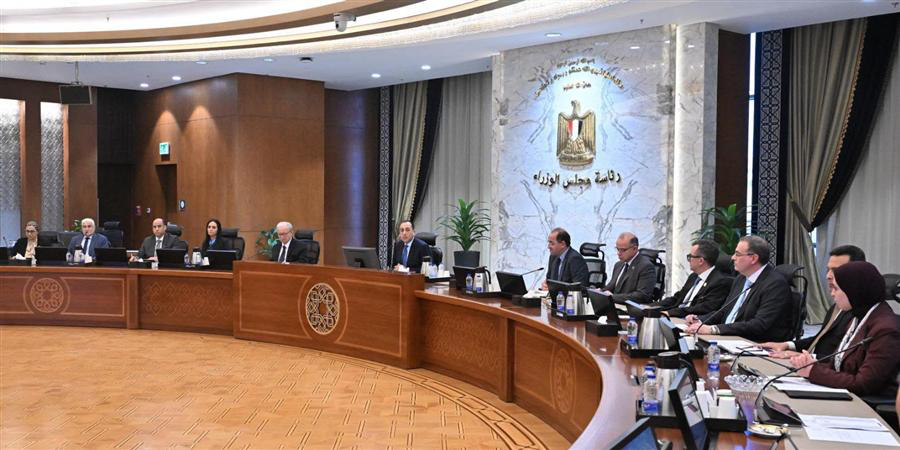
Egypt’s National Wages Council (NWC) approved on 15 November raising the minimum monthly wage for private-sector employees to EGP 8,500, up from EGP 7,000, effective 1 January 2027.
The decision was announced following a meeting of the council chaired by Prime Minister Mostafa Madbouly, as the government seeks to improve workers’ incomes amid ongoing economic pressures.
The increase amounts to EGP 1,500, or approximately 21.4 percent, compared to the previous minimum wage.
The council also approved raising the minimum net hourly wage for workers in temporary and part-time positions to EGP 34.
Additionally, private-sector employees will receive an annual periodic increase starting from the 2027 financial year, according to each establishment’s accounting year. The increase must amount to at least three percent of the employee’s social insurance contribution wage, with a minimum annual increase of EGP 350.
Speaking during the meeting, Madbouly stressed the government’s commitment to ensuring that private-sector businesses comply with minimum wage requirements, noting that the sector employs the largest share of Egypt’s workforce.
He added that the government was working to improve citizens’ incomes in line with directives from President Abdel-Fattah El-Sisi.
Planning and Economic Development Minister Ahmed Rostom presented labour-market figures during the meeting, stating that Egypt’s private sector employed approximately 26.5 million people in 2025, out of around 32 million employed people nationwide.
The country also had nearly four million private-sector establishments, including both formal and informal businesses.
Rostom further reviewed labour-market indicators, highlighting a recovery in economic participation rates in recent years following a decline through 2020. However, he noted that a gap between male and female participation in the workforce persists, despite improvements in women’s employment.
He also pointed to declining unemployment rates among both men and women as an indication of improvements in labour-market performance.
Meanwhile, Finance Minister Ahmed Kouchouk said the government would present proposals for increasing citizens’ incomes over the coming years to reach agreements with private-sector representatives.
Following the meeting, Madbouly tasked a joint working group comprising government officials and private-sector representatives within the National Wages Council with studying proposals to increase wages and improve workers’ incomes across different sectors through 2030.
The meeting was held following the reconstitution of the National Wages Council under Labour Law No. 14 of 2025, which provides for representation from the government, employers’ organisations, and labour organisations.





Comments (0)