


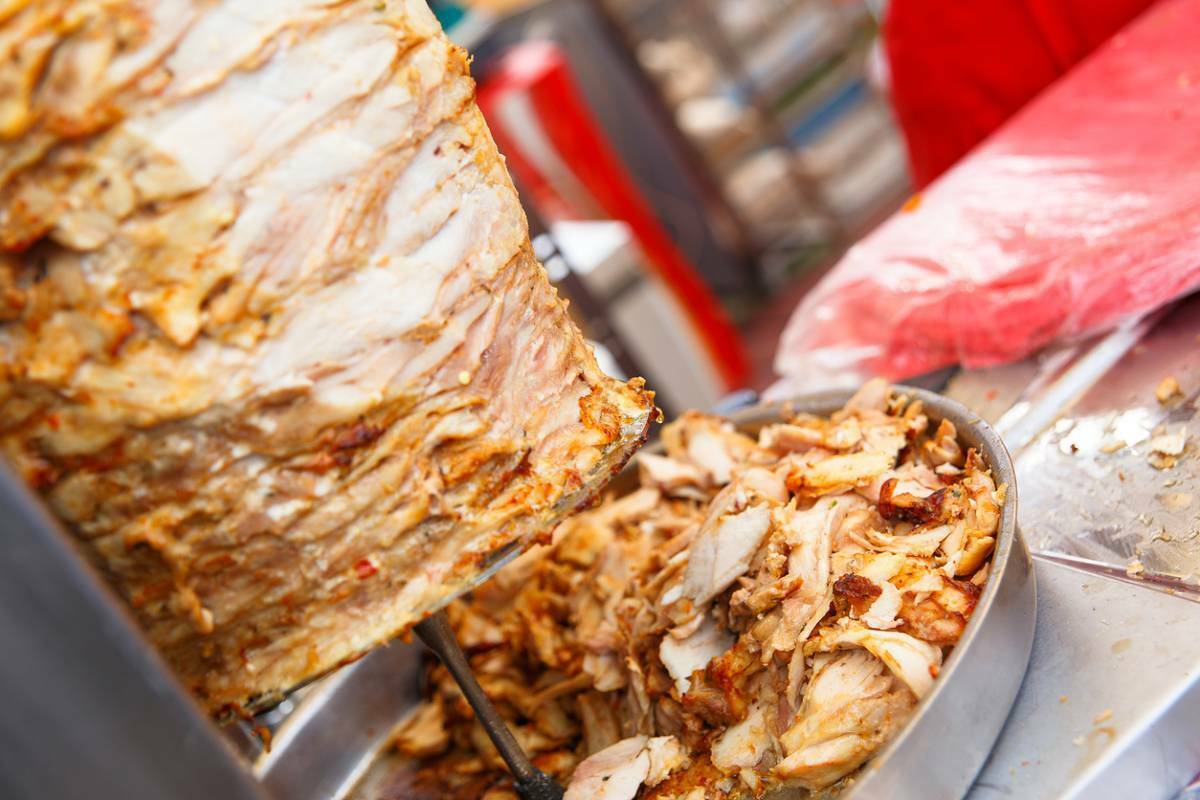
Shawarma, a popular Middle Eastern street food, is enjoyed widely across Egypt. While the dish is beloved everywhere, Egyptian and Syrian styles show subtle differences in preparation, seasoning, and presentation, reflecting their distinct taste and aesthetics.
A Deep Dive into Egyptian Shawarma
Egyptian shawarma features bold flavors from spices such as cumin, coriander, and paprika. Vendors typically use marinated beef, or a beef-and-lamb mix, slicing the meat into thin strips and serving it in Kaiser Bun.
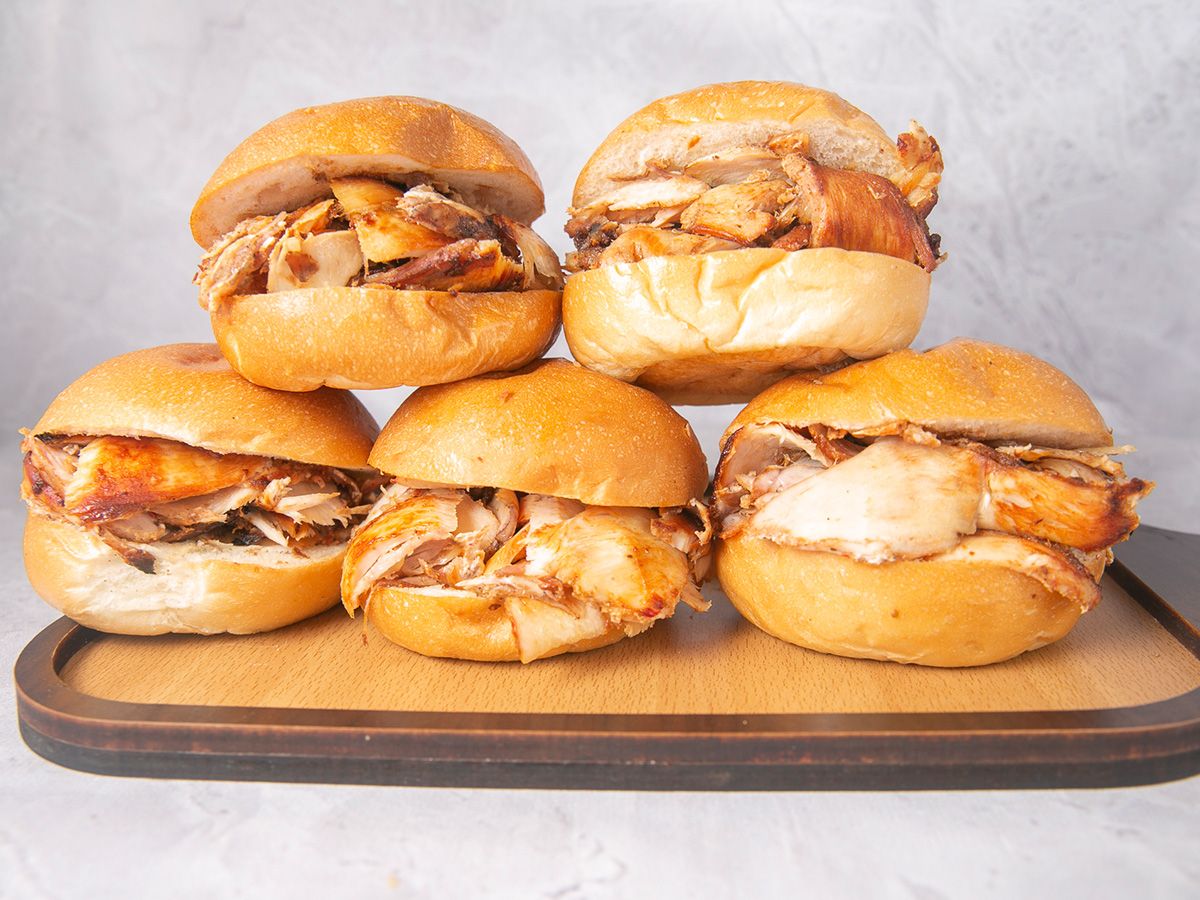
The Egyptian type often includes tahini sauce and vegetables such as tomatoes and peppers. Popular venues like Abou Haidar in Heliopolis, known for its beef shawarma, and Semsema in Dokki, recognized for its fresh bread and portions, both provide the dish.
Exploring the Essence of Syrian Shawarma
Syrian shawarma delivers a distinct culinary style compared to its Egyptian counterpart. Its flavor is shaped by aromatic spices such as cinnamon and clove, giving the chicken or meat a slightly sweeter profile.
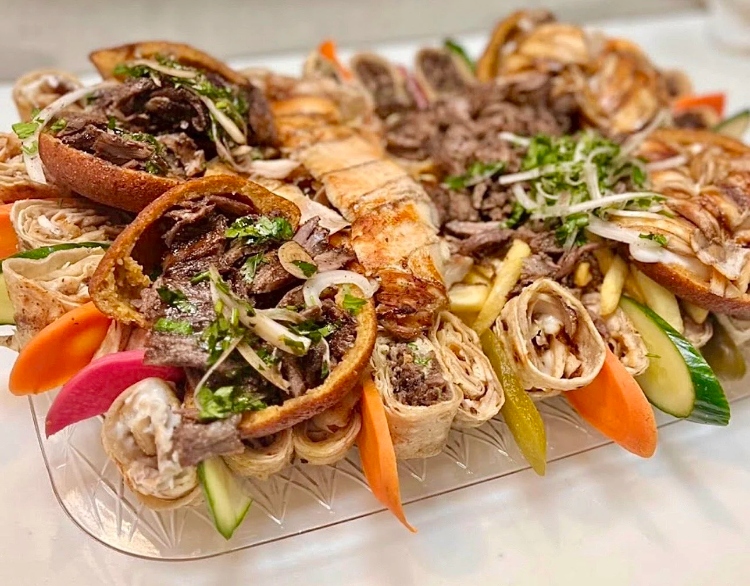
Chicken,beef or lamb are commonly used along with sauces such as garlic or toumeya as well as a touch of lemon juice. Pickled vegetables and, sometimes, fries are also included in the wrap to enhance its texture and flavor. The Syrian style of serving shawarma typically features tightly rolled wraps (thin saj bread or pita bread), making it convenient for on-the-go consumption.
In Egypt, several restaurants have introduced Syrian shawarma to the local food scene. Notable examples include Ibn El Sham in New Cairo, known for its fresh ingredients and consistent flavor, and Abo Mazen El Soury, with locations in Heliopolis, 6th of October City, and Maadi, celebrated for its delectable taste and fast serving pace.
The Economic Side of Shawarma
Shawarma has become a quintessential street food choice in Egypt’s expanding foodservice sector as it showcases the country’s culinary diversity while meeting the increasing consumer demand for quick and flavorful dining options.
Egypt’s foodservice sector, which includes street food, quick-service restaurants, and independent eateries, is a significant part of the broader hospitality and food market. This sector is projected to grow to nearly EGP 560 billion (USD 11.9 billion) by 2026, driven by urban demand, tourism, and consumer interest in diverse dining options.
In contrast, the overall hospitality market in Egypt was valued at approximately USD 20.11 billion (about EGP 1.23 trillion) in 2025.
The numbers highlight how the foodservice segment is situated within a larger industry that also includes hotel and travel services.
This environment creates room for small food businesses, including immigrant‑run restaurants and food vendors, to thrive as part of the country’s growing food culture. Immigrant chefs and entrepreneurs, such as those who introduced Syrian‑style shawarma, contribute to this landscape by diversifying menu offerings and supporting small‑scale business activity.
Many of these businesses operate as micro, small, or medium enterprises (SMEs), a category that collectively accounts for a large share of Egypt’s private sector firms and is crucial to employment and economic activity.
SMEs represent about 90 percent of all industrial sector firms and contribute roughly 25 percent to GDP while employing millions, demonstrating how small food‑oriented ventures help support jobs and economic diversification.
Shawarma Prices
In Egypt today, shawarma prices have risen significantly compared with a few years ago when shawarma used to cost around EGP 30 – 50 (USD 0.64 -1.06) per sandwich.
Today, popular casual places charge around EGP 75 – 160 (USD 1.59 -3.39) for a single chicken or meat shawarma sandwich and premium options at spots like (Ibn El Sham) costing up to EGP 185 (USD 3.92) or more for a double portion.
At larger sit‑down or specialty restaurants such as (Karam El Sham), shawarma sandwiches typically range from about EGP 110 for chicken to roughly 130 ‑145 EGP (USD 2.75 – 3.07) for meat, and full plates or mixed meals can be much higher.
Together, Egyptian and Syrian shawarma illustrate how food can add depth and variety to Egypt’s evolving culinary scene. As both styles continue to thrive, they highlight the role of small and immigrant-run food businesses in shaping local tastes.
Comments (0)