


A major waste management and treatment project planned for the Shabramant area, in the Giza Governorate, is set to overhaul how municipal solid waste is managed in one of Egypt’s most densely populated areas, at the cost of USD 4.2 billion (EGP 196.98 billion).
The project is a key part of Egypt’s broader push to build a nationwide, integrated, and efficient waste management system. It prioritizes maximizing recycling, treating waste before final disposal, and reducing environmental impacts through advanced technologies.
The initiative aligns closely with state-led efforts to improve public cleanliness and strengthen coordination across ministries and regulatory bodies.
At the core of the project is a plan to process no less than 5,000 tons of municipal solid waste per day generated by districts and centers across Giza. The initiative includes the rehabilitation of the old 714-feddan Shabramant disposal site, which has long posed environmental risks, alongside the operation of an existing sanitary landfill developed through national infrastructure programs.
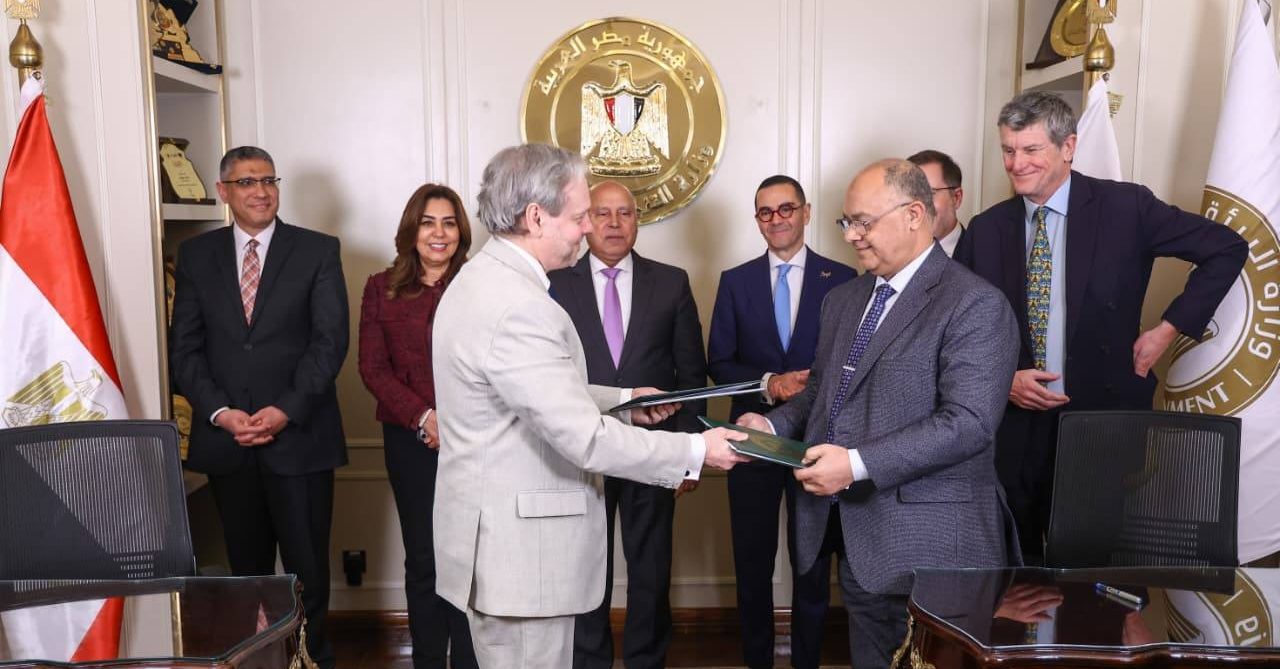
Backed by a partnership signed on 28 January 2026 between the Egyptian government and UK-based engineering and technology company, Polar Hydro, the initiative pairs advanced recycling technologies with environmental remediation to confront chronic waste disposal challenges head-on.
Polar Hydro, a private-sector investor, will take charge of managing and operating the Kirdasah and Mariouteya transfer stations in Giza, streamlining them into a more efficient, coordinated waste collection and treatment system.
Beyond basic waste treatment, the project turns discarded materials into usable resources instead of burying or burning them. By boosting recycling capacity and deploying advanced processing technologies, the initiative aims to transform waste into economic value, generating environmental benefits alongside tangible social and financial returns.
The long-term vision for Shabramant extends well beyond waste disposal. Under the project, the site will be transformed into an advanced bio-factory and a sustainable public park, operating as a special private free zone. Using Polar Hydro’s advanced bio-technology, the facility is expected to process approximately 30 million tons of accumulated waste and convert it into high-value export products, including biofuels, fertilizers, and industrial graphite.
Beyond its environmental goals, the project promises a substantial, profitable impact. Developers estimate it will create around 52,000 direct and indirect jobs, tying environmental restoration to employment and industrial growth.
From a development perspective, the project is part of Egypt’s push toward a green economy. Modernizing waste management could improve environmental outcomes and generate financial value, cut long-term public costs, and support sustainable urban growth.
Collectively, the Shabramant project represents an attempt to move waste management in Giza from a reactive public service to a structured, economically productive system that treats waste as a resource within a vision of sustainable development.






Comments (0)