
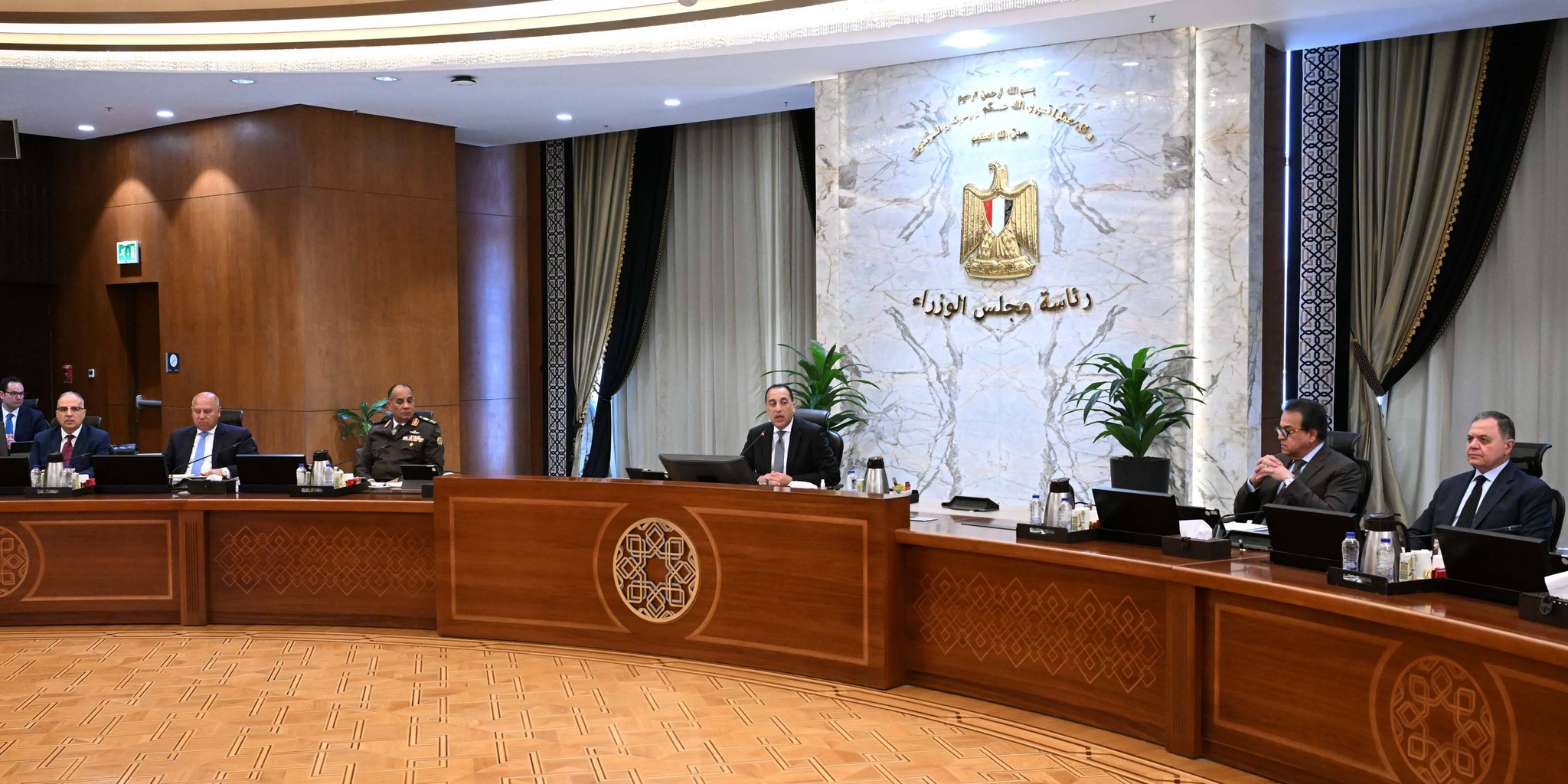
Egypt’s cabinet has approved the state budget for the 2026/2027 fiscal year, according to a statement made by the Egyptian cabinet on Thursday 26 March.
The budget, which was reviewed by President Abdel Fattah Al-Sisi ahead of its approval, includes allocations for 65 public economic authorities and forms part of the country’s wider economic and social development plan.
Finance Minister Ahmed Kouchouk said the new budget is designed to support both citizens and investors, while maintaining momentum in economic activity.
Public spending will continue to prioritise key sectors including healthcare, education, and social protection, alongside initiatives aimed at boosting production and exports. The government also signalled that it will maintain a degree of flexibility in managing potential economic risks.
The draft outlines a projected increase in public revenues of 27.6 percent, bringing total revenues to EGP 4 trillion (USD 75.9 billion). Government spending is also expected to rise by 13.2 percent, reaching EGP 5.1 trillion (USD 96.8 billion).
Social protection remains a central component of the budget, with EGP 832.3 billion (USD 15.8 billion) allocated to support vulnerable groups, marking a 12 percent annual increase.
In parallel, EGP 90 billion (USD 1.7 billion) has been earmarked for programmes intended to stimulate economic activity, with financial incentives linked to measurable outcomes.
The government is also aiming to generate a primary surplus of EGP 1.2 trillion (USD 22.8 billion), equivalent to 5 percent of gross domestic production (GDP), as part of broader efforts to reduce debt and create fiscal space for public spending.
By June 2027, officials are targeting a reduction in the overall deficit to 4.9 percent of GDP, alongside a decline in public debt to around 78 percent of GDP.
The budget comes as Egypt continues to balance rising spending needs with fiscal consolidation efforts, while seeking to encourage private sector growth.

Comments (0)