


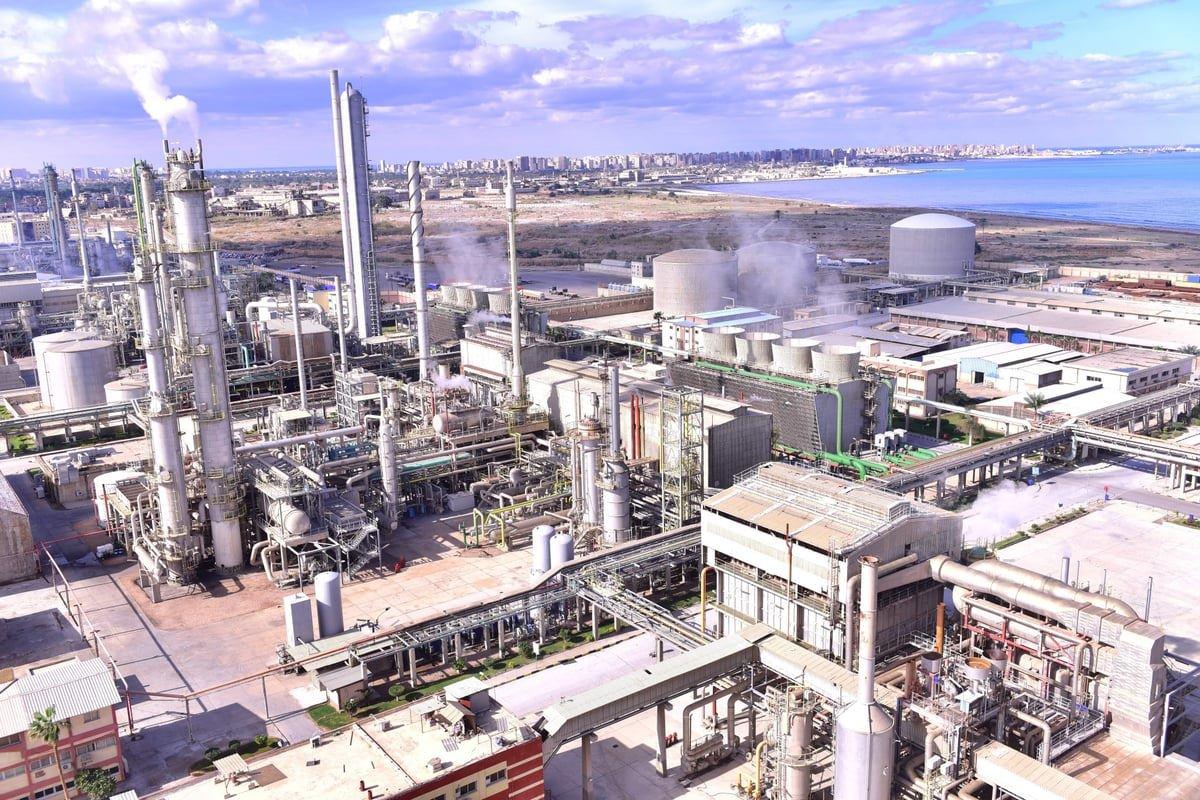
Egypt supplied more than 60 percent of the fertilizer that entered European markets during the last agricultural season from March to September, Industry Minister Khaled Hashem said on Saturday, 14 November. Cairo turned a regional crisis into a boom in hard currency, even as Egyptian farmers paid more to grow their crops.
In an interview on Amr Adib’s talk show “Al-Hekaya” on MBC Masr, Hashem said the government raised the minimum price of natural gas for factories but did not ration it, as several other countries did. Export prices for fertilizer roughly doubled over that period, from about USD 400 to 450 (EGP 21,400 to 24,076) a ton to nearly USD 900 (EGP 48,151).
The minister also announced Egypt’s first Industrial Investment Fund, which will draw on state and private-sector investors. Its goal is to steer money away from real estate and gold and into factories. He said a new Manufacturer Support Unit would review struggling plants one by one. Estimates of how many plants are struggling range from about 7,400 to 25,000.
When war between the United States and Iran began in late February, it blocked shipping in the Persian Gulf this year by disrupting traffic through the Straight of Hormuz. Close to a quarter of the world’s urea exports pass through the strait. Urea prices jumped almost 54 percent in March alone, reaching a four-year high. As supply routes were blocked, Egypt kept its plants running, and its chemical and fertilizer exports rose to nearly USD 5 billion (EGP 267.5 trillion) in the first part of the year.
The new fund comes after an EGP 1 billion (USD 18.7 million) vehicle for distressed factories, which the central bank and the industry ministry launched in October. It is also part of a wider plan to offer incentives to about 6,000 factories.


Comments (0)