


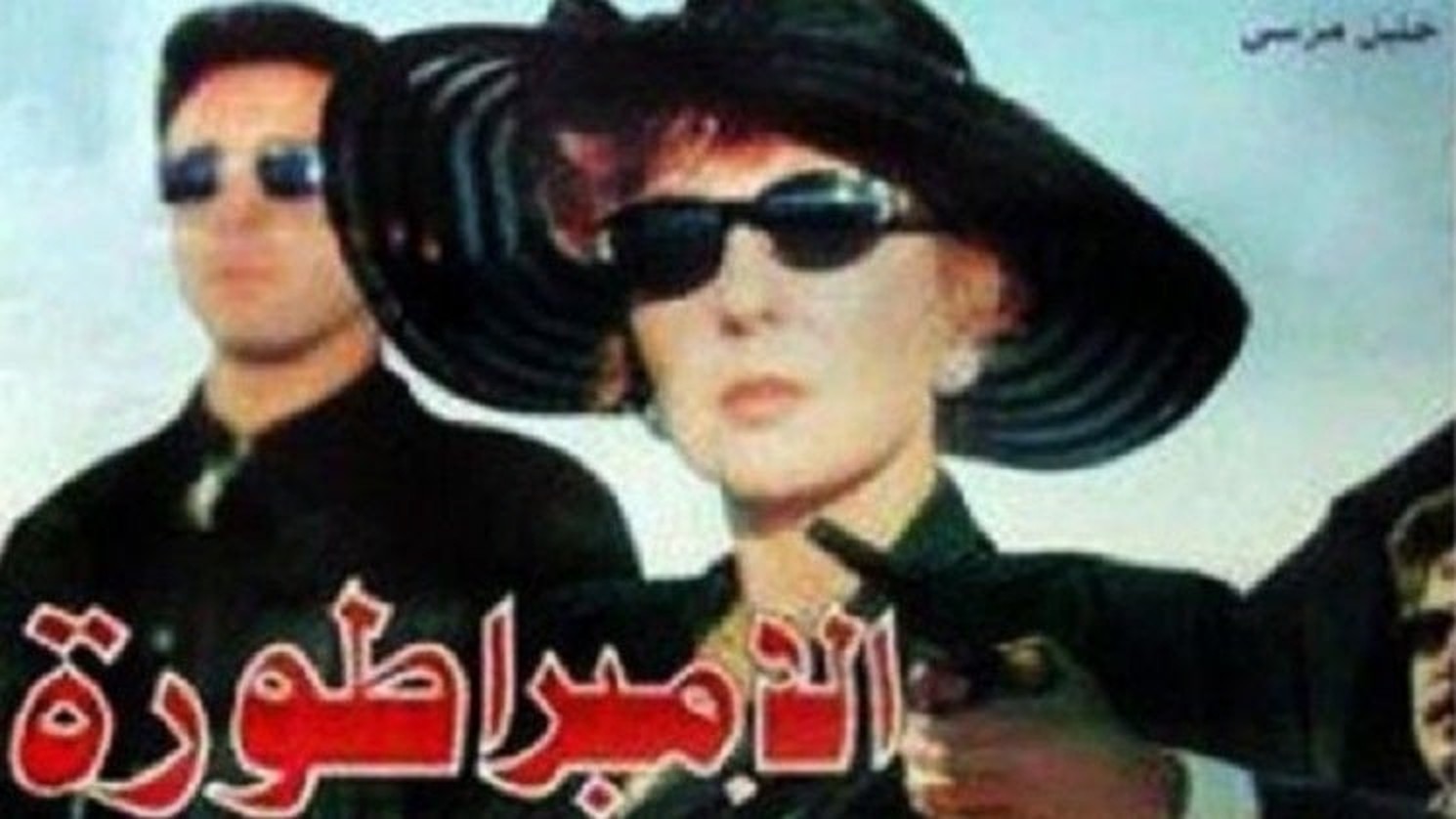
Before the 1960s, when filmmakers, artists, or everyday people wanted to dress up as villains or spooky figures for Halloween, the most obvious go-to choice was to wear a mask — the more inhuman one looks, the more villainous it felt. Fashion historian Nancy Deihl notes that anonymity played a role in the evolution of the villain archetype. The essence of dressing up as a villain was to achieve total disguise. This concept of obscured identity is mirrored in one of the earliest and most iconic horror films, Frankenstein (1910), where the character is shrouded in a mask that conceals their human features. Over time, however, the façade of the mask faded, revealing how villainous traits can manifest in various human figures in real life—such as the elite, drug dealers, and even some religious and cult leaders. In Egypt’s cinematic universe, dressing up as a villain is an intentional and intricate process, involving specific materials like silk and leather, elite fashion symbols like a tarboush (fez) hat with a walking stick, or even subtle touches like a well-groomed thick moustache. As Halloween approaches, Egyptian Streets has put together a…