
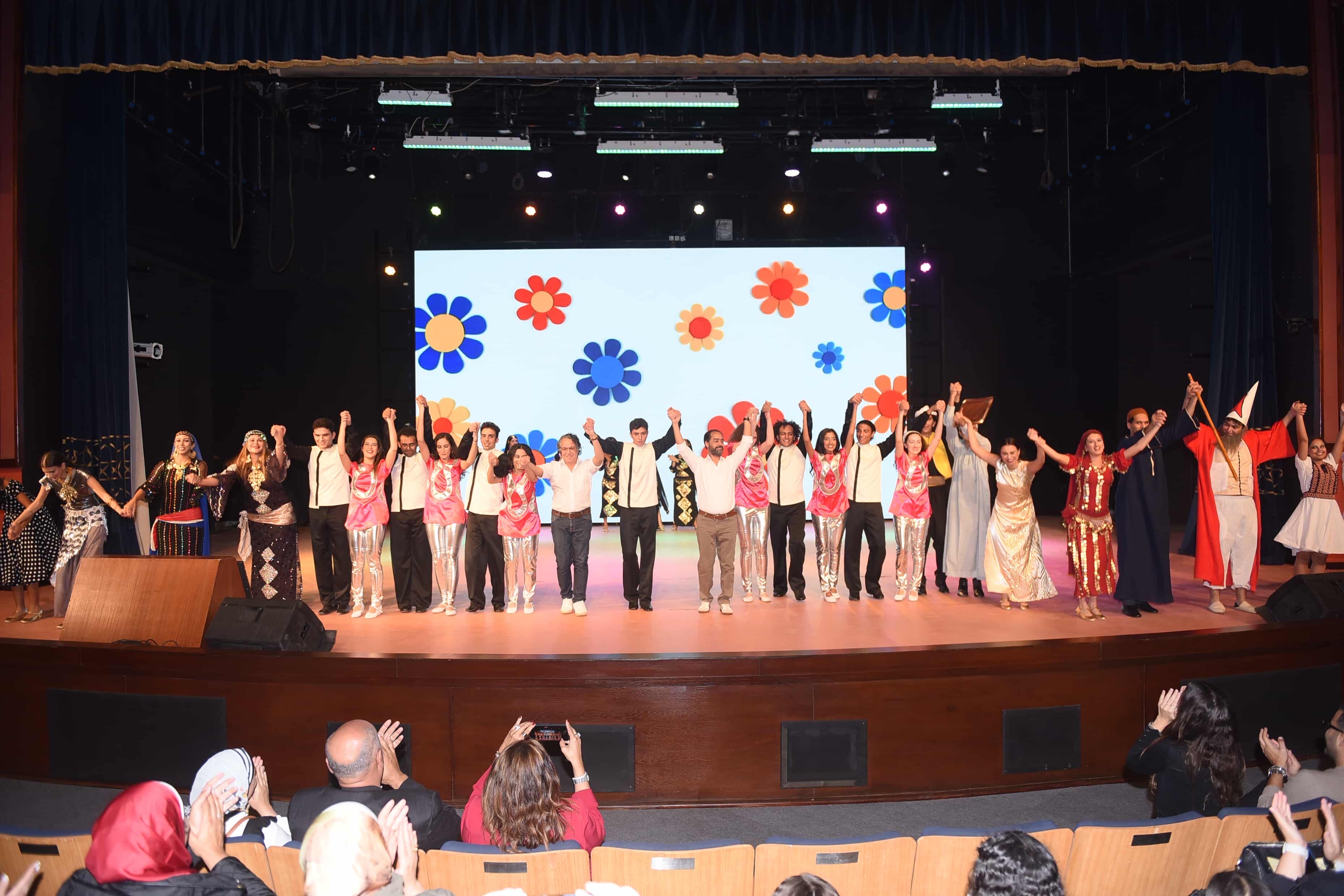
The American University in Cairo (AUC) Folklore Troupe, a student-led group at the American University in Cairo, brings Egypt’s rich dance traditions to life through rehearsal and performance.
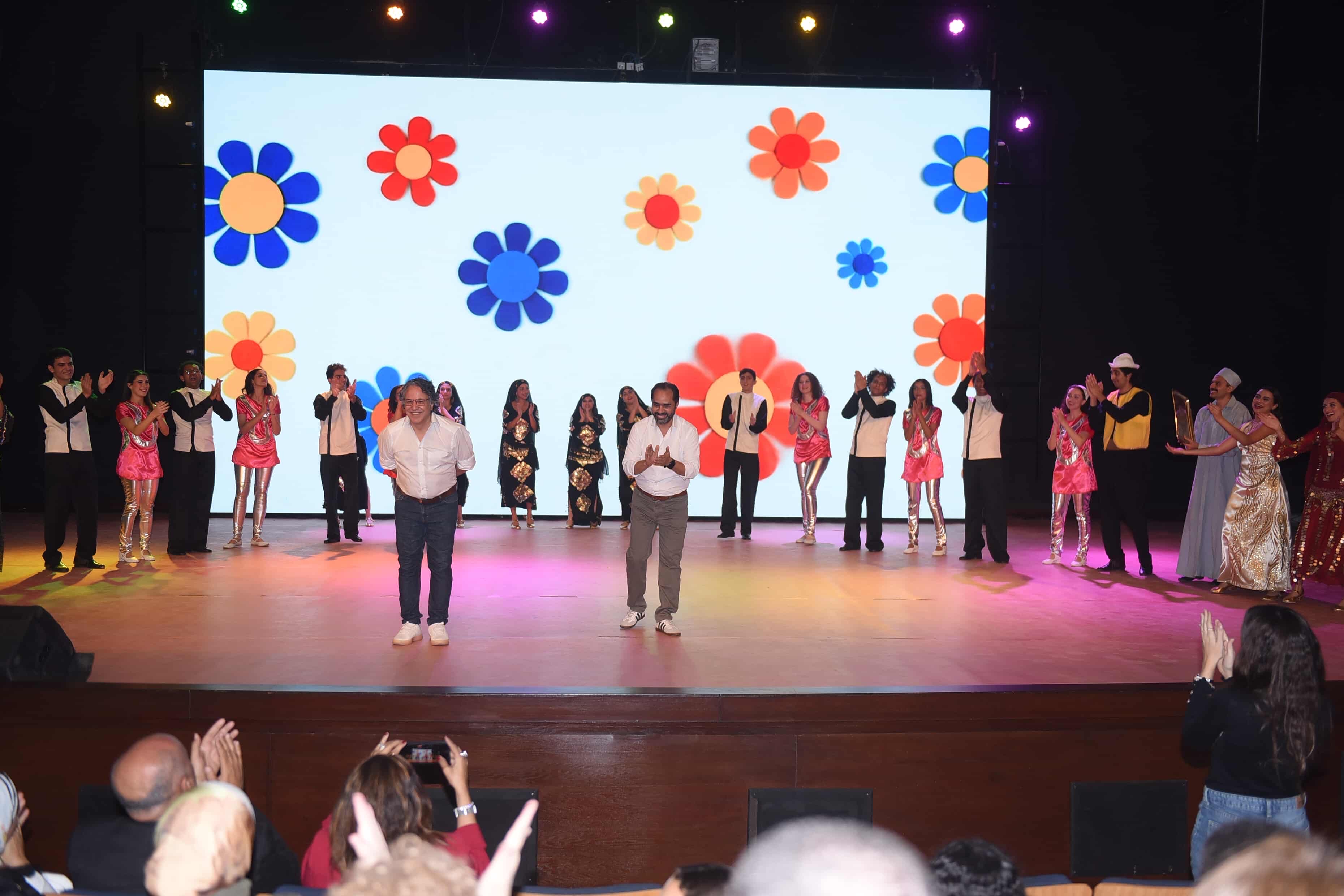
Founded in the 1970s by Hassan Afifi, the troupe draws on regional and historical folk dances from across the country. Today, under the guidance of choreographer Hassan Farouk and trainer/fashion designer Mohamed El Faramawy, AUC students continue to celebrate and perform these vibrant traditions.
We spoke to four troupe members to learn more about what inspires them and how they connect with Egypt’s folkloric heritage.
A Leader and Cultural Ambassador
Sherry Wael, 22, an Integrated Marketing student, had developed an interest in dance more than a decade ago, drawn by its beauty and expressive potential. However, it was not until her time at AUC that she truly embraced dance as a calling.
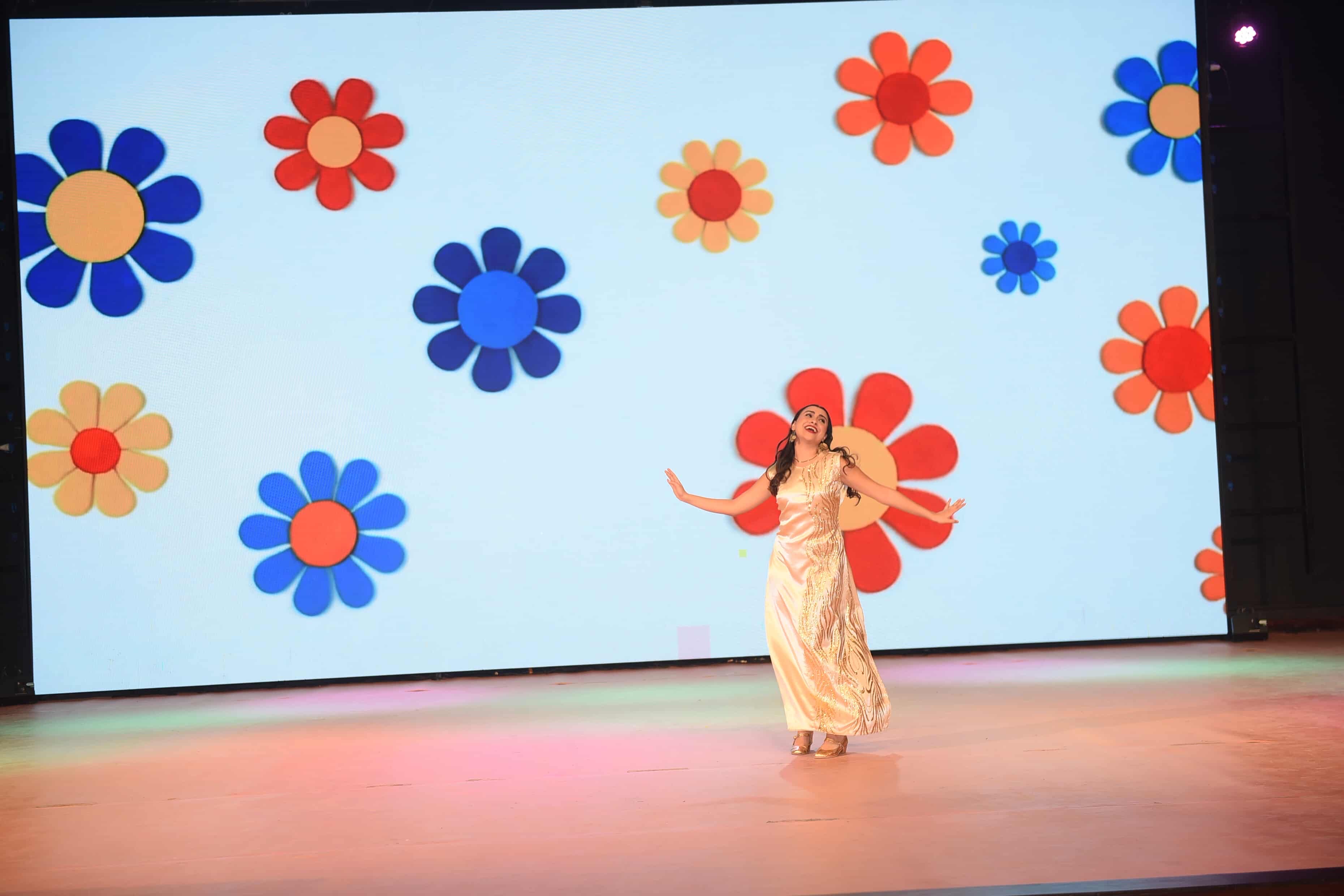
“I explored Latin dance classes, led by an instructor I had admired from a distance for years on social media,” she explains. “The moment I stepped into the dance studio, I felt an instant connection that resonated deep within me.”
Dance provided Wael with a sense of belonging and fulfillment that she had yearned for, and would profoundly shape her college experience.
When the AUC Latin dance club faced logistical challenges and eventually disbanded, Wael experienced a void in her life.
“It was during this time that I discovered the AUC Folklore Troupe in September 2023,” says Wael.
With only three fellow students participating initially in 2023, the folklore club had dwindled, but Wael saw potential where others saw obstacles. Recognizing a deeper connection to her Egyptian heritage, she immersed herself in folklore dance, discovering its rich storytelling elements and emotional depth.
In February 2024, the AUC Folklore Troupe was set to represent Egypt at an international festival in France. This announcement made by the Office of Student Life (OSL) was a turning point for Wael, transforming her commitment from that of a dancer to a cultural ambassador.
“I took on the role of rebuilding the troupe with enthusiasm, determined to instill a sense of pride and ownership in the members. With the support of the OSL , I orchestrated marketing strategies, social media initiatives, and community outreach to reignite interest in folklore dance at AUC,” she says.
Her dedication resulted in a growing troupe filled with passionate dancers (30 dancers) who shared her vision. Each rehearsal became a celebration of collaboration and creativity, as the members bonded over their shared love of dance and heritage.
Despite societal stereotypes that often associate female dancers with objectification, or moral disapproval rather than artistry, Wael pushed through, fueled by the joy of performance and the pride she felt representing her culture on stage, reflecting broader efforts by Egyptian women to reclaim dance as respected cultural expression.
Finding Joy and Community Through Dance
For Omar Abd El Hady, 21, dance is both a hobby and a familial connection forged through the AUC dance team as he was inspired by his peers to pursue dancing.
The nurturing environment allowed him to thrive, where each performance is infused with camaraderie and teamwork.
“Dance offers me the unique opportunity to express myself and connect with audiences, eliciting applause that fills me with pride and fulfillment,” he shares.
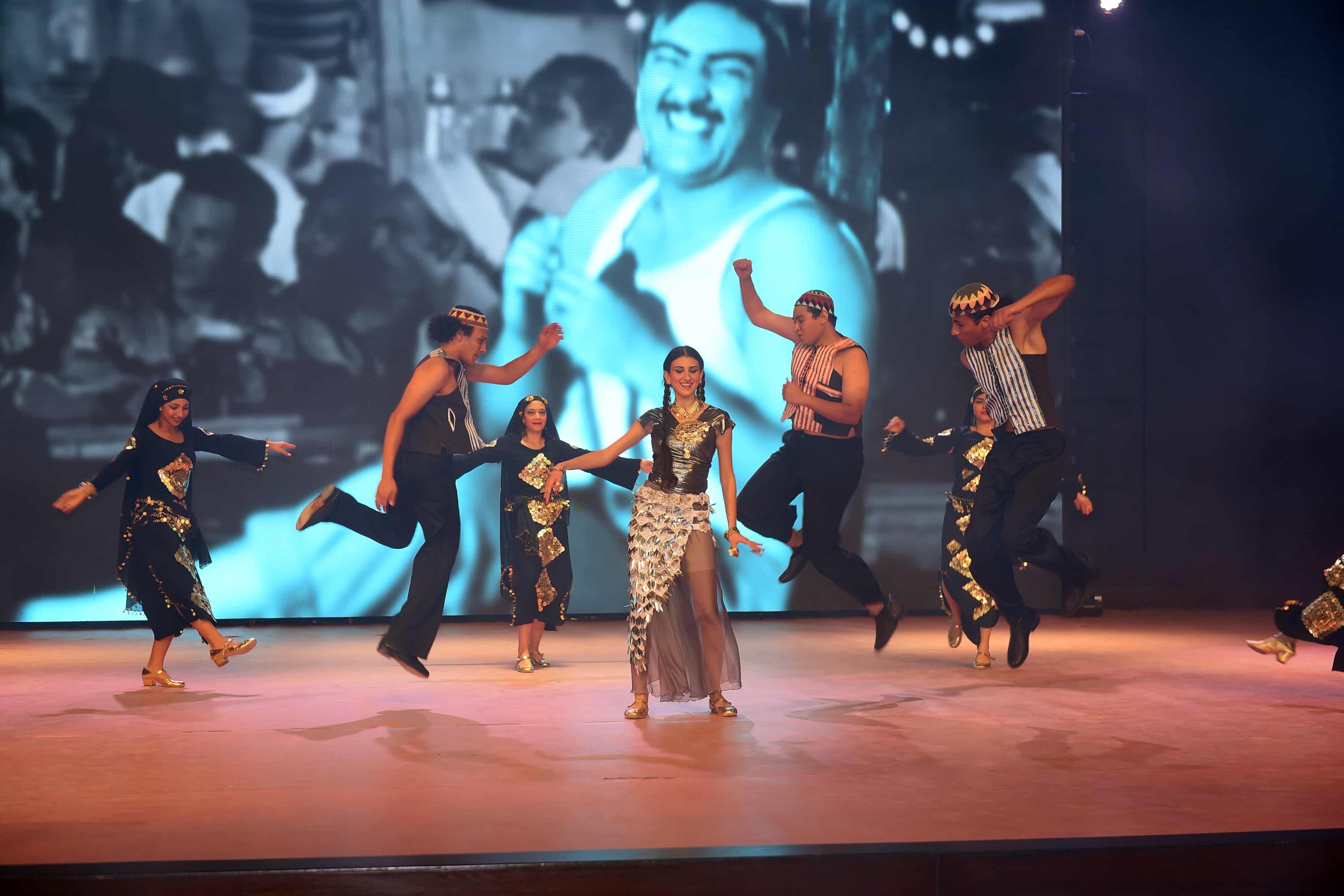
While Abd El Hady studies Computer Science at the AUC, he may not have experienced dramatic milestones in his journey thus far, but he recognizes the significance of performing regularly before an audience.
Abd El Hady states that ”the experiences in cultural festivals and events have helped me overcome stage fright and step outside my comfort zone. Through each performance, I become more confident and resilient, embodying the essence of what it means to be a dancer in the modern age.”
In his view, dance serves as a powerful medium for cultural expression, enabling him to engage with the diverse traditions that shape Egypt’s dance heritage.
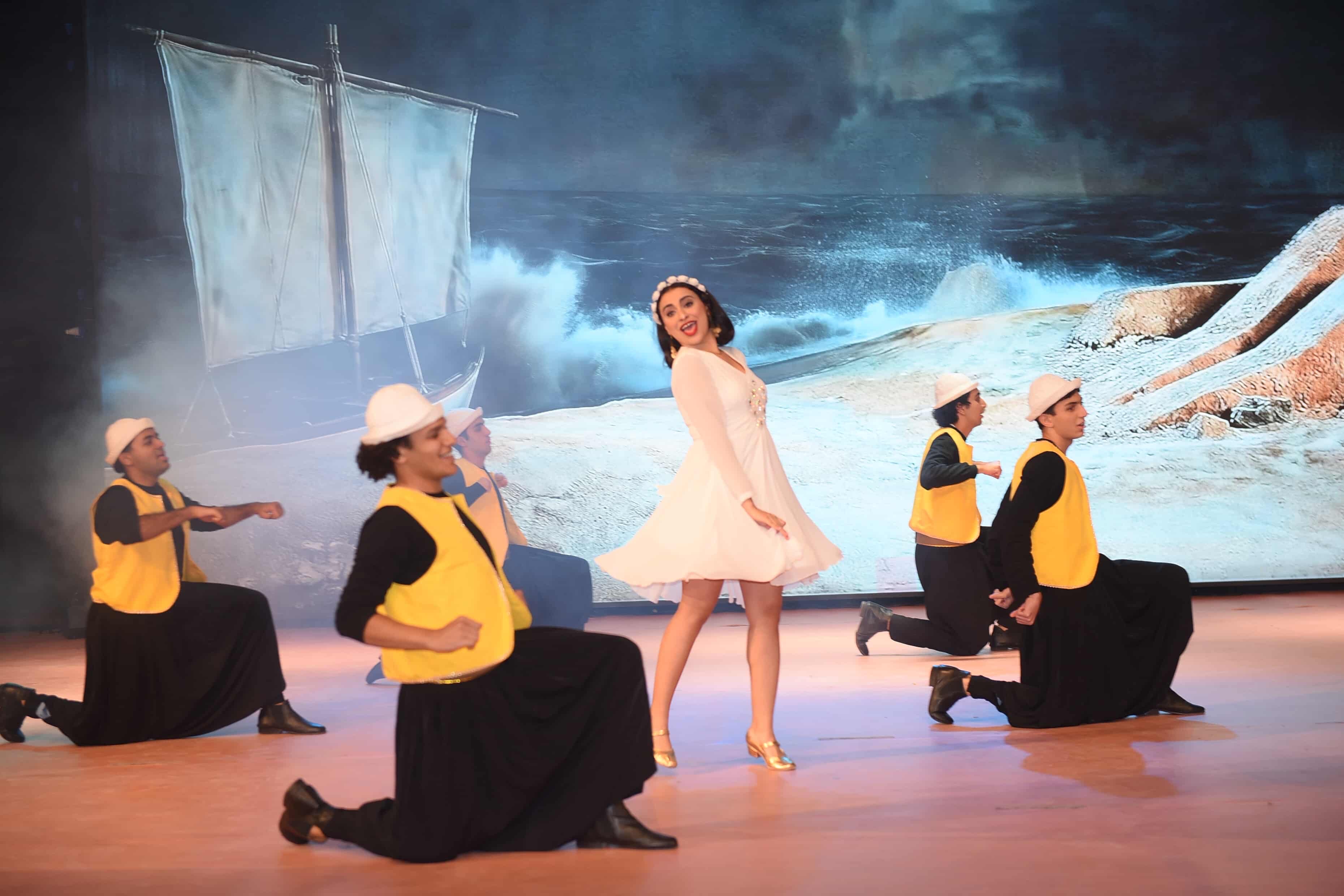
Through the AUC Folklore Troupe, these traditions are represented in performances drawn from different regions of the country, including Tanoura, Eskandarani, and other Upper Egyptian and Delta-inspired styles, adapted for the stage while maintaining their cultural context.
Dance as a Connection to Roots
Holy Seweify, 19, started dancing ballet and acting when she was a child, which provided her with an introductory understanding of movement and expression.
“Throughout my school years studying at Psychology & Theatre at AUC, my passion for acting led me to engage in musical productions, but it was the AUC Folklore Troupe that solidified my passion for dance.”
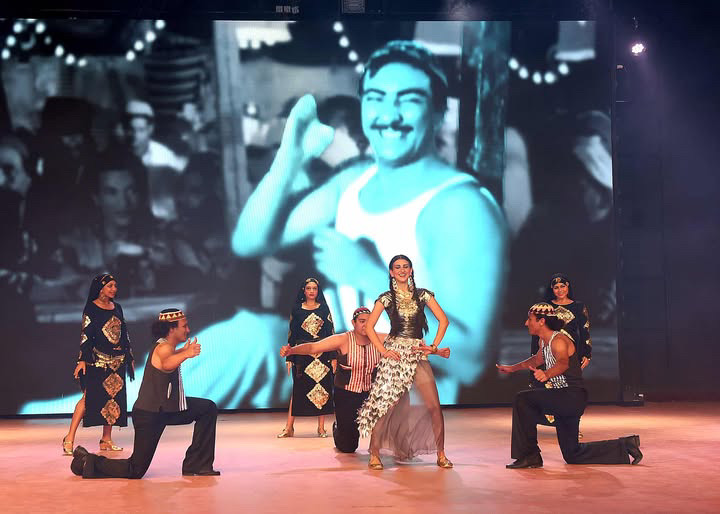
Upon joining in September 2024, Seweify discovered that folklore encompassed both movement and storytelling; it was a medium through which she could connect with her Egyptian roots.
“For me, folklore dance represents a powerful form of cultural expression that enables me to explore and embody the stories of women from different cultural backgrounds and historical eras. It has become a core part of my identity, allowing me to communicate emotions and ideas beyond the confines of language,” Seweify states.
Connecting to Identity Through Folklore
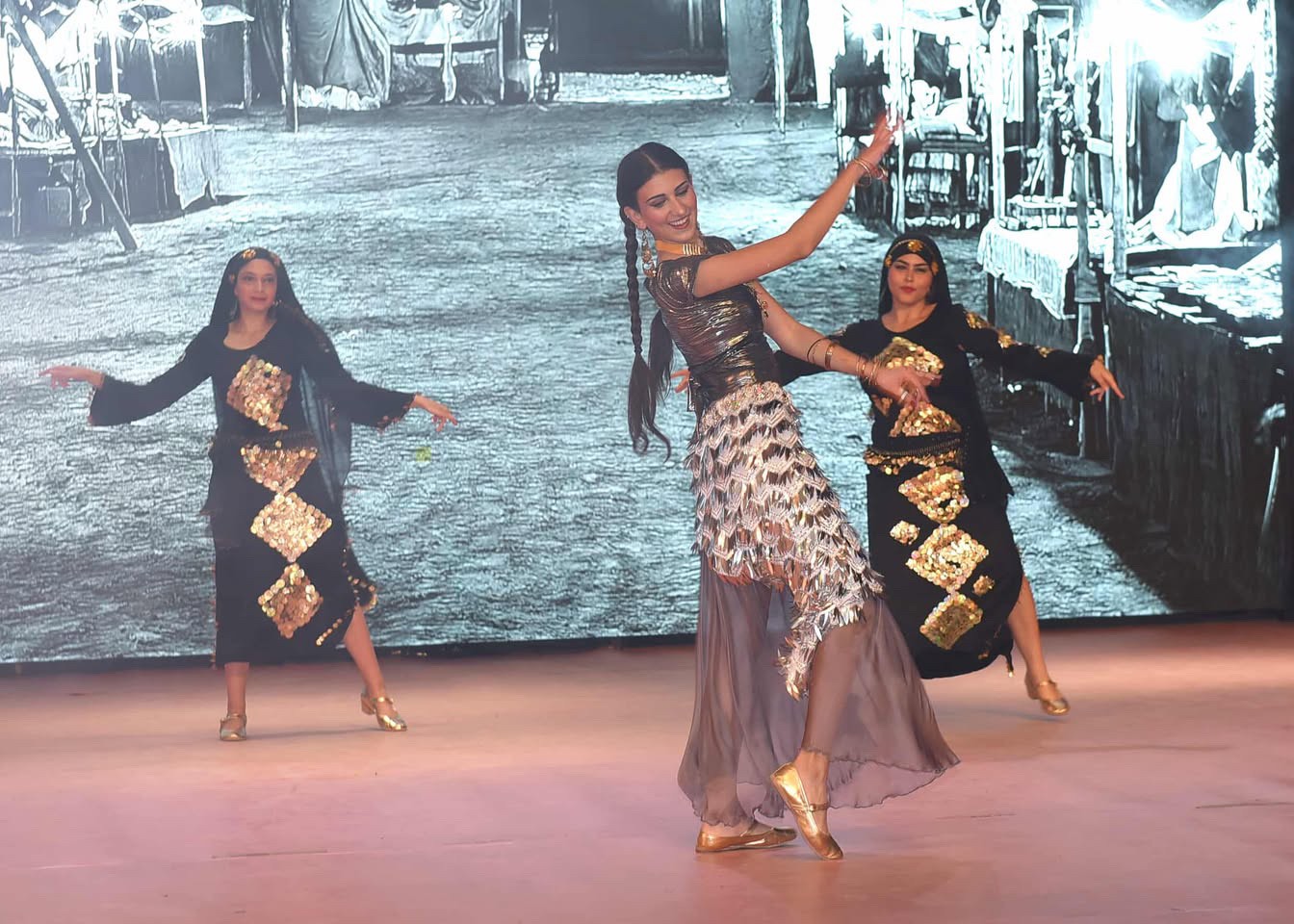
Adham Gohar, 22, a computer science major, developed an interest in dance through his exposure to Egyptian culture during a high school exchange experience as part of the Kennedy–Lugar Youth Exchange and Study (KL-YES) program, funded by the U.S. Department of State and administered in Egypt through the American Field Service (AFS), which is an international nonprofit organization that runs student exchange and intercultural learning programs.
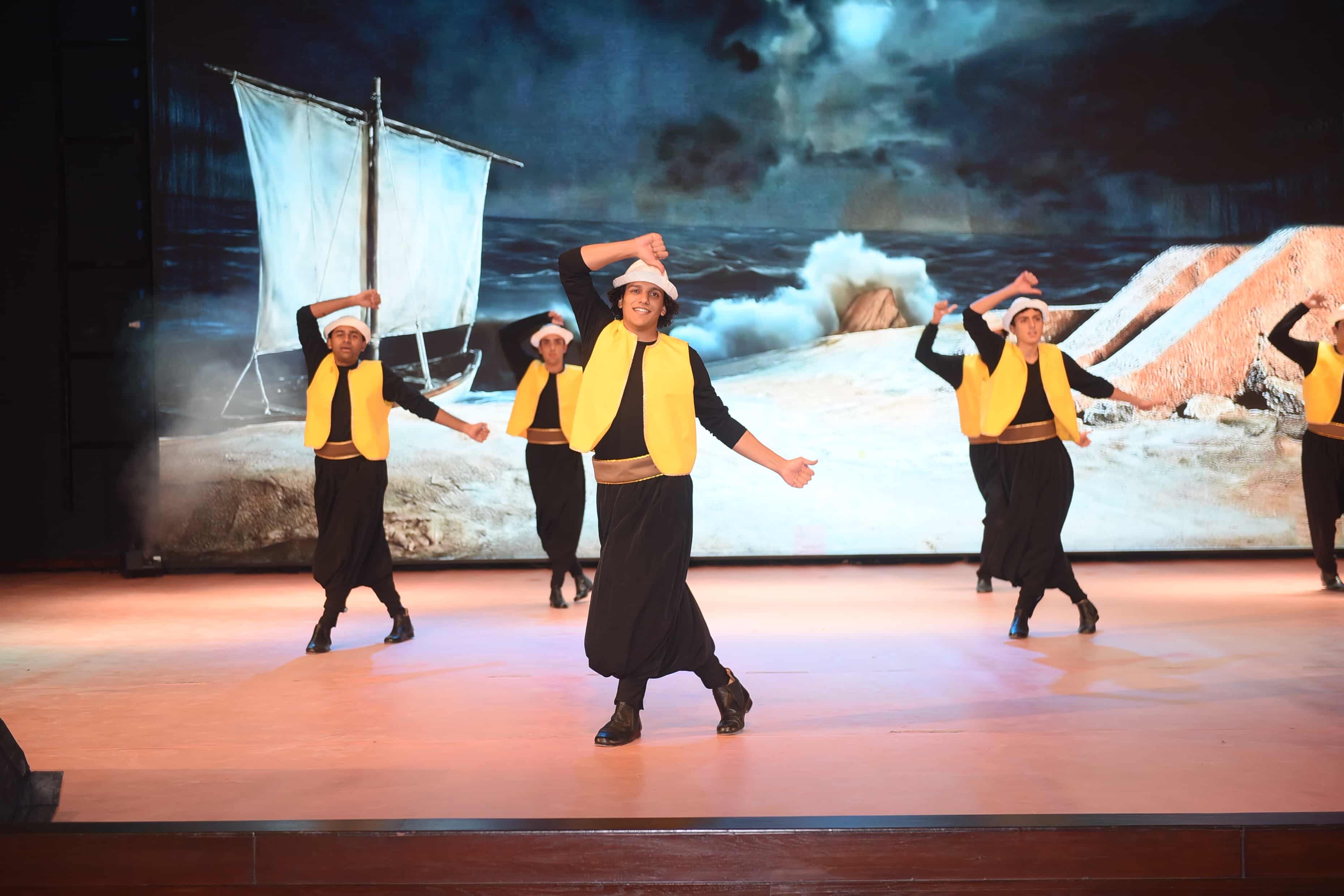
Gohar explains, “Watching the AUC Folklore Troupe perform for the first time “ sparked a genuine curiosity about my cultural heritage, I felt an immediate connection— a moment that marked the beginning of my journey.”
For Gohar, dance creates an authentic connection with his roots and allows him to engage authentically with his Egyptian identity.
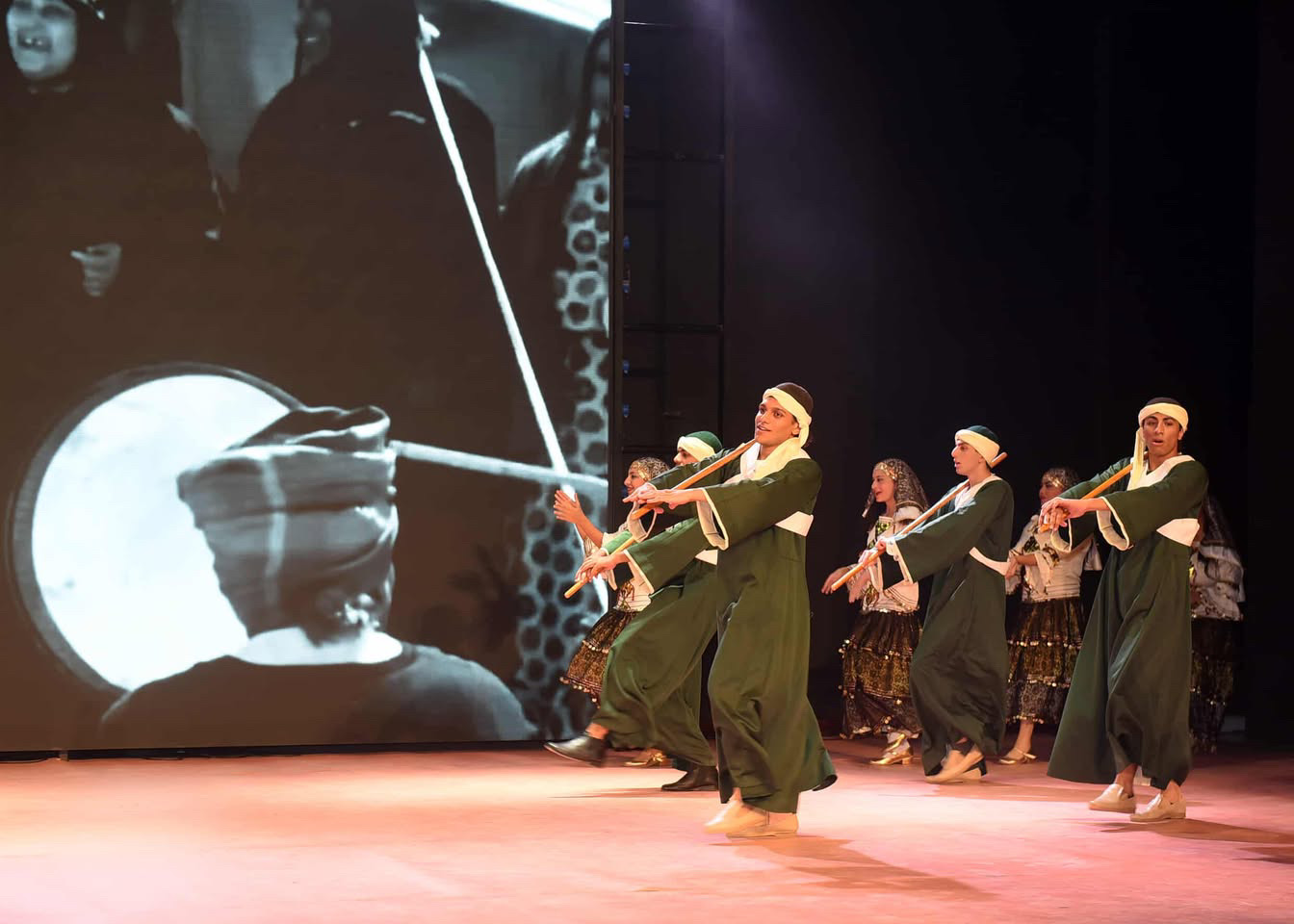
Being a male dancer has not been without its challenges, particularly in overcoming societal perceptions that may view dance as an activity reserved only for females.
Through his experiences, Gohar has become a passionate advocate for the accessibility of dance; he believes that it could resonate with anyone, regardless of their gender and background.
A significant milestone in Gohar’s dance journey occurred during the AUC Folklore Troupe’s participation in the OSLDance Night 2025.
“The performance pushed the boundaries of tradition as the dancers embraced classical moves inspired by the golden age of Egyptian cinema (1940s through the 1960s),” he tells Egyptian Streets.
This experience solidified Gohar’s conviction that dance is a dynamic and evolving art form that can bridge gaps and foster community.
With students such as Sherry Wael, Omar Abd El Hady, Holy Seweify, and Adham Gohar, the AUC Folklore Troupe provides a platform for exploring and performing traditional Egyptian dance. Its work engages students with cultural heritage, promotes inclusive participation across genders, and highlights the educational and artistic value of folklore.




Comments (0)