

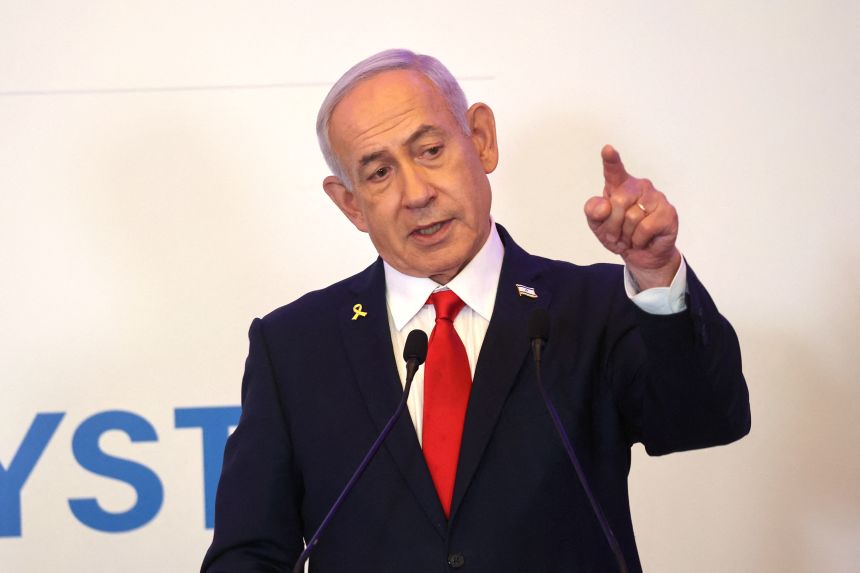
Israeli Prime Minister Benjamin Netanyahu announced on Wednesday 17 December the approval of what he described as the “largest gas deal in Israel’s history,” set to supply natural gas to Egypt from the Leviathan natural gas field (one of the largest natural gas fields in the Eastern Mediterranean).
The agreement, valued at approximately EGP 1 trillion (USD 35 billion) was initially signed in August and involves the American company Chevron as well as Israeli partners.
Netanyahu emphasized the deal’s potential to bolster Israel’s status as a regional energy powerhouse, stating it would contribute to stability in the region.
He noted that revenue generated from the export deal, estimated at EGP 856 billion (USD 18 billion), would support vital sectors such as education, healthcare, and infrastructure.
What is the deal?
The deal aims to deliver a total of 130 billion cubic meters of gas to Egypt, which will address the country’s current energy crisis worsened by declining local production from 2022, while boosting Egypt’s exports of liquefied natural gas (LNG) to Europe.
Cairo has framed gas imports from Israel as part of Egypt’s role as a regional energy hub in terms of re-exporting gas to Europe.
In 2022, Egypt, Israel, and the European Union signed a framework agreement to facilitate the export of natural gas (including Israeli gas brought into Egypt) to European markets.
Egypt receives gas from Israel and takes steps to liquefy this natural gas at its LNG facilities before exporting it to Europe.
Addressing criticism, Egypt has stressed previously that the agreement regarding imports from Israel is essentially a continuation of an earlier 2019 arrangement and that this would not influence Egypt’s position on Gaza or its support for the Palestinian people, according to Prime Minister Mostafa Madbouly.




Comments (0)