


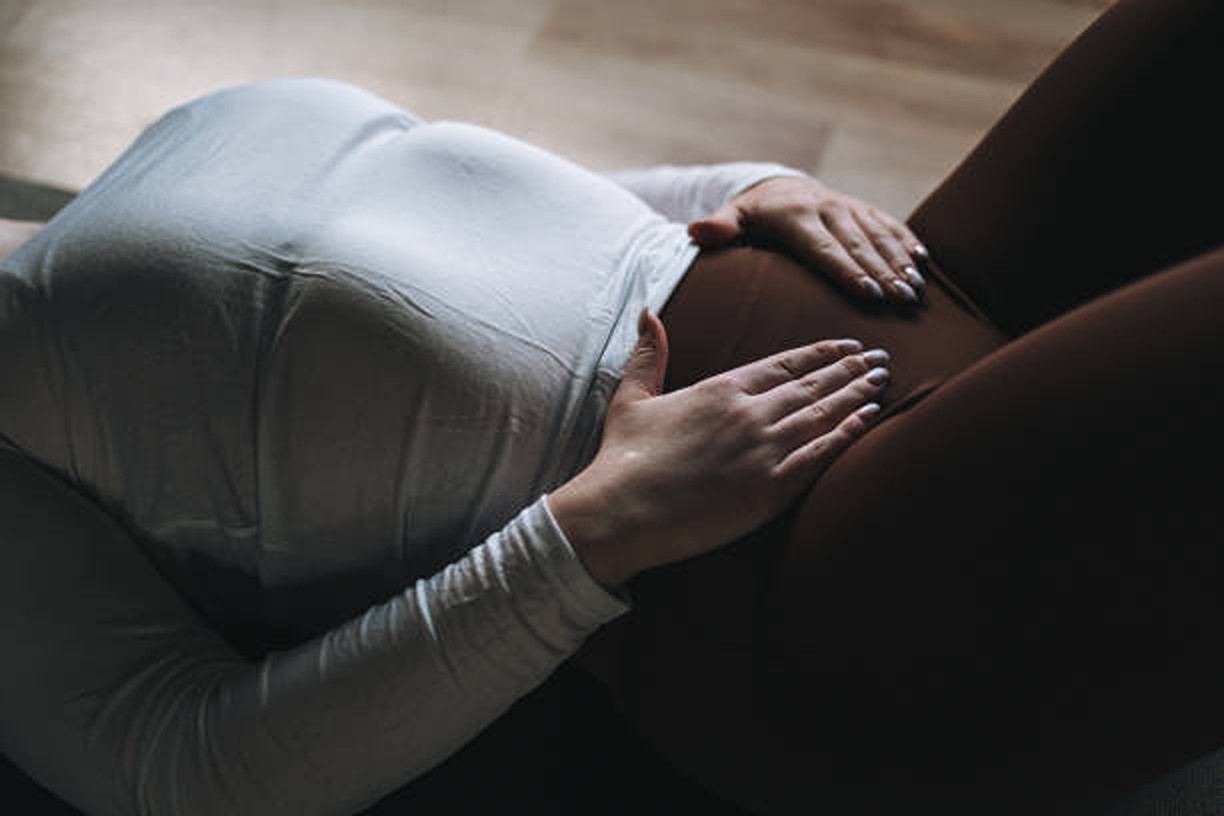
The way a woman feels about her body is not the same as the way she feels within it. The first is shaped by the gaze of the world and by how she is perceived, measured, and interpreted. The second belongs only to her: how she inhabits herself, how she experiences her body when no one else is looking.
It is a tension that follows many women throughout their lives; the ongoing work of separating external perception from her internal world, of distinguishing what is seen from what is felt. Learning to soften the noise of expectation, to filter out the weight of opinion, and to choose comfort, presence, and ownership from within becomes its own lifelong practice.
One of the most powerful ways a woman deepens her sense of ownership within her body is through sexual wellness, which refers to feeling safe, informed, and comfortable with their sexuality and sexual health.
When self-care is stripped of purely aesthetic ideals, sexual wellness reframes it as something internal and lived. It becomes less about how a body appears and more about how it functions, regulates, responds, and feels.
In this way, it is about honoring the connection between body and self.
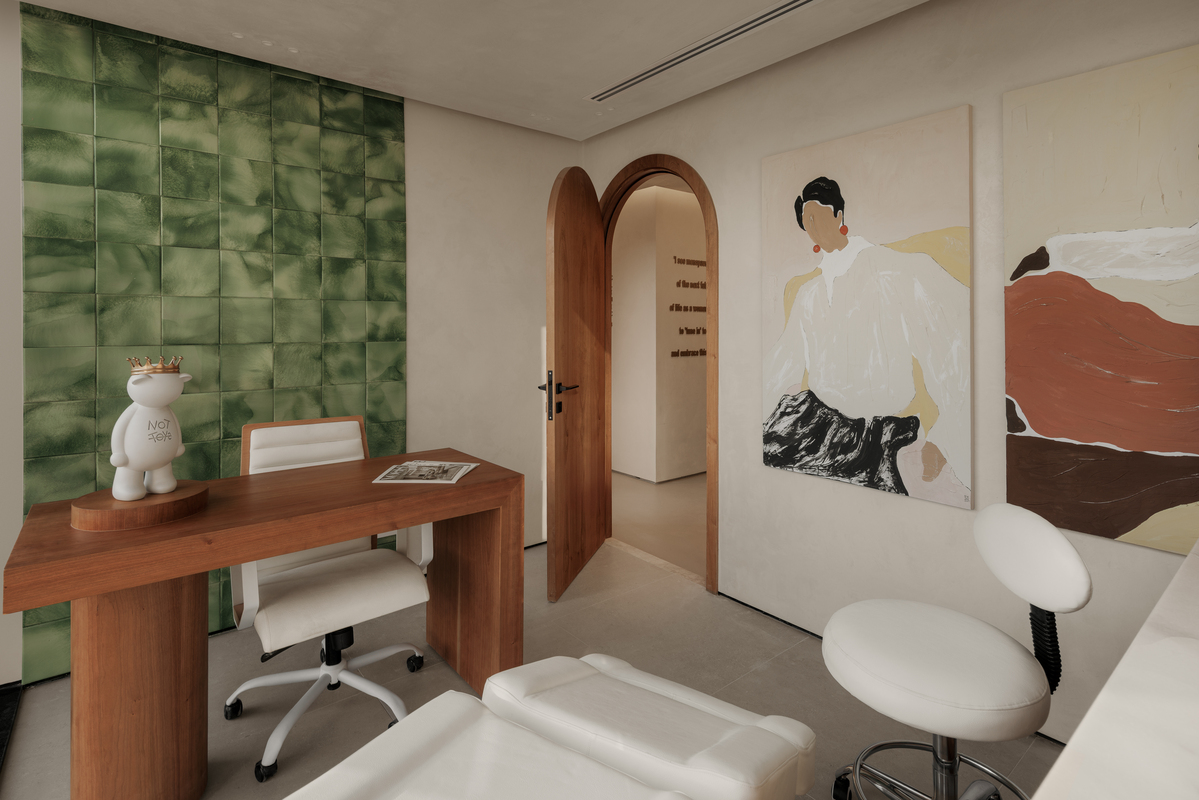
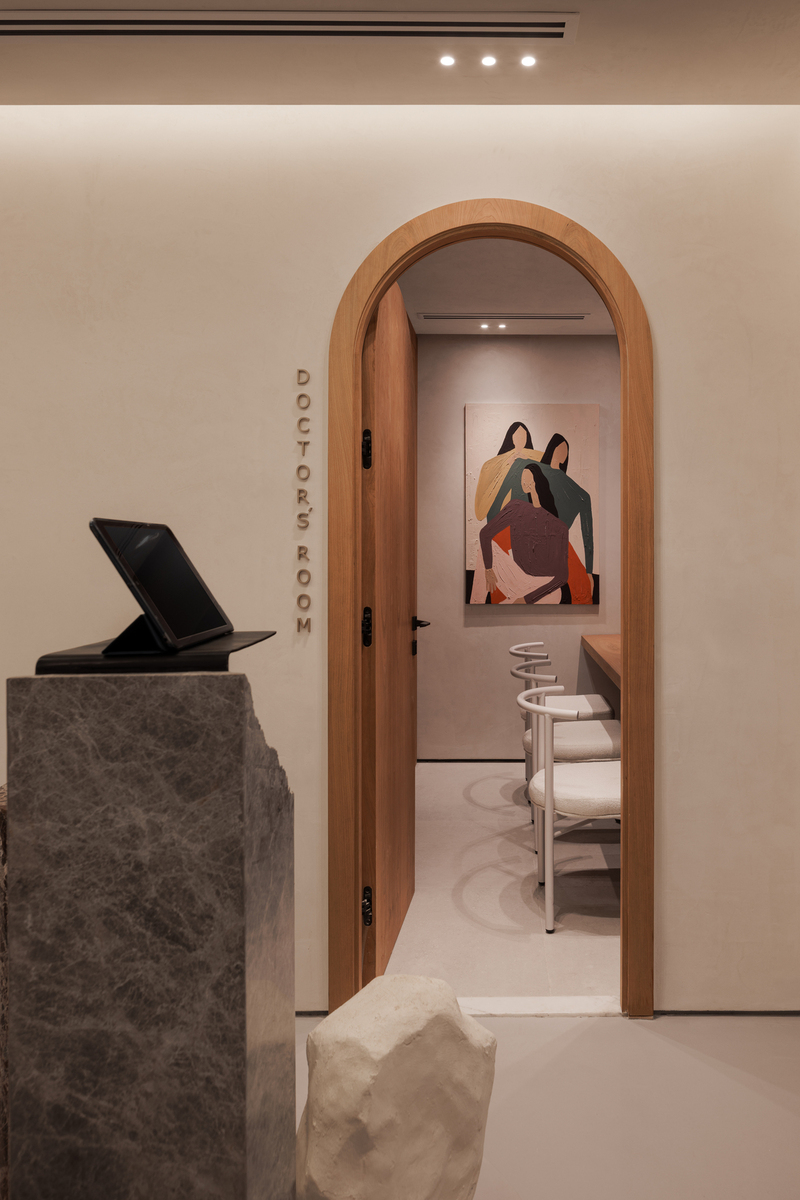
Clinics such as SOL Longevity Clinic are part of a growing movement in Egypt redefining women’s wellness through a more holistic lens, one that connects confidence, vitality, and quality of life to pelvic health, hormonal balance, and sexual education rather than external beauty standards alone.
“Intimate health is still a sensitive subject in many communities,” Reem Nouman, founder of SOL Longevity Clinic, tells Egyptian Streets. “Because of that, a lot of women grow up without open conversations or proper education about their bodies. They’re often left unsure about what’s normal, what’s not, and what is actually treatable.”
The Missing Conversation in Women’s Health
Despite major advances in healthcare access, sexual wellness remains one of the least discussed aspects of women’s health in Egypt and across much of the region.
Comprehensive sexual education persists as limited, leaving large numbers of women without medically accurate information about their own anatomy, reproductive cycles, or intimate health.
Studies conducted by researchers in 2024 suggest that a significant proportion of Egyptian women enter marriage with minimal formal knowledge about sexual health, pelvic function, or what constitutes normal physiological experiences.
Medical professionals report that this knowledge gap directly impacts well-being. Many women assume discomfort, pain, or changes in intimacy are unavoidable parts of womanhood rather than treatable medical concerns.
Silence is often inherited and sustained as a social condition. In conversations with Egyptian women conducted by researchers in 2025, discussions around sexuality and first sexual experiences were largely absent within the home. Many women described growing up with little guidance, internalizing shame, fear, and uncertainty from an early age.
As a result, women are often left to navigate intimacy and relationships on their own, turning to informal or unreliable sources for clarity.
“Women are not always asked about these concerns during routine medical visits,” Nouman explains. “And many feel shy bringing them up on their own.”
This hesitation often creates a gap where common and manageable symptoms often go unspoken of and untreated.
“There is also a shortage of clear, trustworthy education written in culturally appropriate language,” she adds. “Without reliable guidance, some women assume that discomfort or changes are simply something they have to tolerate.”
Increasing respectful, informed medical awareness, she emphasizes, makes a difference. It encourages women to seek support earlier and empowers them to make confident, informed decisions about their health.
Raising sexual wellness among Egyptian women also requires more than awareness alone. It calls for layered, culturally sensitive education in clinics, in schools, and across digital platforms to normalize conversation without sensationalizing it.
Initiatives like MotherBeing, which focuses on sexual wellness, and emerging AI-driven sexual health platforms are important steps forward, creating access points that feel discreet and approachable.
What is often still missing, however, is a space where sexual health is not treated solely as a medical issue to diagnose and resolve, but as a holistic experience of the body. A model that combines medical care with specialized physiotherapy, particularly pelvic floor therapy, recognizes that many concerns sit at the intersection of physical function, hormonal balance, and emotional well-being.
Sexual Wellness as Lived Experience
Rather than treating sexual wellness as a single event or something relevant only at one stage of life, Nouman’s clinic takes a lifelong perspective, exploring how sexual wellness connects with a woman’s inner experience and the strength and health of her body and muscles.
“Women’s intimate health concerns often vary depending on their stage of life,” Nouman explains. “But many are connected to pelvic floor health, hormonal changes, and overall physical comfort.”
Medical professionals emphasize that understanding anatomy and muscle function can significantly reduce fear and improve comfort, reframing intimacy as a learned physiological experience rather than a source of stress.
“Many women worry that something is seriously wrong with them when, in fact, their conditions are common and respond well to proper medical assessment, education, and guided therapy,” Nouman adds.
Pelvic floor muscles influence a woman’s body and sense of self across her entire life, shaping how she feels from the inside out. After pregnancy and childbirth, changes in muscle tone and tissue sensitivity are common, affecting strength, comfort, and confidence. With targeted pelvic rehabilitation and medical support, these shifts can often be improved, restoring both function and a sense of ease within the body.
Later, during peri-menopause and post-menopause, hormonal changes and natural aging can lead to tissue dryness, reduced elasticity, and weaker pelvic muscles, which may affect comfort and physical confidence.
“These changes are part of the body’s natural lifecycle, but with informed guidance and supportive therapies, women can maintain strength, function, and a grounded sense of embodiment,” Nouman says.
Exercise, in this context, becomes more than movement. It is a way for a woman to rebuild her relationship with her body; to feel lighter, more supported from within, and more in control of how her body functions.
Much like therapy helps a person better regulate and understand their emotions, physiotherapy helps women regulate and understand their physical responses. Strengthening and relaxing the pelvic floor allows women to feel where tension is held, where weakness exists, and how to gently restore balance.
“Under the medical direction of specialists, treatment plans may also include supportive technologies,” she adds, noting that all are available at SOL Longevity Clinic, “such as the EMSella chair, which uses non-invasive electromagnetic stimulation to strengthen deep pelvic muscles.”
When combined with hands-on physiotherapy and medical care, this integrated approach supports pelvic function, comfort, and overall well-being in a way that feels both safe and empowering.
Rather than treating isolated symptoms, it helps women feel steady and in control within their own bodies, strengthening not just muscles, but also their sense of self and confidence.
In doing so, it reframes sexual wellness from something seen as untreatable into something a woman can actively nurture herself, integrating it into her identity rather than experiencing it as something separate from who she is.




Comments (0)