


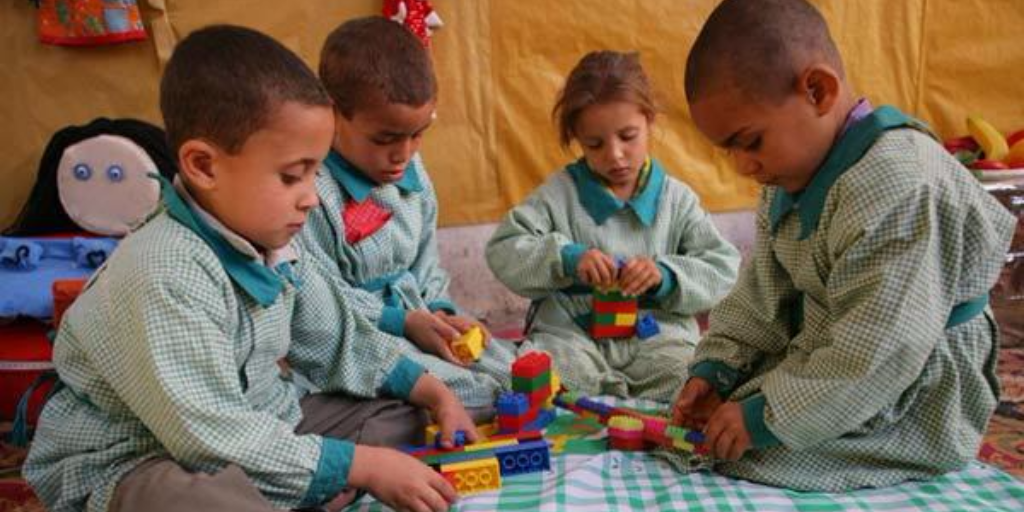
Egypt has reported a dramatic decline in child anemia, with the rate falling from 42.3 percent in 2019 to just 8 percent in 2026, according to Health and Population Minister Khaled Abdel Ghaffar.
The fall in anemia has come alongside a decline in reported stunting, which fell from 6.9 percent to 4 percent between 2019 and 2026.
The figures, presented during Egypt’s 2026 National Day to Combat Stunting, point to significant progress in tackling nutritional problems among children.
In just seven years, the reported prevalence of anemia among children dropped by more than 34 percentage points. At the same time, the rate of stunting declined from 6.9 percent in 2019 to 4 percent in 2026, according to the Health Ministry.
Anemia occurs when the blood does not have enough healthy red blood cells or haemoglobin to carry sufficient oxygen around the body. Iron deficiency is one of its most common causes. For children, getting enough iron and other essential nutrients is especially important because their bodies and brains are developing rapidly.
The World Health Organization (WHO) has identified iron as an essential nutrient for children’s development and notes that iron deficiency and iron-deficiency anemia can be linked to impaired cognitive development and school performance.
A reduction in the number of anemic children means fewer children are experiencing a condition that can affect their health during important stages of growth.
The government has also highlighted the importance of the first 1,000 days of life, from pregnancy through a child’s early years, when nutrition plays an important role in healthy growth and development.




Comments (0)