


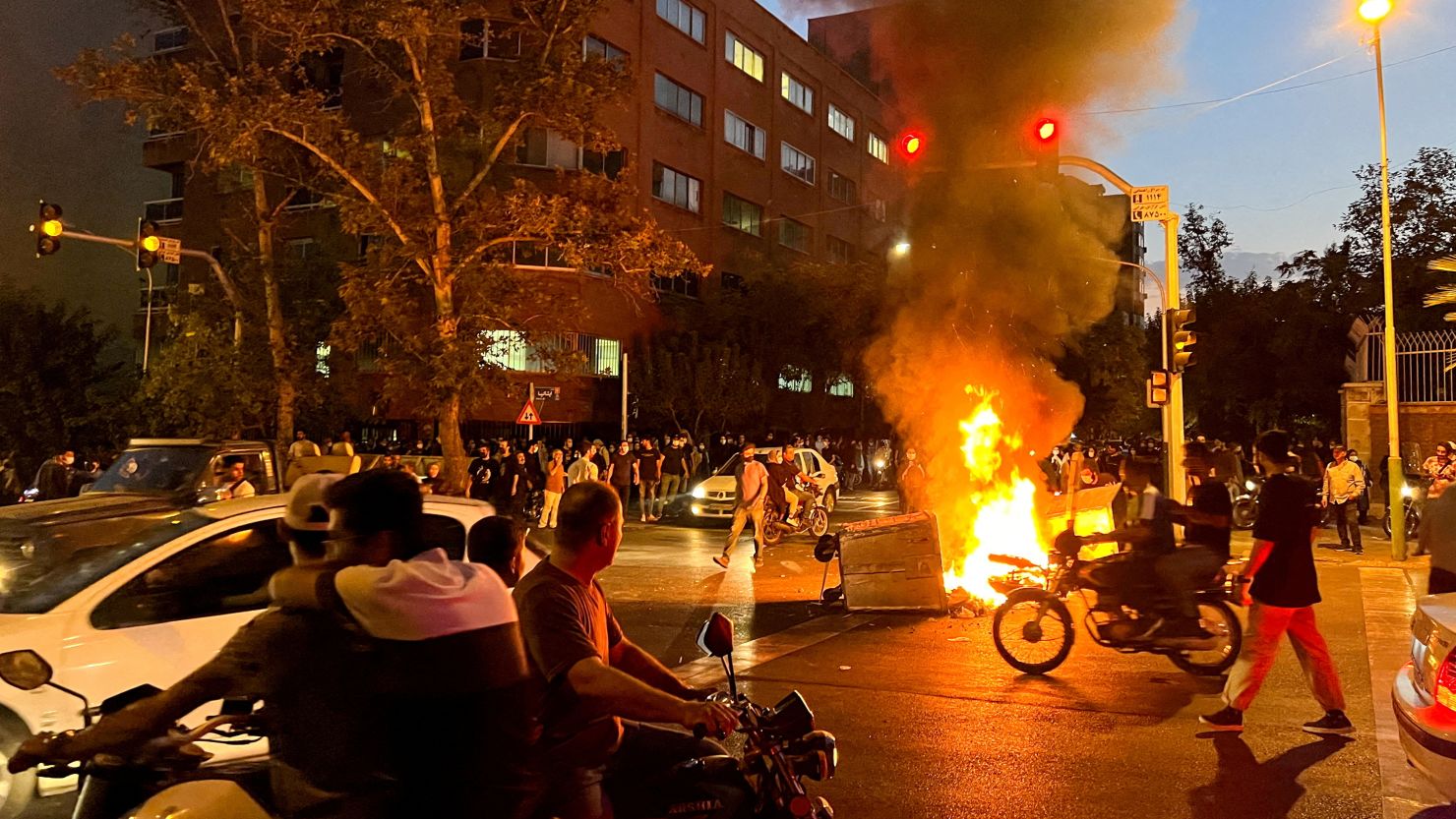
Protests that began on 28 December 2025 in Tehran’s Grand Bazaar have sparked a period of unrest in Iran, continuing into January 2026 and spreading across multiple cities nationwide, including Mashhad, Qazvin, Abdanan, Shiraz, Bandar Abbas, Zanjan, Ilam, Malekshahi, Shahrekord, Yazdanshahr, Kavar, Asadabad, Babol, Marvdasht, and Borujerd.
Initially sparked by rising living costs and a 42 percent decline in the value of the Iranian currency (rial), the protests expanded to express frustration over governance, political repression, and deteriorating economic conditions.
How it Began
The wave of demonstrations began following a drop in the value of the rial, which hit a record low of roughly 1.45 million rials per U.S. dollar in late December 2025, down from around 420,000 rials per dollar earlier that year.
In late 2025, traders reported the rial trading near 1.42 million to the dollar on the free market, a historic low that fueled protests and added to consumer hardship as Iranians faced soaring prices.
This currency crisis has then driven inflation higher to about 42.2 percent, leaving many Iranians struggling to afford basic necessities. Merchants in Tehran’s central bazaars were among the first to strike and protest as they could no longer operate under such unstable conditions.
As the prices of essential goods, like food, continued to soar, economic frustration turned into widespread public anger and demonstrations.
Criticism of the Government
What began as protests focused on inflation and the economic crisis soon evolved into criticism of the government. Demonstrators articulated long-standing grievances regarding restrictions on political freedoms, corruption, and the state’s poor economic management.
This shift in focus mirrored past waves of unrest in Iran over the last two decades, where economic pressures often served as catalysts for larger political movements.
In response to the unrest, on 3 January 2026, security forces employed heavy-handed tactics, including riot police, tear gas, and, in certain areas, live ammunition.
According to the U.S.-based Human Rights Activists News Agency, at least 116 people have been killed so far, including four medical personnel, one prosecutor, and 37 members of the security forces.
Oslo-based Hengaw Organization for Human Rights reported it had verified the identities of 50 people killed by direct gunfire from Iranian government forces.
According to Al Ahram, Iranian officials attributed the unrest to “foreign interference,” a narrative Tehran has repeated during the current protests by accusing the United States and Israel of attempting to stoke instability.
Exiled political figures such as Reza Pahlavi, son of Iran’s last shah, issued statements supporting the protests, calling for protesters to resist the government.
However, analysts such as Sanam Vakhil, director of the Middle East and North Africa programme at Chatham House in London, note that the demonstrations inside Iran remain largely decentralized and lack a unified leadership.
U.S.Current Relationship with Iran
Meanwhile, Iran has maintained communication with U.S. officials, including envoy Steve Witkoff, before and after the recent protests, according to Foreign Minister Abbas Araghchi.
He emphasized, however, that Washington’s proposals and threats are “incompatible” with Iran’s position. The White House indicated that Iran’s private messaging differs from its public rhetoric, while warning that military options remain on the table.
Pro-government demonstrators also took to the streets in support of the regime, with state media broadcasting chants against the U.S., Israel, and other perceived enemies. Iran’s attorney general warned that protest participants could face death penalty charges as “enemies of God.”
President Donald Trump imposed 25 percent tariffs on countries trading with Iran, including Brazil, China, Russia, Turkey, and the UAE, as a response to the crackdown on protesters. Trump suggested that Iran seeks negotiation, but warned that force could be used if necessary.
Comments (0)