


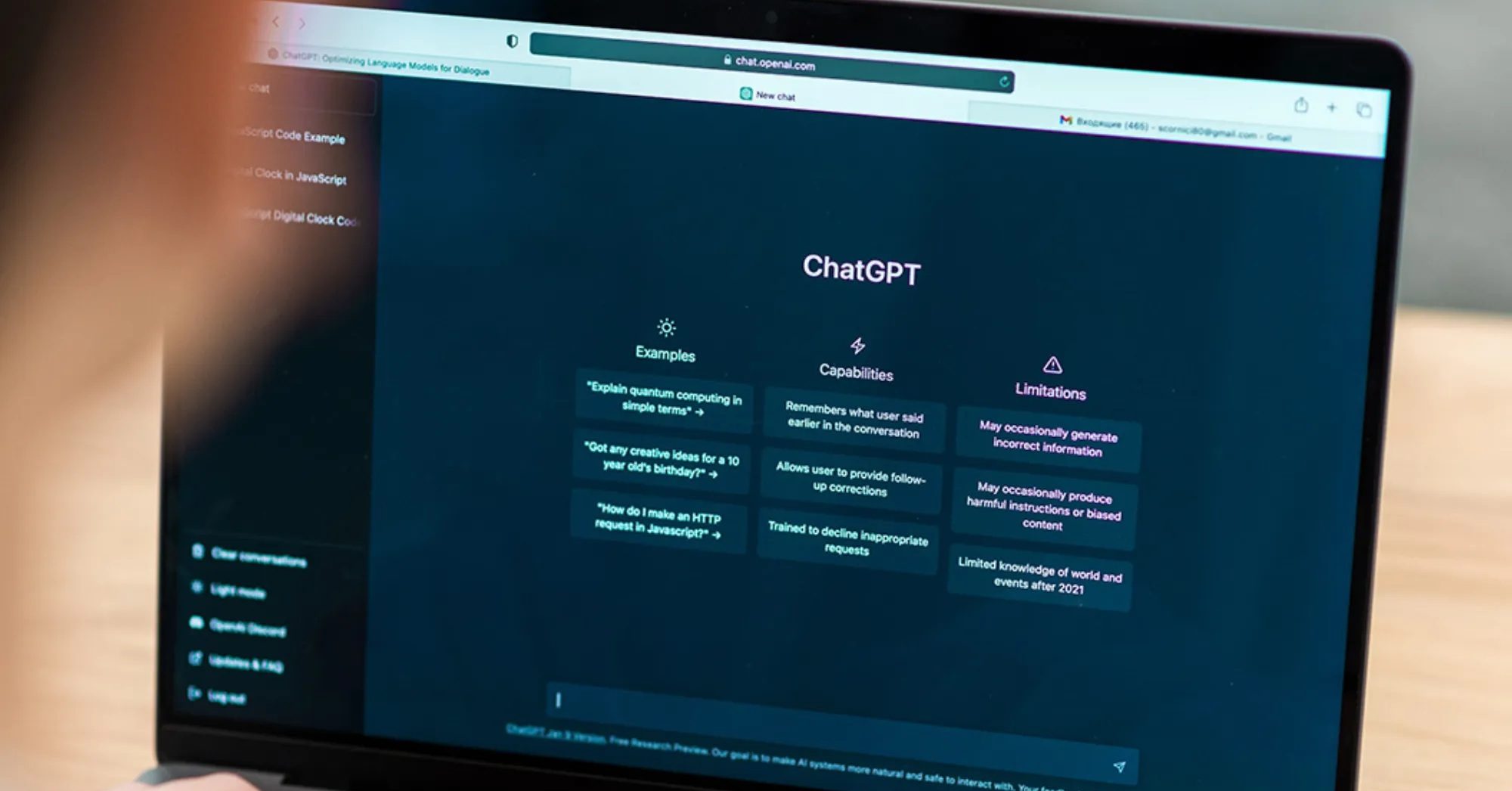
Language in Egypt has regularly evolved with technology, and now, artificial intelligence (AI) and Large Language Models (LLMs), such as ChatGPT, are shaping written and spoken language in Egypt and worldwide. The sweeping linguistic shift appears in academic and professional writing, and in digital spaces too.
Egyptians, to this day, say “LOL,” laughing out loud, casually in everyday speech, and write it in the Arabic language on social media —a returning ghost from a past when instant messaging dominated online communication in the late 1990s and early 2000s and changed how people text and talk.
People were using MSN Messenger worldwide, with shorthand words like LOL (laugh out loud), LMAO (laughing my a** off), and BRB (be right back) working their way from chat windows into everyday speech, including the digital culture in Egypt, too.
Similarly, Instagram and Twitter, currently named X, brought their own vocabulary shift and introduced the new word “hashtag,” whereas people say “hashtag” mid-phrase casually in spoken English.
Now, AI is repeating that pattern, but the scale and speed of the shift are unprecedented.
A 2025 report from the Max Planck Institute for Human Development found that frequent use of large language model AIs like ChatGPT is measurably changing how people speak out loud. A cluster of words that these models tend to favor has made it into speech, such as “delve,” “meticulous,” “realm,” “intricate,” “tapestry,” and “underscore.”
Words such as “pivotal,” “plethora,” or “vibrant” show up unusually often in blog posts, work reports, and LinkedIn posts. These AI-tinged phrases are quietly becoming shorthand for what “professional” communication is supposed to sound like, worldwide and in Egypt.
Researchers at Max Plan Institute advised in 2025 to pay attention to that phenomenon, as the more people use these tools, the more they absorb and reuse AI’s linguistic patterns.
What This Looks Like in Egypt
In Egypt and across the Middle East, ChatGPT is used daily, particularly among students, young professionals, and entrepreneurs. With more than 60 percent of the region’s population under 30, adoption has been rapid and wide-ranging. According to a 2024 study by Amr Assad, a digital media professor, Egyptian students use the tool for tutoring, translation, and essay writing.
It is also advocated by people. A social media user, Ahmed Sysy, shared on Facebook for his friends and followers how AI can help students cover their full curriculum, boost productivity, and save time and effort by summarizing content, creating flashcards, generating quizzes, and building study schedules.
Startups also lean on it for market research and proposals. Professionals in the technology sector use it for coding assistance and client communications.
The tool is also reshaping academic culture as well. Researchers now use AI in conducting studies and theses, and while university professors tolerate it for translation, they have grown skilled at detecting AI language in writing
The Bigger Risk
The deeper concern, however, is that AI-generated language becomes the dominant voice online. Linguistic diversity could quietly narrow until all writings, academic, scientific, creative, or narrative, start to sound the same.
Since these models are designed to produce text that feels smooth, neutral, and professional, they tend to sand away the quirks, regional textures, and idiosyncrasies that make human expression interesting.
Human writing varies in sentence lengths, creating rhythm and emphasis, while AI writing averages similar lengths and sounds monotonous, using predictable prose with a neutral and clear tone.
When writing a resume profile summary, ChatGPT would take this sentence, “I am a writer who is interested in sharing stories, spreading awareness on important social issues, and widening horizons,” and give various alternatives that did not sound engaging.
ChatGPT provided three options. The first was “Writer focused on telling impactful stories, raising awareness of social issues, and broadening perspectives.” The second was “Writer dedicated to telling compelling stories, highlighting social issues, and expanding perspectives.” The final option was an alleged professional rewrite “Writer with a focus on impactful storytelling, social awareness, and broadening perspectives.”
All three rewrites are interchangeable, but devoid of the writer’s personal voice and less distinctive. The changes point to a shift where personal expression is giving way to a standardized and uniform style.
While AI was originally trained on human-generated text, absorbing our language and cultural patterns, now, it appears, the process is beginning to run in reverse, and humans may be learning from it. The Max Planck researchers describe the process as “a closed cultural feedback loop.”
While machines were once shaped by human culture, they are currently reshaping it. Where that feedback loop leads is a question linguists, educators, and everyday writers are only beginning to grapple with.






Comments (0)