


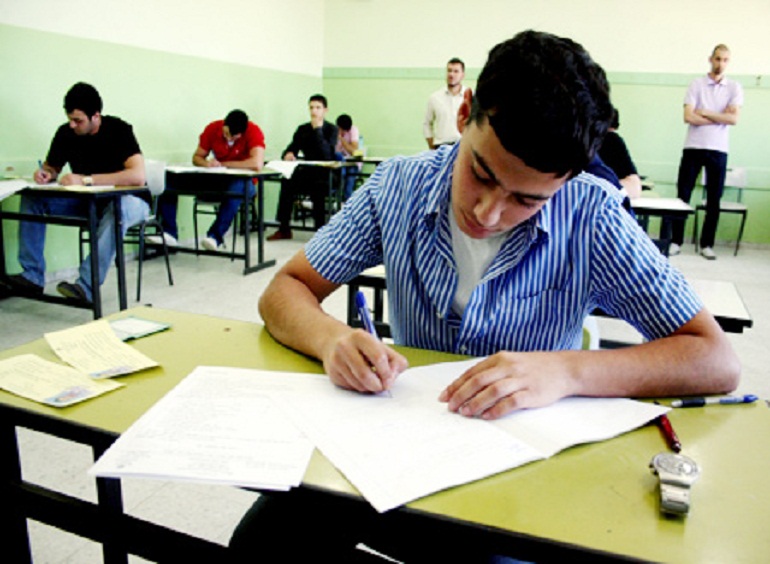
According to a statement published by the Egyptian Council of Ministers, 21 June marked the start of Egypt’s final year high school examinations, with 921,709 students beginning examinations that will influence their future university admissions and career ambitions.
Commonly known as the Thannaweya Ammah, these exams play a vital role in the academic development of Egyptian students, with scores determining the university colleges students enter.
While some subjects are compulsory, students will sit different exams depending on their choice of academic stream, with options ranging from mathematics and science to literature. Across 613 examination complexes nationally, students were instructed to be at examination halls by 8:50 a.m. starting with ‘non-core subjects’, such as religious education, requiring 70 percent to pass.
This year, 918, 306 students will sit the new examination system, leaving 3, 403 taking the old version.
For students sitting the new system of exams, examination in their second language will be marked on a pass-or-fail basis, while for students taking the old system, these exams will contribute to their overall score, according to Egypt Today.
For all students, subjects such as physical education and religious education will not count toward the final total.
Multiple-choice questions make up the majority of this year’s questions. While non-core subjects are based entirely on multiple-choice, core subjects reserve 15 percent of their questions for essays, with the remaining 85 percent multiple-choice.
Students’ performance in Arabic and the first foreign language are crucial, making up over 40 percent of the overall score. Arabic alone counts for 80 marks, while specialised exams such as history and biology, determined by the student’s stream, are worth 60 marks.
Students sitting mathematics will take two examinations, in pure and applied mathematics. Each exam counts for 30 marks.
For decades, Egypt’s national examination system has been criticized for its over-reliance on memorization, a concern reflected in the country’s ranking of 87 out of 195 in the Global Knowledge Index 2025 report.
Since 2018, Egypt’s Ministry of Education has been working to shift focus away from rote learning and exam-based assessment toward a skills-based learning system. The reform effort, spanning 2024 to 2029, targets all segments of education, from pre-primary to special education schools, with a strong emphasis on digital transformation.
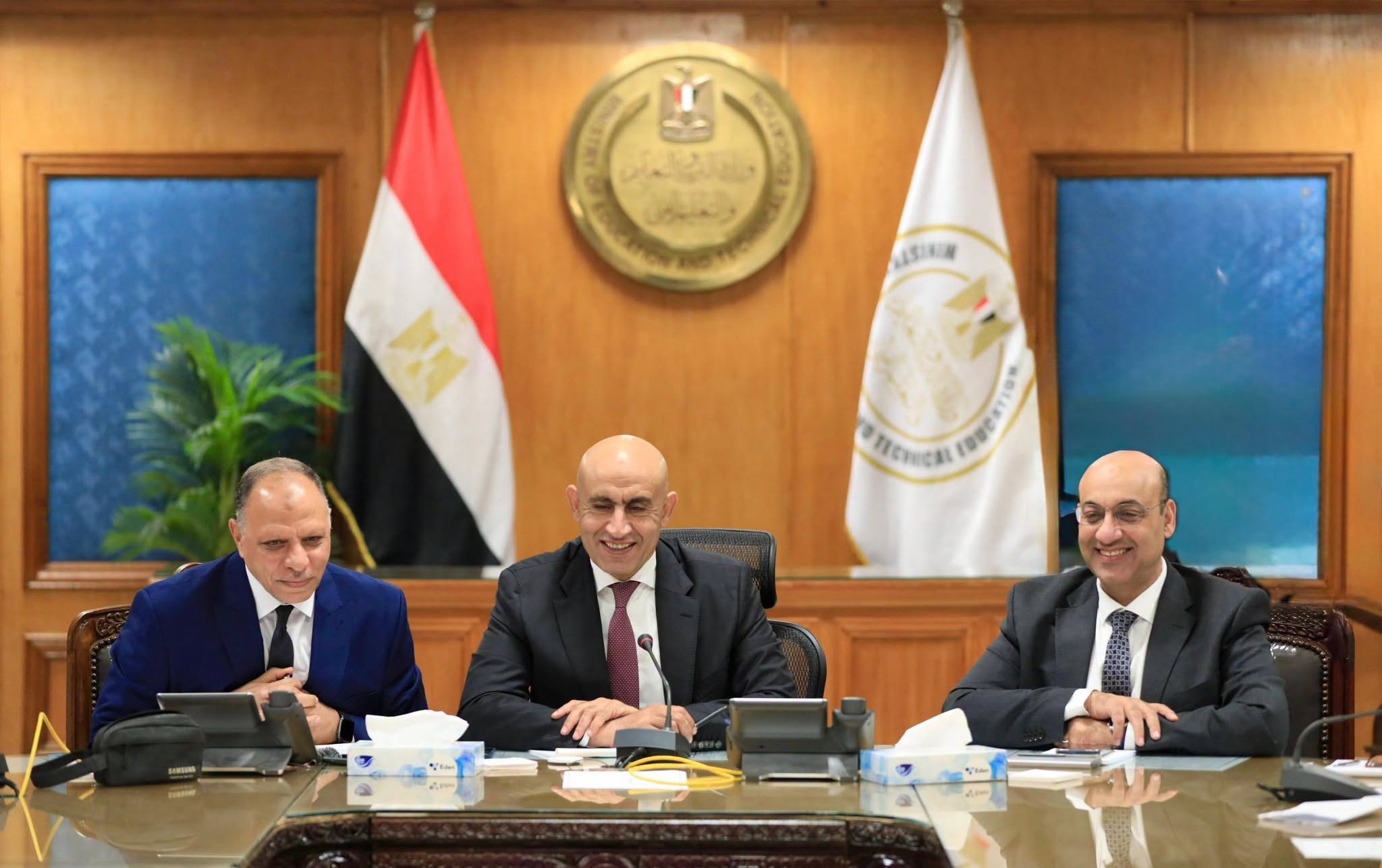
Central to the Ministry’s strategic plan is a transition from memorization to competency-based education, to be achieved through reforms in curriculum, teaching methods, and assessments.
According to the Ministry of Education, Education Minister Mohamed Abdel Latif has been monitoring examination complexes throughout the day from the Central Operations Room at the ministry.



Comments (2)
Right on the money ادموند!
أحسنت صنعا إدموند، بداية مهنة الكتابة اللامعة