


Exploring the Egyptian food scene immerses you in thousands of years of agricultural history along the Nile River. If you are wondering what is Egyptian food at its core, you will immediately taste the rich spices, hearty legumes, and slow-roasted meats that define traditional North African cooking.
Planning a travel itinerary can feel as stressful as managing a heavy college course load. Just as a busy student might pay an academic help service to write my essay to save time, you can use this curated guide to quickly find the best local meals. Delegating the research lets you focus entirely on enjoying your upcoming vacation.
By skipping the overpriced tourist traps, you ensure your travel budget goes toward truly authentic Egyptian foods. To give you a deeper appreciation for the culinary dedication behind these meals, here is a quick overview of the traditional cooking times for all the specific dishes covered in our guide.
Average preparation times for traditional Egyptian staples
| Dish name | Primary ingredient | Traditional cooking time |
| Ful medames | Fava beans | 8 to 12 hours |
| Koshari | Rice and lentils | 45 minutes |
| Molokhia | Jute leaves | 30 minutes |
| Taameya | Fava beans | 15 minutes |
| Hawawshi | Minced beef | 30 minutes |
| Macarona béchamel | Penne pasta | 1.5 hours |
| Fatteh | Toasted bread and meat | 1 hour |
| Om Ali | Pastry flakes and milk | 45 minutes |
| Mahshi | Mixed vegetables | 1.5 hours |
| Basbousa | Semolina flour | 45 minutes |
Koshari
This beloved national dish combines lentils, macaroni, rice, and chickpeas under a thick blanket of spicy tomato sauce. The meal originated in the nineteenth century as a clever way for working-class families to utilize leftover pantry staples.
Vendors top the massive carbohydrate pile with crispy fried onions and a splash of sharp garlic vinegar. When searching for the best food from Egypt, you will find dedicated koshari carts on almost every busy street corner in Cairo serving hungry workers during their lunch breaks.
Locals typically customize their warm bowls using these condiments:
- Chili flakes
- Garlic juice
- Extra fried onions
- Cumin powder
Ful medames
You will start your morning exactly like a true local by eating this famous Egyptian food, a slow-cooked fava bean stew. Dating back to the time of the Pharaohs, this hearty recipe represents the true historical backbone of the nation’s daily diet.
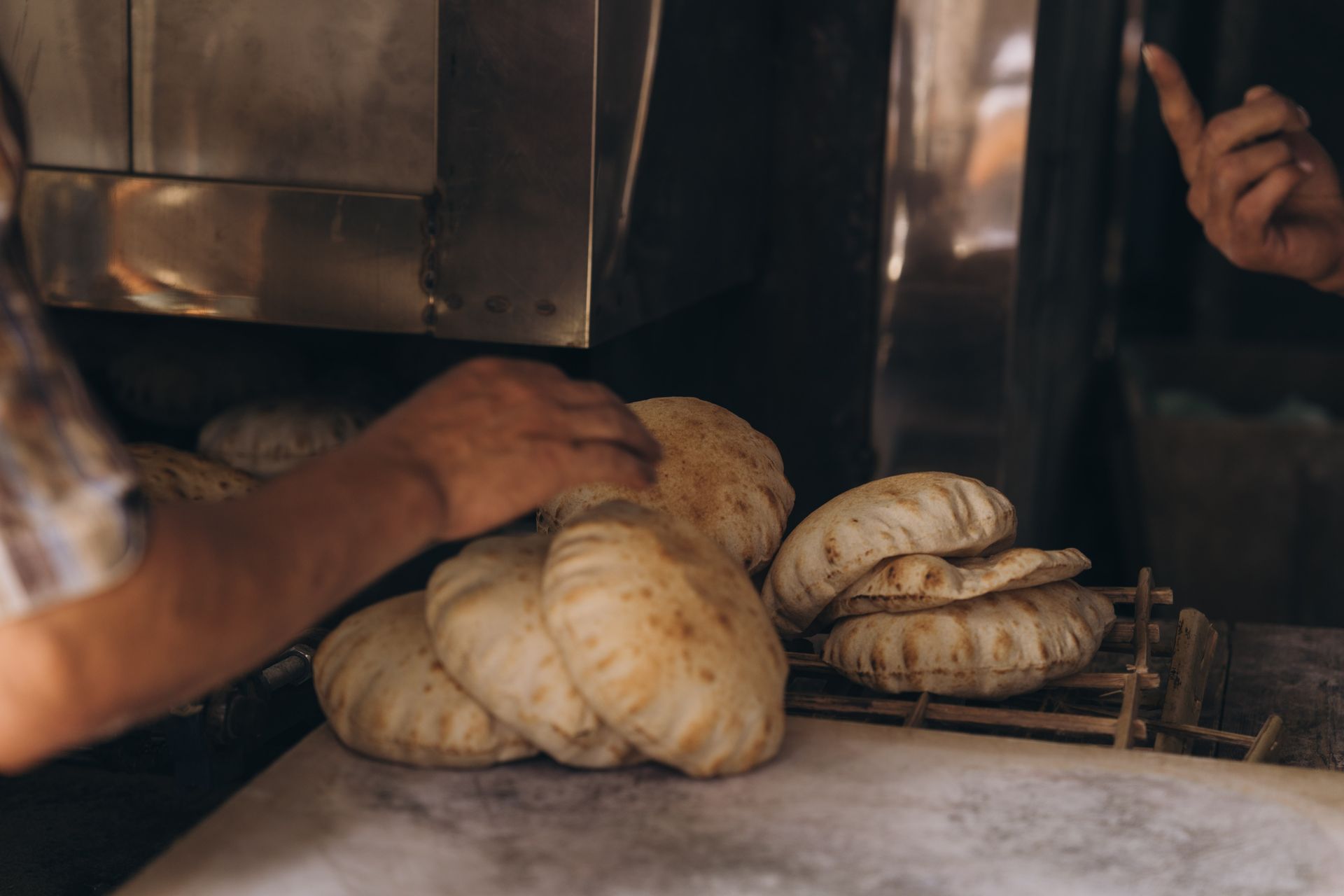
Cooks simmer the raw beans overnight in massive narrow-necked copper pots until they break down into a rich, buttery paste. You scoop the warm dip directly out of the bowl using fresh, balloon-like baladi bread.
Molokhia
This vibrant green soup is a classic Egyption food that gets its unique, slippery texture from finely chopped bitter jute leaves. The dark green leaves contain high levels of iron and vitamin C, making this savory broth incredibly nutritious.
Chefs finish the dish by pouring in a sizzling mixture of crushed garlic and coriander fried rapidly in rich ghee. The soup is traditionally served alongside a freshly roasted chicken and a massive plate of vermicelli rice.
Taameya
Egyptian falafel uses crushed fava beans instead of standard chickpeas to create a remarkably fluffy, bright green interior. The batter relies on massive handfuls of fresh herbs like parsley and coriander to achieve its signature vibrant color.
Street vendors fry these thick patties in massive vats of bubbling oil until the sesame seed crust turns completely golden brown. It stands as the ultimate vegetarian Egpytian food option when wandering through bustling outdoor markets.
You will usually find these fresh ingredients stuffed inside a standard taameya sandwich:
- Sliced tomatoes
- Pickled turnips
- Tahini sauce
- Fresh arugula
- Fried eggplant slices
Hawawshi
This savory Egptian food consists of spiced minced beef baked entirely inside a pocket of traditional flatbread. Butchers blend the raw beef with onions, green peppers, and a heavy dash of allspice before generously stuffing the dough.
The bread absorbs all the rich meat juices while crisping up in a scorching hot wood-fired oven. It perfectly hits the spot when you crave a heavy, protein-packed lunch while exploring the city on foot.
Macarona béchamel
You will experience Egypt’s unique take on baked pasta through this towering casserole of penne, spiced ground beef, and thick cream sauce. This dish clearly showcases the historical Mediterranean and Greek influences on modern Eyptian food.
The heavy béchamel topping bakes into a firm, golden crust that physically holds the massive pasta squares together. Families almost always prepare this comforting, carbohydrate-heavy centerpiece for large holiday gatherings and celebratory dinners.
Fatteh
This celebratory feast layers crispy toasted bread, garlic-infused rice, and tender chunks of boiled lamb or beef. The sharp bite of garlic and white vinegar perfectly cuts through the heavy fat of the roasted meat.
A tangy tomato sauce is poured generously over the top of the rice right before serving. While heavily associated with major Islamic holidays, you can still easily find it in specialized restaurants year-round.
Om Ali
You will satisfy your sweet tooth with this rich bread pudding made from soaked pastry flakes, hot milk, and mixed nuts. Legend claims this warm dessert was invented to celebrate a major historical victory during the Mamluk era.
Bakers sprinkle the top layer with powdered sugar and broil it until a sweet, caramelized crust forms. Eating it warm provides a highly comforting end to an aggressively spiced dinner.
Standard garnishes baked into this iconic dessert include:
- Golden raisins
- Crushed pistachios
- Shredded coconut
Mahshi
These bite-sized vegetarian appetizers feature hollowed-out vegetables stuffed tightly with a heavily herbed tomato and rice mixture. The raw rice filling is mixed with fresh dill, parsley, and mint to create a highly aromatic bite.
Cooks simmer the packed vegetables in seasoned chicken broth until the rice expands and becomes perfectly tender. It requires immense patience to prepare by hand, making it a true labor of culinary love.
Home cooks regularly stuff these specific vegetables to make mahshi:
- Zucchini
- Bell peppers
- Grape leaves
- Cabbage
- Eggplants
Basbousa
This dense, syrupy cake is baked from a thick semolina batter and immediately drenched in a fragrant rose water glaze. The addition of sweet yogurt in the batter keeps the cake incredibly moist for several days without spoiling.
The coarse semolina flour gives the dessert a distinct, crumbly texture that melts instantly in your mouth. Finding a fresh batch is incredibly easy since almost every local bakery displays these recognizable diamond-shaped treats in its front windows.

Comments (0)