


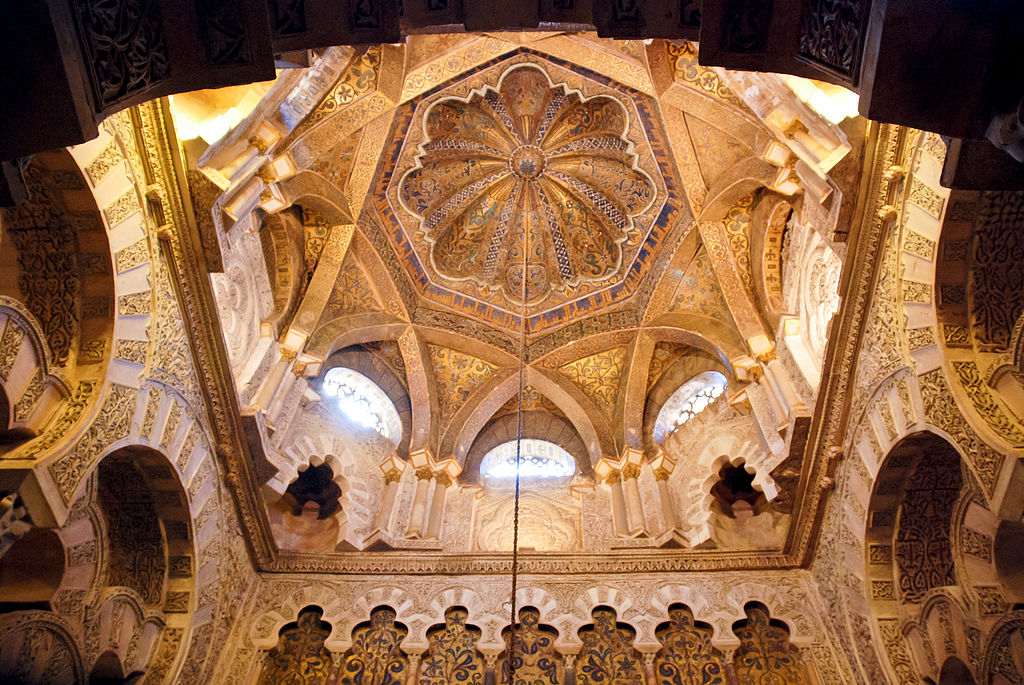
The pointed arches that rise over Notre-Dame Cathedral in France and Canterbury Cathedral in England may owe part of their lineage to a ninth-century mosque beside the Nile, according to Diana Darke, an Oxford-educated Arabist. Egyptian and Mamluk architecture reached Europe in two distinct waves over the years. Firstly through medieval trade and cultural exchange, and then again through the Orientalist and Revivalist movements of the 19th and 20th centuries. Together they left a quiet network of monuments, from the cathedrals of France and England to a brick mosque in Lithuania, that trace their design vocabulary back to Cairo. The Medieval Transmission The earliest and most consequential exchange involved the pointed arch. Structures such as the Ibn Tulun Mosque in Cairo, completed in the ninth century, helped popularize the form. Amalfi merchants, Italian medieval traders and seafarers, carried it to southern Italy, and it later surfaced in French Gothic cathedrals, including Notre-Dame, and in England at Canterbury. The arch likely traveled from Cairo through Italian trading ports to northern Europe, though how directly remains debated. Decoration traveled too, including Mamluk and Fatimid ornaments, such as arabesques, geometric patterning, and colored…