


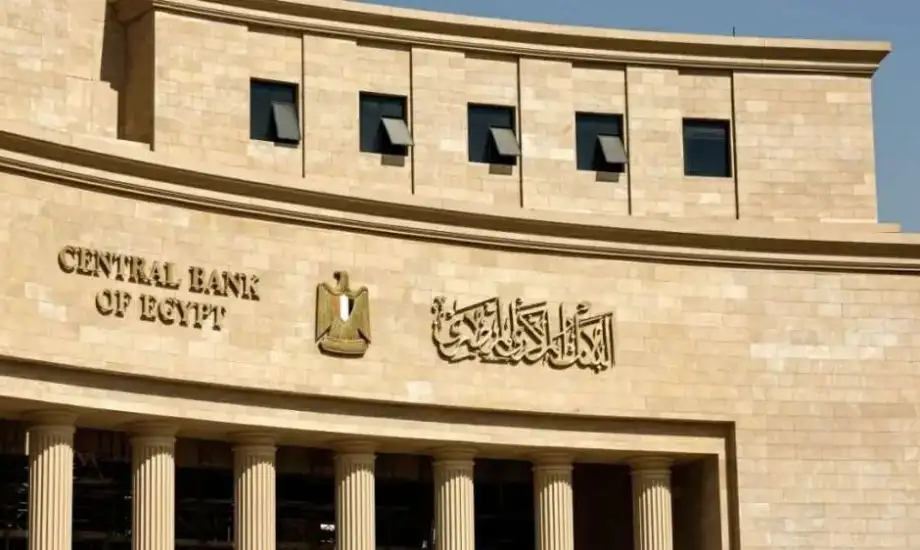
Egypt’s net international reserves rose to a record USD 52.59 billion (EGP 2.46 trillion) at the end of January 2026, according to data released by the Central Bank of Egypt (CBE) on Thursday, 5 February.
The figure marks an increase of about USD 1.14 billion (EGP 53.5 billion) from USD 51.4 billion (EGP 2.41 trillion) recorded at the end of December 2025. Compared to November, reserves rose by roughly USD 2.39 billion (EGP 112 billion), while total gains over 2025 stood at USD 4.19 billion (EGP 196.2 billion).
The steady rise in reserves has continued since March 2024, when the CBE introduced corrective monetary measures, including a six percent interest rate hike, aimed at curbing inflation, stabilising local markets, and boosting foreign currency inflows, particularly remittances.
As a result, reserves climbed to USD 41 billion (EGP 1.92 trillion) by the end of April 2024, their highest level in four years at the time, and have continued to rise since.
The increase comes as Egypt pursues broader fiscal and monetary reforms, including policies aimed at achieving economic growth through exports, private sector expansion, and human capital development. In 2025, the private sector secured USD 2.9 billion (around EGP 136 billion) in financing, accounting for around 65 percent of total investments.
These reforms are supported by the International Monetary Fund’s USD 8 billion (around EGP 375 billion) Extended Fund Facility and a USD 1.3 billion (around EGP 61 billion) Resilience and Sustainability Facility, for which a staff-level agreement was reached in December 2025. The IMF Executive Board is expected to review the programmes in the first quarter of 2026.
According to IMF projections, Egypt’s external position is expected to remain resilient in 2026, supported by foreign currency inflows and continued progress on structural reforms, helping the country meet its import and debt obligations.






Comments (0)