


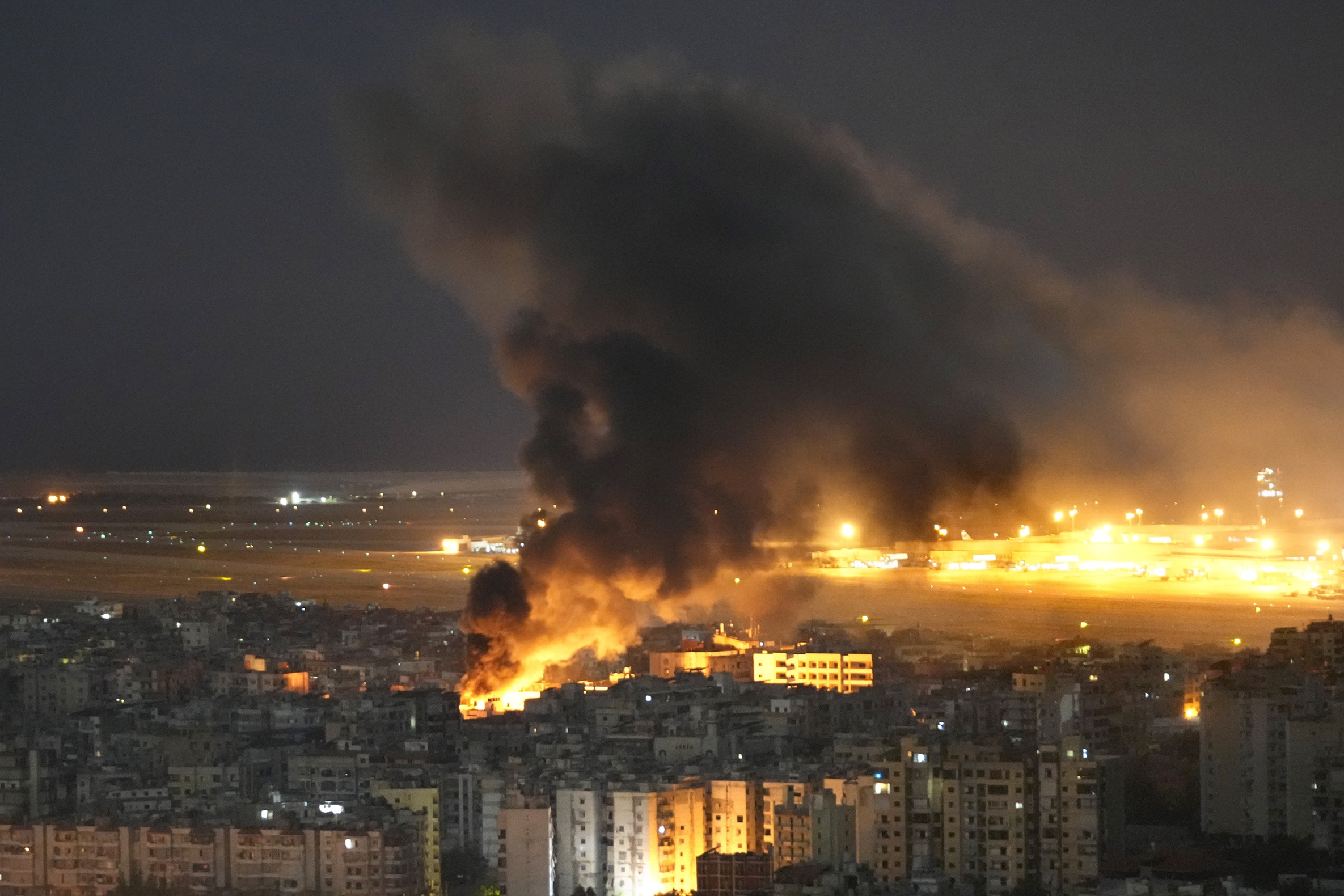
Iran’s President Masoud Pezeshkian apologized on Saturday, 7 March, for attacks on regional countries, as missiles and drones continued flying toward Gulf Arab states, in a development that laid bare the limited control the country’s political leadership appears to hold over its own armed forces.
In a video message, Pezeshkian said the country’s interim leadership council had directed the armed forces to stop strikes on neighboring countries unless attacks on Iran originate from their territory. He attributed the previous, unauthorized strikes to a breakdown in command, saying the armed forces had been operating under a kind of “fire at will” authority before the new directive was issued.
Pezeshkian explained that the loss of senior commanders and the country’s supreme leader following what he described as a “barbaric aggression” had left troops acting without orders, doing “whatever necessary” to defend Iranian territory.
The president made his remarks in a prerecorded address broadcast by state television, following repeated Iranian strikes on Bahrain, Saudi Arabia, and the United Arab Emirates earlier in the day.
On Friday night, 6 March, President Donald Trump demanded Iran’s “unconditional surrender,” and pledged that Washington and its allies stood ready to help rebuild Iran’s economy and elevate its standing, on the condition that the country installed leadership his administration deemed acceptable.
In response, Pezeshkian said this aspiration was a dream his adversaries would “take to their grave,” insisting that Tehran remained committed to international law and humanitarian frameworks.
The conflict, now in its second week, has killed at least 1,230 people in Iran, more than 200 in Lebanon, and roughly a dozen in Israel, according to officials in those countries. Six American service members have also died.




Comments (0)