


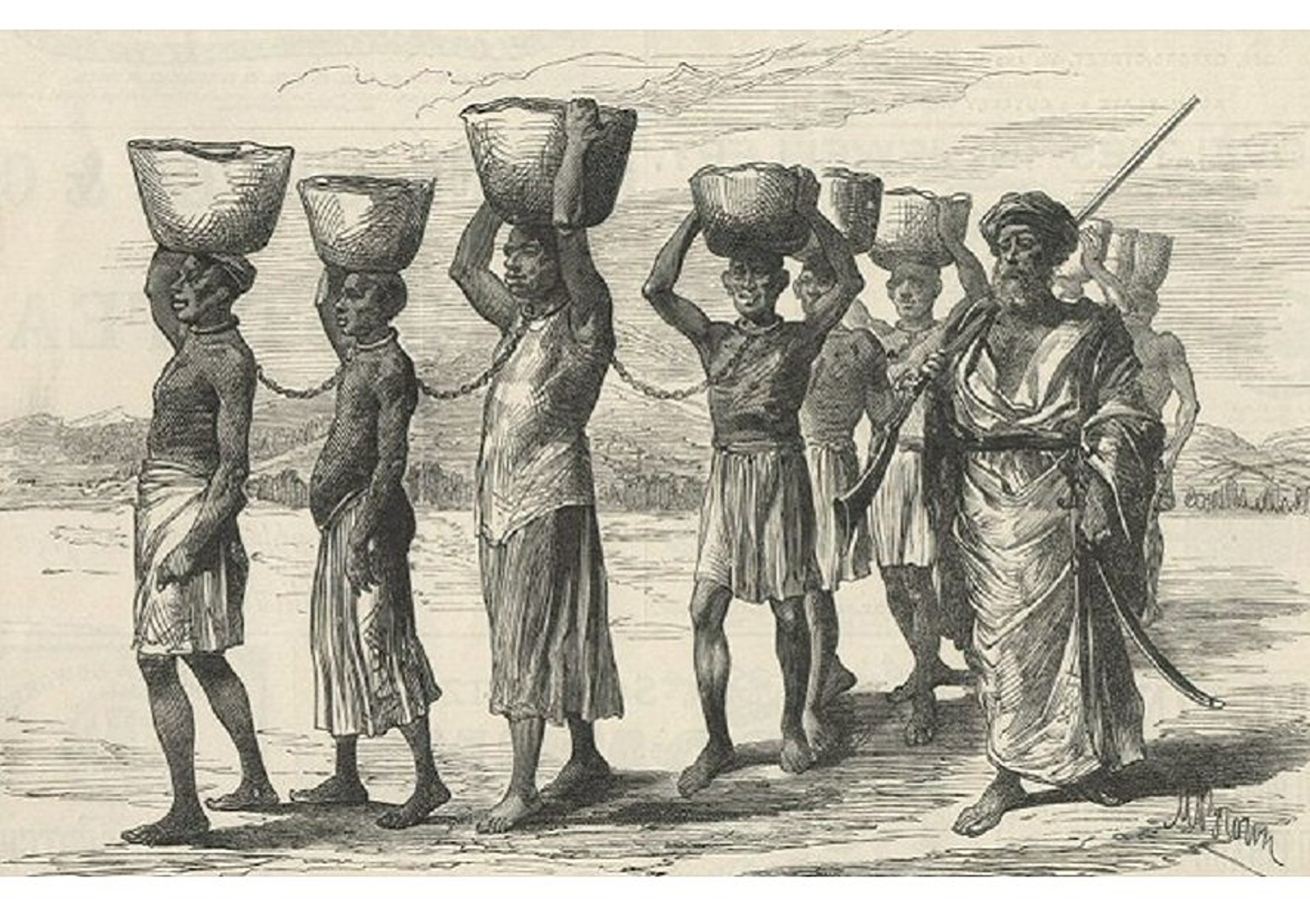
In a historic vote, the United Nations General Assembly has designated the transatlantic slave trade, and the racialized chattel enslavement of Africans, as “the gravest crime against humanity.”
Egypt joined 122 other nations in voting in favor of the resolution, which passed with 123 votes in favor, only three against (the United States, Israel, and Argentina), and 52 abstentions, including several European Union members and the United Kingdom.
The resolution, adopted to sustained applause at the UN headquarters in New York, while not legally binding, marks a significant step toward acknowledging one of history’s gravest injustices.
It calls on nations historically involved in the trade to pursue restorative justice, including formal apologies, the return of looted artifacts, and concrete measures to address the enduring legacy of racial discrimination and neo-colonialism that continues to affect people of African descent worldwide.
Ghanaian President John Mahama, a leading voice in the African Union’s push for reparations, addressed the Assembly directly: “Today, we come together in solemn solidarity to affirm truth and pursue a route to healing and reparative justice. The adoption of this resolution serves as a safeguard against forgetting.”
UN Secretary-General António Guterres reinforced the moral weight of the moment, stating: “The transatlantic slave trade was a crime against humanity that struck at the core of personhood, broke up families, and devastated communities. To justify the unjustifiable, slavery’s proponents and beneficiaries constructed a racist ideology, turning prejudice into a pseudoscience.”
Though non-binding, the text explicitly urges “restorative justice.” This includes formal acknowledgments of responsibility by former colonial powers, the return of cultural heritage stolen during the era of enslavement, and efforts to dismantle structural racism that persists today.
The transatlantic slave trade, often referred to as the African slave trade in discussions of this era, was the largest forced migration in recorded history. It began in the early 16th century when Portuguese traders first began shipping captured Africans to the Americas, rapidly expanding under the colonial powers of Britain, France, Spain, the Netherlands, and others.
In the Americas, the unpaid labor of enslaved Africans generated vast wealth for European empires and laid the economic foundations of the New World, while simultaneously institutionalizing a system of racial hierarchy and racism.






Comments (0)