


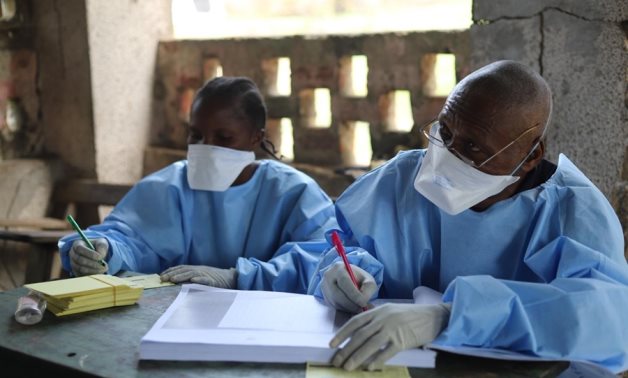
Egypt’s Ministry of Health and Population announced on Sunday, 24 May, that the country remains free of Ebola cases, stressing that the current risk to citizens remains low despite growing global concern over the virus.
Ebola is a severe viral disease that can cause fever, internal bleeding, and organ failure. According to the World Health Organization, past outbreaks have had fatality rates ranging from 25 to 90 percent depending on the outbreak and access to treatment.
In a statement, the ministry said it is closely monitoring international epidemiological developments following the World Health Organization’s (WHO) declaration of a global health emergency after Ebola cases were reported in several countries.
The ministry urged citizens to postpone non-essential travel to Ebola-affected countries and regions to ensure their safety. For those who must travel, authorities advised adhering strictly to preventive measures issued by local health authorities and avoiding direct contact with suspected cases or bodily fluids.
The statement also confirmed that Egypt has raised preparedness levels across all air, sea, and land entry points. According to the ministry, quarantine departments have intensified health screening procedures for arrivals coming from affected countries, with travelers monitored for 21 days.
Citizens experiencing symptoms such as sudden high fever, severe weakness, muscle pain, vomiting, diarrhea, or unexplained bleeding were advised to immediately seek medical attention or contact the ministry’s hotline at 105.
The ministry clarified that Ebola spreads only through direct contact with the bodily fluids of an infected person, including blood, saliva, and other secretions. It emphasized that the virus is not airborne and that infected individuals are not contagious before symptoms appear.
The Ministry of Health added that it continues to coordinate with the World Health Organization to monitor developments and update preventive measures as needed, while urging the public not to circulate rumors or rely on unofficial sources of information.
The virus was first identified in 1976 and outbreaks have occurred periodically since in parts of Africa, prompting international health monitoring and travel precautions.






Comments (0)