


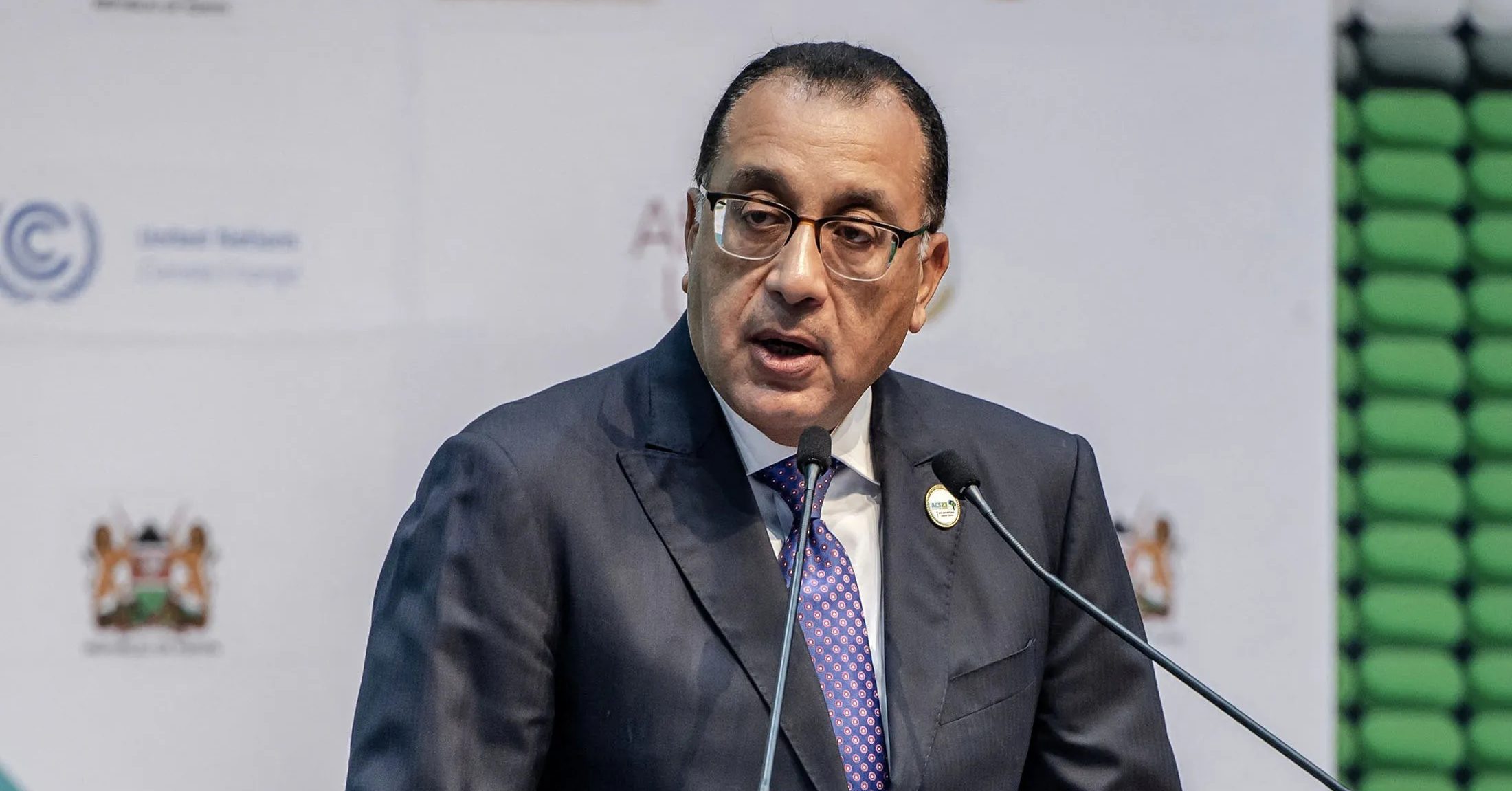
Egypt is not seeking a new financing arrangement with the International Monetary Fund (IMF) once its current program expires later this year, Prime Minister Mostafa Madbouly said on Thursday, 4 June, during a cabinet meeting.
Addressing reporters after the Cabinet’s weekly meeting, Madbouly said cooperation with the IMF remains on track and that the existing program is expected to conclude in December without the need for immediate negotiations on a successor agreement.
The Prime Minister used the briefing to outline key economic priorities for the coming fiscal year, including a package of tax breaks and property-related incentives aimed at attracting new investment and supporting private-sector activity. The government hopes the measures will encourage both local and international businesses to expand operations in Egypt.
Madbouly pointed to recent economic indicators as evidence of resilience, noting that growth has reached 5.3 percent despite continued geopolitical tensions across the region. He also highlighted the relative stability of Egyptian debt markets, arguing that investor confidence has remained intact even during periods of heightened regional conflict.
The government’s new budget will place greater emphasis on social services and industrial development, according to Madbouly. Spending on healthcare is set to increase by 30 percent, while education allocations will rise by 20 percent.
Officials are also moving ahead with plans to reduce the state’s role in parts of the economy. Several state-owned enterprises are expected to be offered on the Egyptian Exchange in the coming months as part of the government’s broader asset-divestment strategy.
Madbouly said Egypt is seeking to expand domestic production of pharmaceutical ingredients, accelerate renewable energy investments, and strengthen logistics infrastructure. Among the projects expected to be unveiled soon is a major logistics distribution center within the Suez Canal Economic Zone, a development the government views as central to its ambitions of becoming a regional trade hub.
Egypt’s IMF-backed reform program remains the subject of significant debate. Critics argue that the reforms have imposed high costs on households through repeated currency devaluations, higher prices, and declining purchasing power.



Comments (0)