


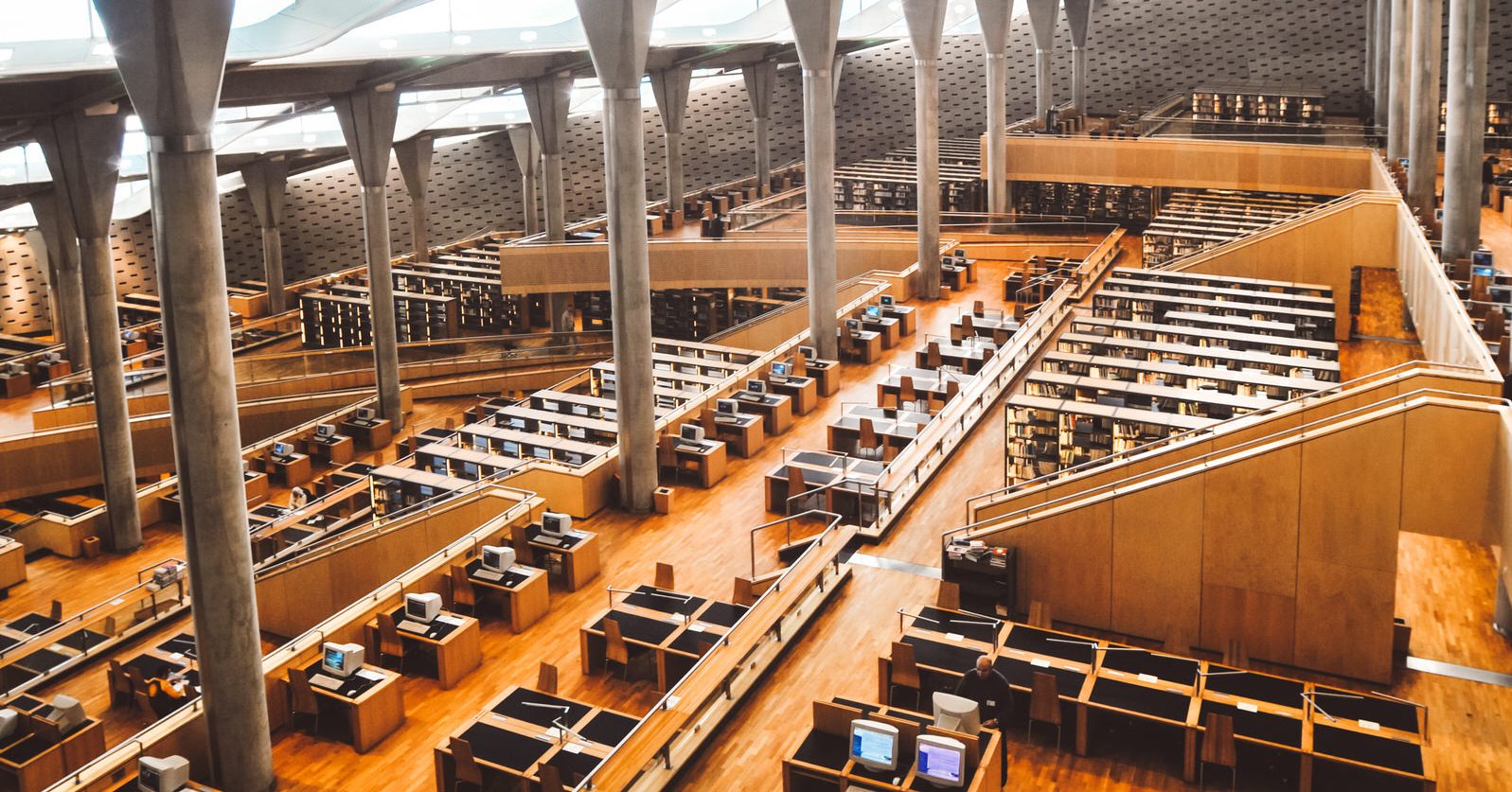
On the Mediterranean shore, where the sea wind carries salt, the memory of a library said to have held the ancient world’s knowledge stands. The Bibliotheca Alexandrina, opened in 2002 as a modern heir to that lost institution, wears its ambition on its outer wall, which is carved with letters from scripts around the world.
From 21 to 23 September, Egypt held a conference on national identity, under the patronage of President Abdel Fattah al-Sisi.
At the end of the conference, the Bibliotheca Alexandrina issued a national reference document, titled “Alexandria Document on National Identity,” that describes Egyptian identity as an inheritance thousands of years old, carried by its people, its language and its culture, and renewed by each generation.
The Alexandria Document on National Identity is a roadmap and strategic initiative that comes as Egypt, like many countries, faces pressure on its sense of self from globalization, digital media, and turmoil across the region.
The document portrays what it means to be Egyptian and identifies the forces that threaten that identity. It calls on families, schools, media, and religious institutions to preserve it and carry it forward to future generations.
A heritage rooted in the Nile
The strategic initiative’s writers are a committee of Egyptian scholars, cultural figures, and thinkers who trace Egyptian identity to the unification of Upper and Lower Egypt in the late fourth millennium B.C.
They argue that a shared homeland along the Nile and its delta, together with centuries of exchange with other civilizations, produced a common culture. They cite Article 47 of the Constitution, which obliges the state to protect Egyptian identity and its varied cultural sources.
According to the document, identity rests on shared foundations, such as collective historical memory, spiritual and moral values rooted in religion and Egypt’s civilizational heritage, a common language, and national symbols.
Together, they bind Egyptians through a citizenship the Constitution guarantees. This identity is continuous in its foundations but evolves in how it is expressed. It is broad enough to include Egypt’s Arab, African, and Mediterranean ties.
The document lists eight pillars of Egyptian identity. They include the unity of the land, an unbroken historical memory, the Arabic language, shared values, cultural heritage, national symbols, equal citizenship, and a strong sense of belonging that cuts across class and region.
Identity, however, is not fixed, according to authors. It strengthens or weakens with economic, social, political, and technological change, they argue, and so needs constant attention from the state, civil society, scholars and the public.
They warn of fast-moving digital influence, consumer culture, weakening social ties, misinformation, hate speech and attempts to distort shared history or erode public trust.
Young people and children are the most exposed to weak social ties, misinformation and hate speech.
Digital age threats
Language, in particular, receives special attention. Arabic is the main vehicle for passing identity between generations, and it warns that the language is losing ground in science, education, and online, and that foreign languages are replacing it in some areas of public life. The document also warns that language differences in schooling could widen gaps between social groups. It stresses that learning foreign languages is important but should not displace the mother tongue or stigmatize those who study in Arabic.
Family is the first place Egyptians acquire language, values, and taste, and mothers in particular are credited with passing down oral traditions such as stories, proverbs, and songs. While economic pressure, changing family structures, and the digital world are straining that role, it calls for stronger family support and more dialogue between generations.
The document also sets out strategic goals, including teaching Egypt’s history as one continuous journey and protecting tangible and intangible heritage; promoting Arabic in education and digital spaces, supporting translation to and from Arabic, and encouraging young innovators. It also calls for respecting Egypt’s regional diversity, with priority for remote areas, poorer groups and people with disabilities, and for building digital literacy among young people.
The authors leave the practical work to others, expecting the conference papers and discussions to be turned into programs run by ministries, civil society groups and individual initiatives. They call for the conference to be held every September, with additional seminars involving governorates, universities, youth centers, and media outlets.




Comments (0)