

Egyptian music is often associated with high energy, bold sounds, and celebratory moments, but this year was a little different.
There was a collective return to warmth, emotional depth, and lyrical honesty, and a willingness to speak openly about real life and its heavier moments, from grief and loss to uncertainty and personal struggle.
Rather than masking pain with spectacle, many artists chose to sit with it, allowing vulnerability to shape their work.
Stepping away from glitz and glamour, Egyptian musicians cut through the noise and turned inward. The focus moved toward reflection, self-examination, and the kinds of emotions people often avoid or silence in everyday life.
Below are some of the standout Egyptian releases from this year that lingered, resonated, and pushed us to think and feel a little more deeply.
Tarat Tarat Tat by Lella Fadda
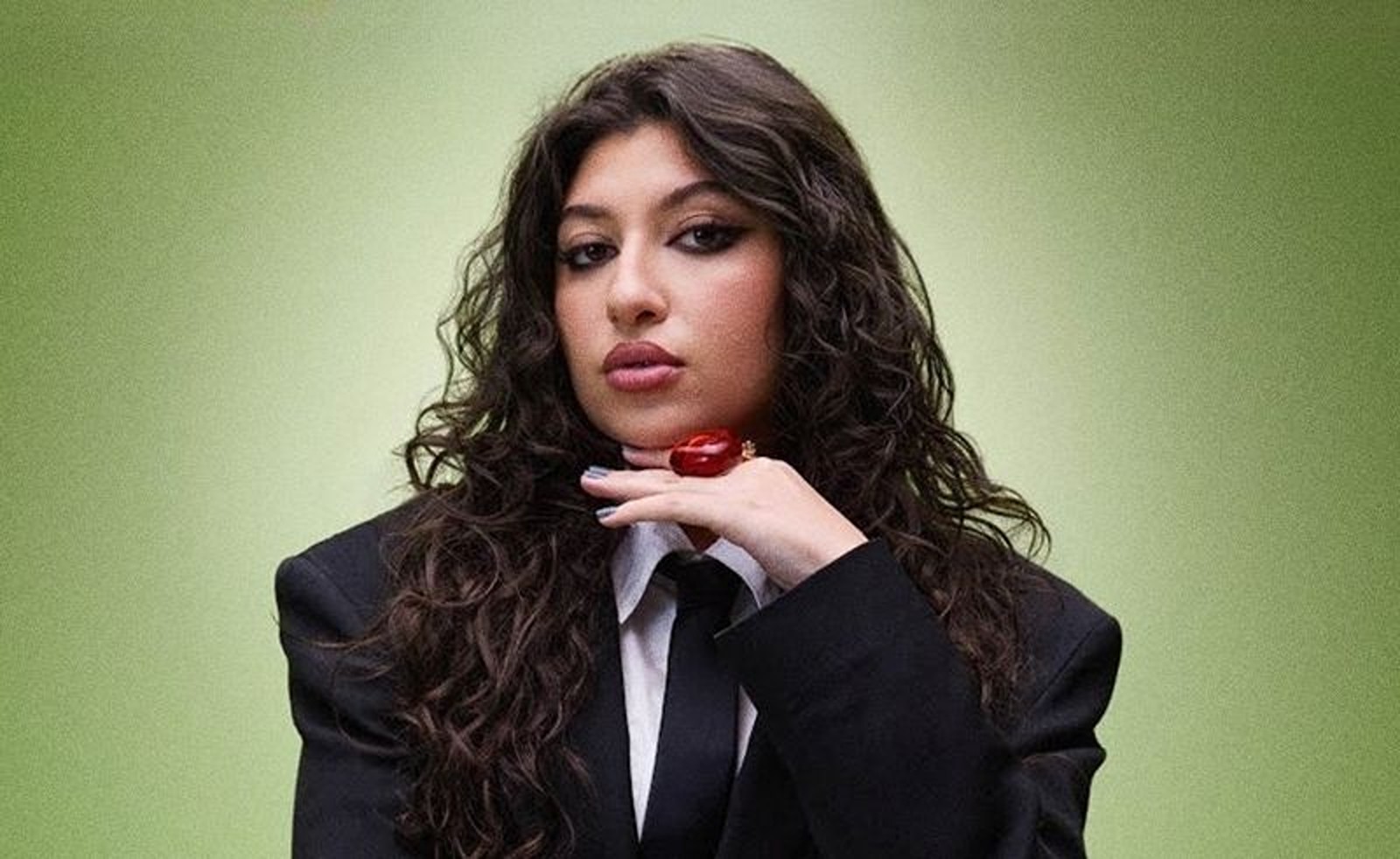
“You always want me available for you, like a buffet” is one of the many striking lines that anchor Tarat Tarat Tat (2025), a track by Egyptian-Italian singer, songwriter, and rapper Lella Fadda. Released earlier this year and produced by her longtime collaborator Abyusif, the song sparked conversations around how women are spoken to and treated, not only by romantic partners, but within the family and the home.
As the verses unfold, stacked carefully atop one another, each line lands with intention, almost like a sequence of small, cumulative acts. Fadda draws attention to the everyday language so often dismissed as harmless, exposing how words like “nakadeya” (depressing), a label frequently used to reduce women to being “too negative” or “always complaining,” shape a woman’s sense of self, her confidence, and her place in the world.
The song closes on a powerful note, as she says, “My only sin was not doing exactly as you told me.” It’s a line that lingers long after the track ends, forcing the listener to question how the idea of “sin” is defined, weaponized, and used as a tool of control, particularly when obedience is expected and autonomy is treated as defiance.
TAQATO3 by Marwan Moussa
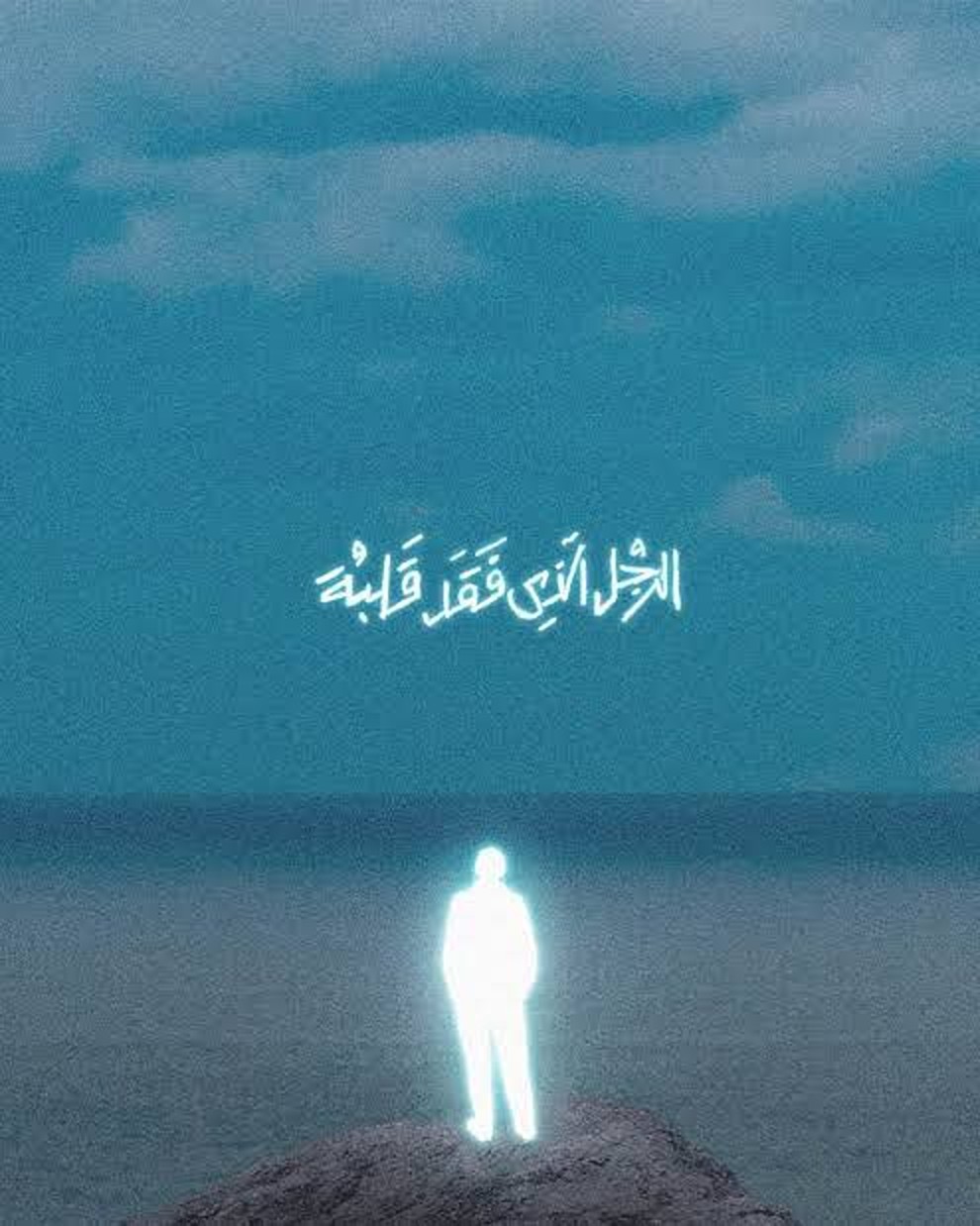
Sampling Mohamed Mounir’s iconic Shagar El Lamoon (Lemon Tree, 1981), Marwan Moussa’s TAQATO3 (Interruption, 2025) stands out as one of the most intimate moments on the album The Man That Lost His Heart (2025). The track unfolds as a deeply emotional meditation on grief, tracing the disorienting stages that follow the loss of the artist’s mother, and the stark realization of standing at a crossroads, torn between ambition and burnout, presence and disappearance.
Many young Egyptians find themselves in its reflections, even without having recently lost someone close. It captures a broader state of uncertainty, where the future feels fragile and the limits of success remain unclear.
Throughout the lyrics, he reflects on entering the music industry almost by accident, only to discover how unforgiving and transactional it can be. Fame feels fleeting, as today you can be trending, while tomorrow you can be forgotten. The industry is likened to a stock market where the artist is the commodity, valued, discarded, and replaced with brutal speed.
Mental health sits at the core of the song, capturing a generation of artists grappling with instability and searching for meaning in an industry that rarely allows softness. In the midst of all of that, they’re also carrying personal and familial responsibilities that leave little room to fall apart, even when falling apart feels inevitable.
Daye by Mohamed Mounir
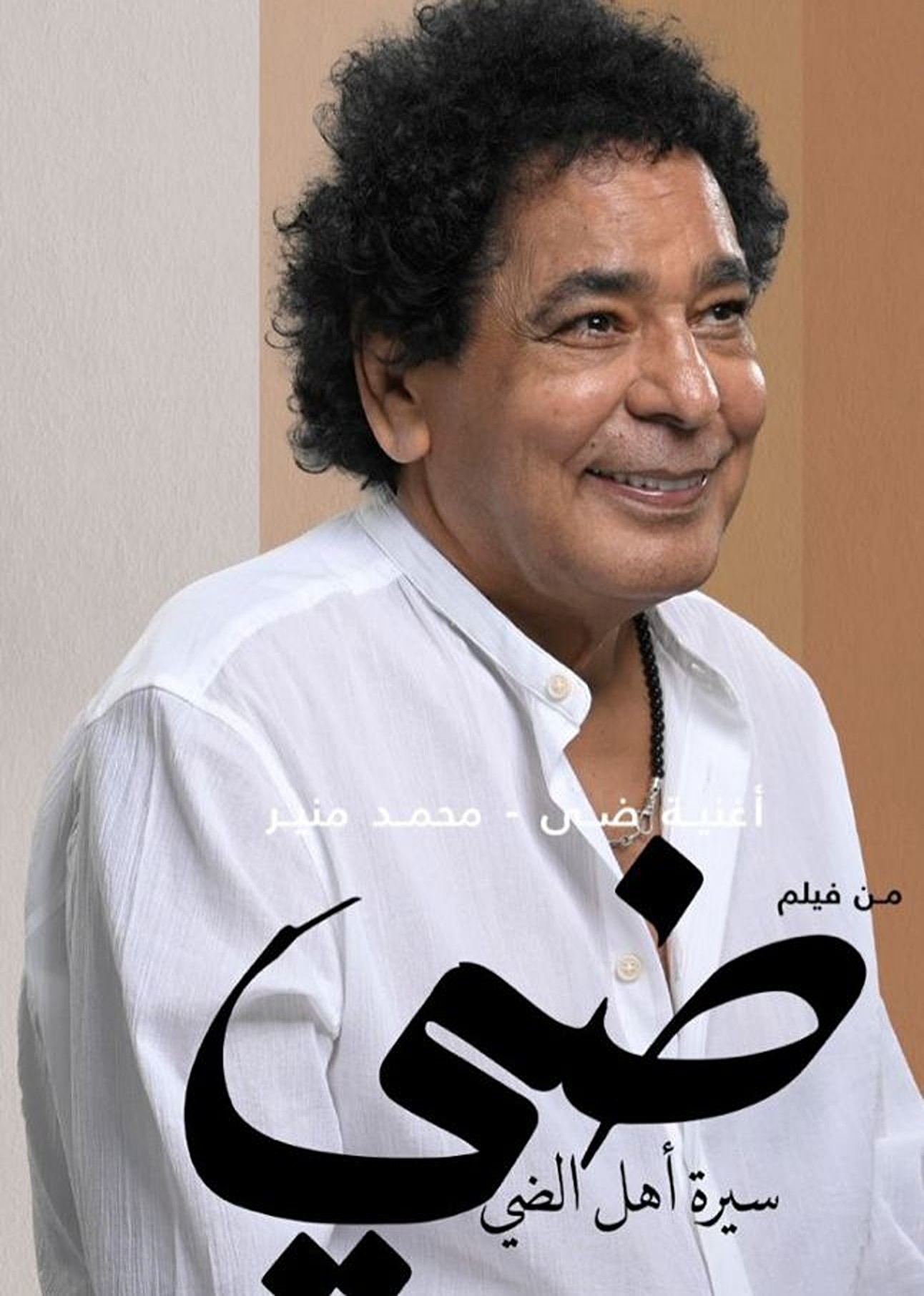
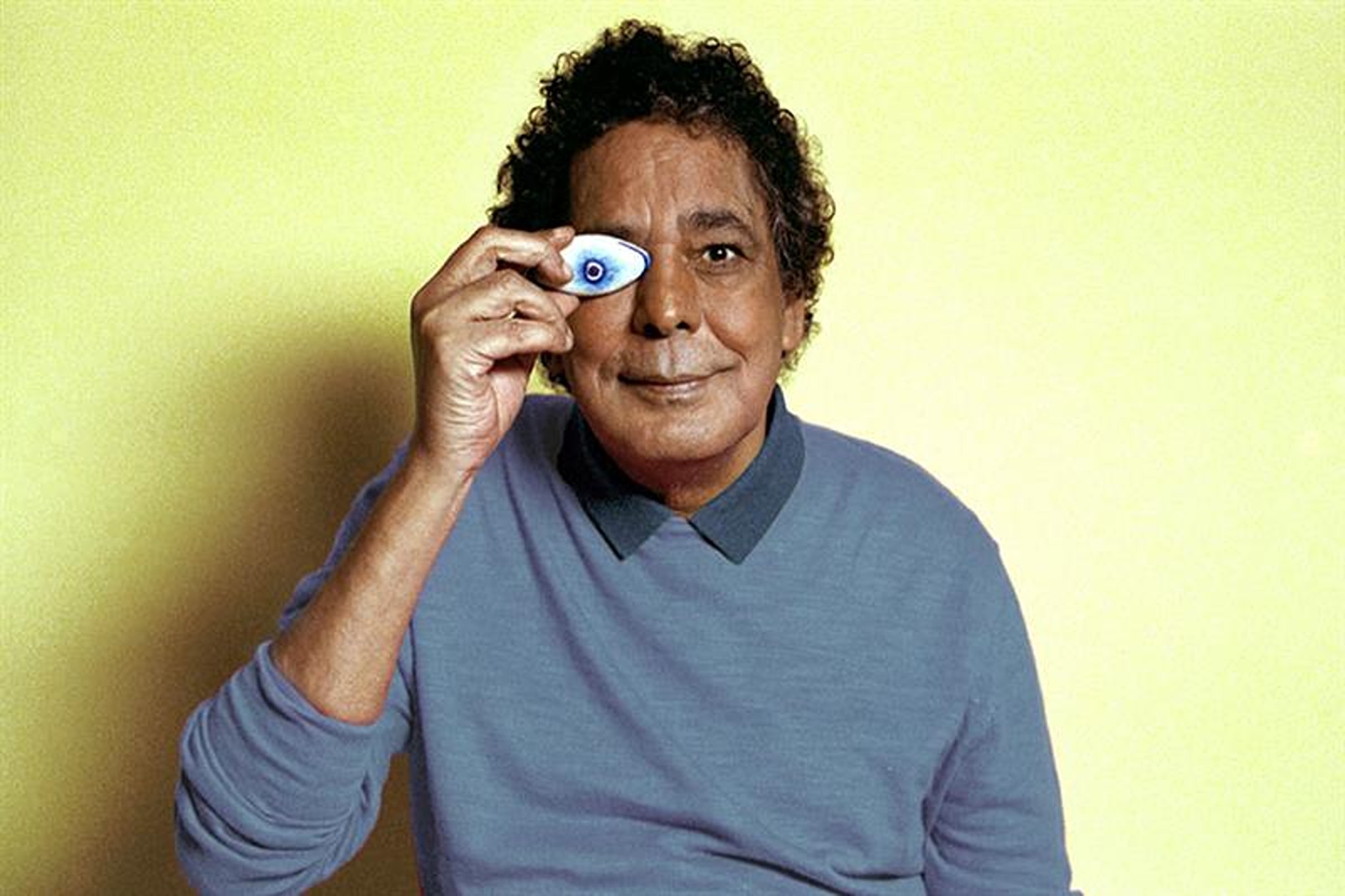
If there is one thing that defines Mohamed Mounir, it is his unmatched ability to carry emotion. He sings with a rare sincerity and depth that blurs the line between the personal and the collective, making it feel as though one’s private struggles are not borne alone, but shared by everyone listening.
The song Daye (2025) by Egyptian artist Mohamed Mounir, featured as the theme for the film Seret Ahl El Daye (The Tale of Daye’s Family, 2025), connects deeply with listeners due to its blend of inspirational lyrics, soul-stirring melody, and the emotional weight of its cultural and personal context.
At its core, the song’s lyrics, penned by Mostafa Hadouta, speak to themes of self-discovery, hope, and defying fear in the face of adversity. Lines like “inside me is a discovery, if everyone is afraid, I won’t be afraid,” celebrate inner strength and standing out amid challenges. In this sense, self-discovery encourages a deeper reflection on one’s place in the world, prompting the questions: why am I truly here, and what is my purpose?
The song’s emotional weight is further heightened by its ties to the film, a moving story about a young albino Nubian boy named Daye who dreams of becoming a singer like Mounir himself, despite facing bullying, discrimination, and a perilous journey to audition for a talent show, shining a light on the character’s fight for visibility and dreams.
AHLAMI by Nour
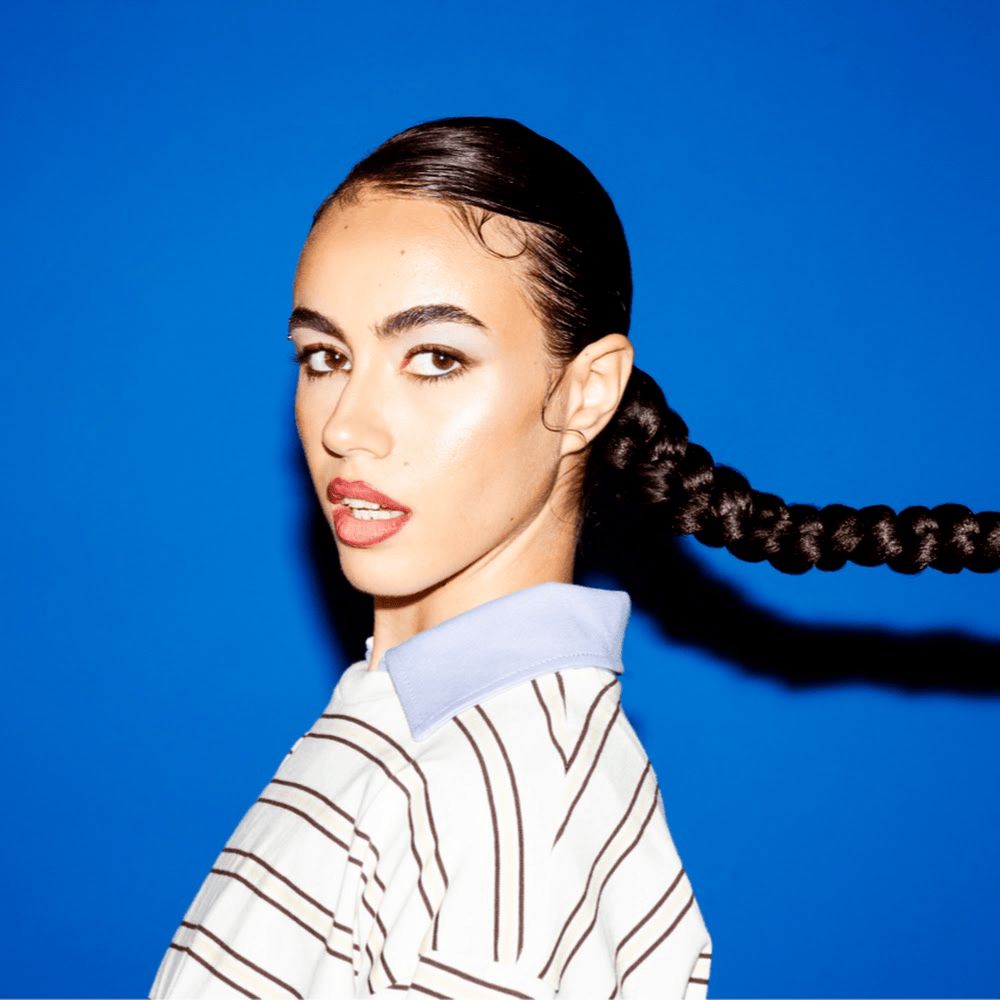
The indie scene in Egypt and across the region is slowly growing, and with it comes more honest, introspective tracks like AHLAMI (My Dreams, 2025) by Nour, an Egyptian artist who pulls listeners in with her dreamy mix of dream-pop and Arabic influences.
The sound mixes modern synths with hints of Arabic music, creating something cozy and dreamlike, kind of like Billie Eilish’s vibe. The lyrics dive into non-reciprocal love, pouring out her heart and offering her feelings and even her life, just hoping they will notice. What makes it so touching is the peaceful pain it brings; a soft hurt that just pulls at you. Nour’s gentle, whispery voice floats over those airy synths, making it feel like you are lost in a warm memory. It stirs up real emotions, like old longings or crushes that did not work out.
It also makes you reflect on dreams and why it is so important to tell them apart from real life. Dreams feel safe and full of possibility, but they can trick you into holding on too tight. It makes you wonder if you are falling for an idea of someone rather than who they really are, especially with all the online stuff that amps up fantasies.
Kalam Forsan by Wegz and Mohamed Mounir
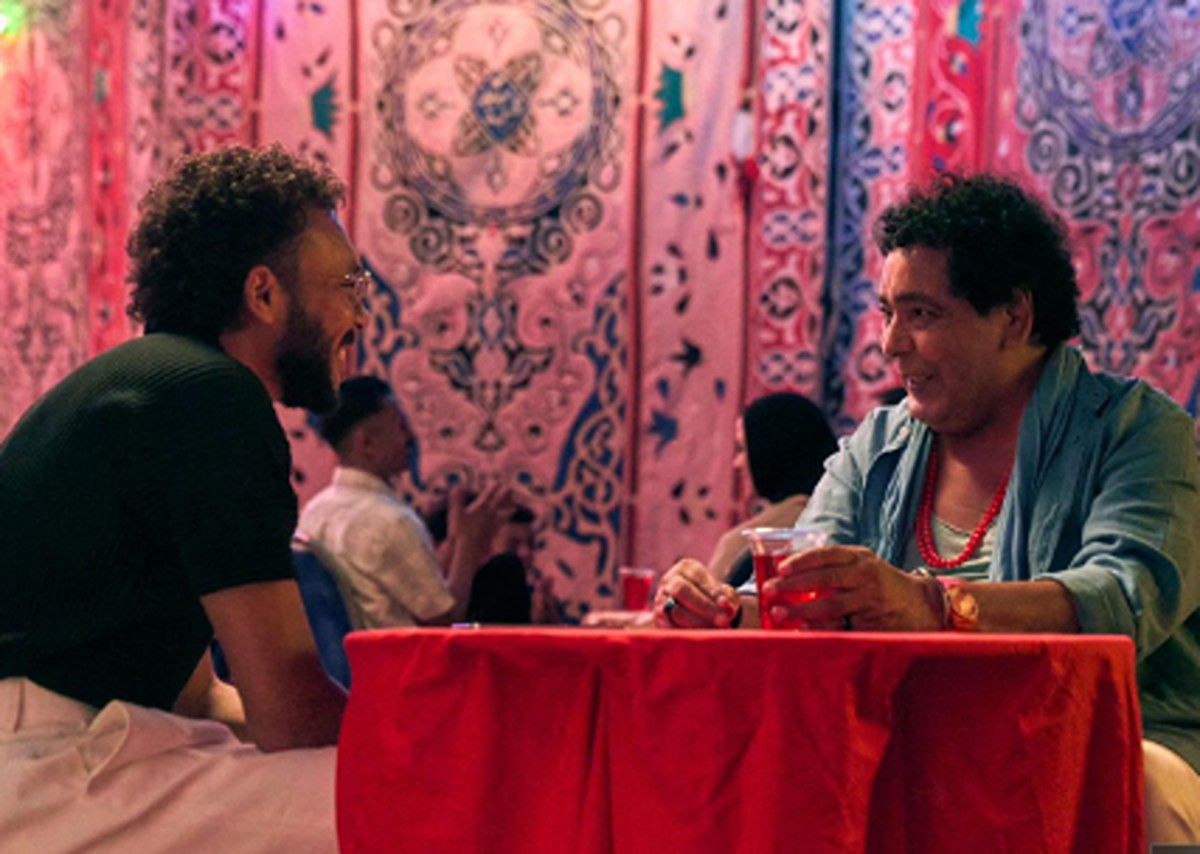
As the first single from the highly anticipated Side B of Wegz’s album Aqareb (Scorpions, 2025), Kalam Forsan (Words of Noble Men, 2025) is one of those tracks that immediately demands attention. It captures a rare moment in a year where emerging voices and established legends stood side by side, each leaving their mark without eclipsing the other.
The song signals a return to a more local, unmistakably Egyptian warmth that recalls Mohamed Mounir’s emotional way of reflecting on life, its struggles, lessons, and victories. Much like Mounir’s early work, rooted in dignity and the insistence on holding onto one’s values amid chaos, Kalam Forsan carries the same moral backbone.
It speaks to the simple truth that the people who share your morals are the ones worthy of your love, while those who bring negativity have no place in your world. In a time weighed down by pain, self-interest, and the chase for fame, the lyrics feel like a return to an era when the most grounding force was the set of values that shaped a person for life.
As one line captures so clearly, “People get lost in appearances, chasing their own self-interest… walk the path that honors you, or risk wandering in idleness.”
As 2025 comes to an end, these Egyptian songs do not belong only to this year. They will stay with audiences long after, as they speak to emotions and subjects that never expire and never fall out of trend.




Comments (0)