


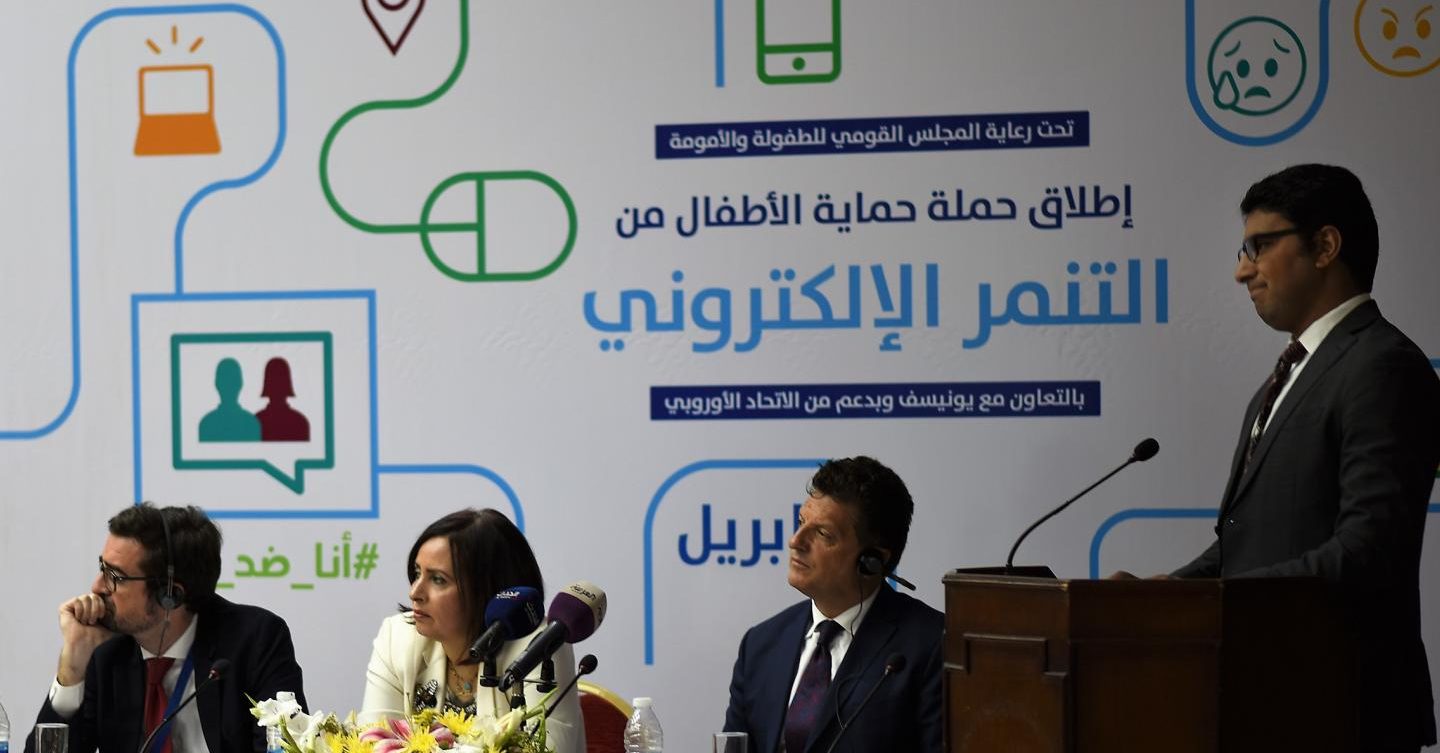
Egypt’s National Council for Childhood and Motherhood (NCCM) stated on Wednesday, 28 January, that protecting children in the digital space is a national priority, calling for stricter regulation of children’s internet use and stronger safeguards against online risks.
In a statement, the council said that regulating children’s use of mobile phones, social media, and electronic games is a central part of Egypt’s national child protection policy, as the digital world expands rapidly and online risks continue to grow.
According to Sahar El-Senbati, Chairperson of the National Council for Childhood and Motherhood, while social media offers opportunities for learning and communication, it has increasingly become a gateway to serious risks for children, including exposure to exploitation and age-inappropriate content, which can have negative effects on children’s mental health and behavior.
About half of Egypt’s children under 18 use social media, where they face exposure to harmful content, cyberbullying, and online abuse, according to a 2024 report from the government-linked National Center for Social and Criminological Research.
The council urged authorities and relevant groups to draw on international best practices and adopt a balanced approach that allows children to benefit from the internet while strengthening oversight of content directed at minors.
The council also called for restrictions on photographing children, sharing their images or personal data, or communicating with them through digital platforms outside approved and lawful frameworks. It added that safeguarding children online should emphasize prevention, not just responses after harm occurs, by promoting safe and responsible use of technology and raising awareness among children, families, and institutions about digital risks, protection measures, and reporting channels.
The NCCM’s statement comes amid a growing national debate over the effects of the digital world on children and teenagers, a discussion that has recently gained traction in both parliament and the presidential office.
Several lawmakers have expressed concern over children’s unmonitored use of smartphones, social media, and electronic games, citing potential social, psychological, and educational consequences. Members of parliament have called for stronger legal measures to regulate children’s online activity, enhance parental controls, and hold digital platforms accountable for content aimed at minors.
Earlier this week, on Monday, 26 January, the House of Representatives announced that it plans to draft legislation regulating children’s use of social media, aiming to “put an end to the digital chaos our children are facing, and which negatively impacts their future.”
Lawmakers stated they will consult with government officials and experts to create a law designed to “protect Egyptian children from any risks that threaten its thoughts and behavior.”





Comments (0)