


Al-Azhar has officially announced that the holy month of Ramadan will begin in Egypt on Thursday 19 February 2026, following the sighting of the crescent moon.
Dar Al-Ifta and Al-Azhar confirmed the date after the Maghrib (sunset) prayer, marking the start of the ninth month of the Islamic lunar calendar and one of the most sacred periods in the Islamic year.
Meanwhile, Saudi Arabia, the United Arab Emirates and Qatar announced that Ramadan will begin on Wednesday 18 February. In recent years, it has been common for countries across the region to announce different start dates.
Other countries across the world, such as Syria, Jordan, Oman, Azerbaijan, Kazakhstan, Kyrgyzstan, Pakistan, Uzbekistan, Philippines and Australia have said that Ramadan will commence on Thursday 19 February, aligning with Egypt.
A Month of Fasting and Reflection
Ramadan is observed by Muslims worldwide as a month of fasting, prayer and spiritual reflection. From dawn (Fajr) until sunset (Maghrib), Muslims abstain from food, drink and other physical needs, focusing instead on worship, charity and self-discipline.
The month commemorates the revelation of the Quran to the Prophet Muhammad, making it a deeply significant period of spiritual renewal.
In Egypt, Ramadan carries a unique cultural atmosphere that blends religious devotion with longstanding traditions.
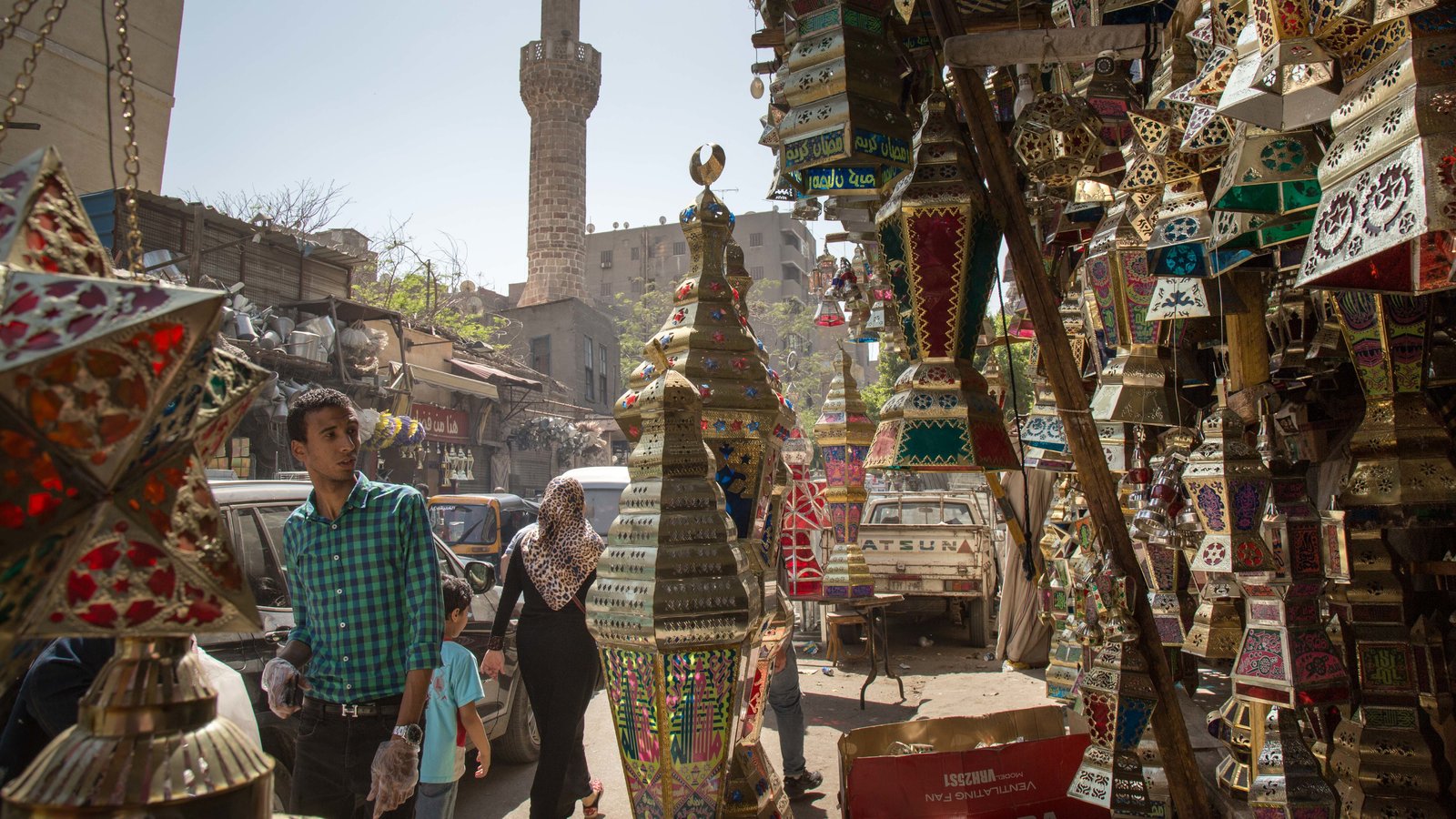
Streets and balconies are adorned with colourful fanous (Ramadan lanterns), a tradition dating back centuries to the Fatimid era. Families gather each evening for iftar, the meal that breaks the fast, often beginning with dates and water before sharing soups, stews and classic dishes. Mosques across the country host Taraweeh prayers late into the night, drawing large congregations.
The spirit of generosity is also especially visible during Ramadan in Egypt. Charitable initiatives, communal iftar tables known as mawa’ed al-rahman, and food distribution efforts expand across cities and villages, reflecting the month’s emphasis on compassion and community solidarity.
Ramadan is expected to last 29 or 30 days, depending on the sighting of the next crescent moon, culminating in the celebration of Eid al-Fitr.





Comments (0)