


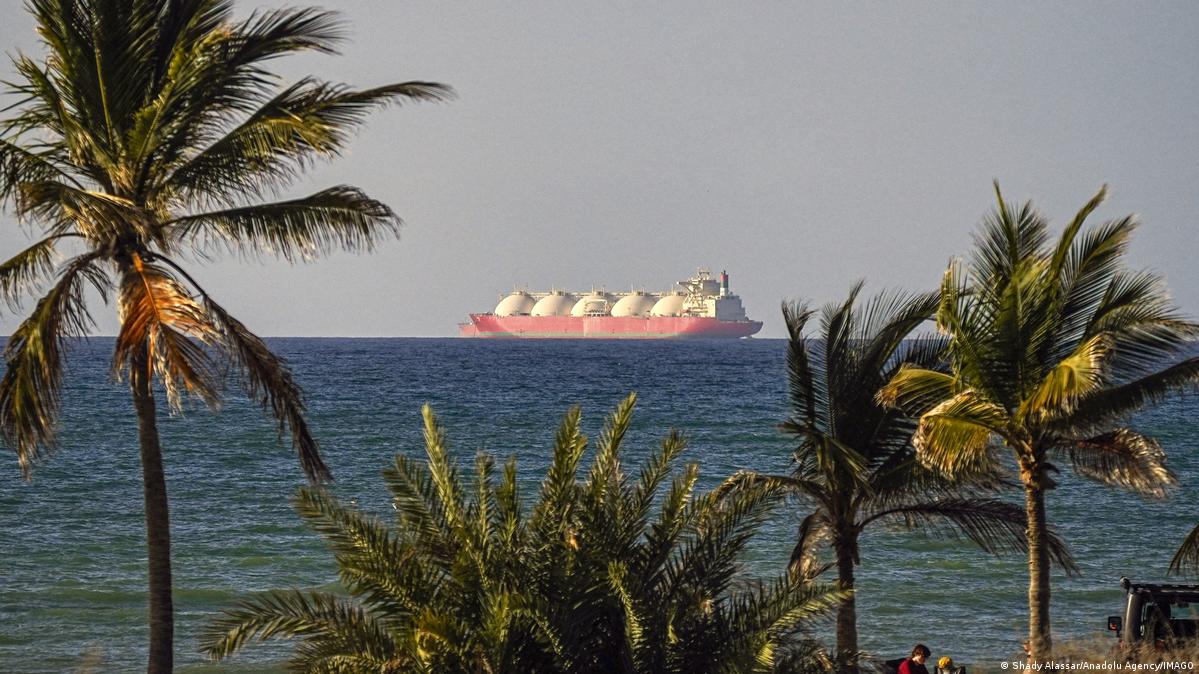
Iran has once again closed the Strait of Hormuz on 18 April, reversing a brief reopening of the critical maritime corridor after the United States refused to lift its blockade on Iranian ports.
Iranian military authorities confirmed on Saturday that the strait has been returned to what they described as its “previous status,” placing it under strict supervision by the country’s armed forces. The decision came just hours after a short-lived window during which commercial vessels were allowed to pass through the strategic waterway.
The strait, a critical artery for global energy supplies, typically carries around 20 percent of the world’s oil and liquefied natural gas exports. Its repeated closure has sent shockwaves through maritime traffic and energy markets, reversing earlier optimism sparked by a temporary reopening tied to a ceasefire in Lebanon.
US President Donald Trump maintained that a broader peace deal with Iran was “very close,” despite the renewed disruption. His comments followed a wave of optimism on Friday, when Tehran briefly reopened the strait after a ceasefire agreement aimed at halting Israel’s conflict with Hezbollah.
However, Washington’s insistence on maintaining a naval blockade of Iranian ports until a final agreement is reached appears to have provoked Tehran’s latest response. Iranian officials have rejected what they describe as US attempts to impose conditions through economic and military pressure.
At a diplomatic forum in Antalya, Deputy Foreign Minister Saeed Khatibzadeh said Iran would not yield to “siege tactics,” while the country’s leadership signaled readiness to confront further escalation if necessary.
Shipping Disruptions and Security Incidents
Maritime tracking data indicated chaotic conditions in the strait on Saturday morning. At least eight oil and gas tankers successfully crossed, while a similar number turned back mid-journey.
Compounding tensions, a British maritime security agency reported that a tanker northeast of Oman was approached and fired upon by vessels linked to Iran’s Revolutionary Guards. No casualties were reported, but the incident underscores the heightened risk to commercial shipping in the region.
Fragile Ceasefire
The developments come just days before the expiration of a two-week ceasefire in the broader conflict involving Iran, the United States, and Israel. The war, which began on 28 February, has drawn in regional actors and disrupted global supply chains.
Diplomatic efforts, led in part by Pakistan and Egypt, are intensifying. Pakistani military chief Field Marshal Asim Munir concluded a visit to Tehran aimed at advancing negotiations, while Egyptian officials expressed hope that a final agreement could be reached within days.
Yet, key sticking points remain unresolved. These include Iran’s stockpile of highly enriched uranium and the long-term status of the Strait of Hormuz.
Trump claimed that Iran had agreed to relinquish its uranium reserves, even suggesting the material would be physically extracted. Iranian officials swiftly denied this, insisting their nuclear assets would not be transferred under any circumstances.
Regional and Civil Impact
Despite the maritime tensions, Iran has reopened parts of its airspace for international transit, signaling some stabilization in civilian sectors. However, domestic conditions remain strained, with internet access across the country still heavily restricted nearly two months into the conflict.
As the ceasefire deadline approaches, the situation in the Gulf remains volatile. The fate of the Strait of Hormuz and by extension, global energy stability now hinges on whether diplomatic momentum can outpace military escalation.




Comments (0)