


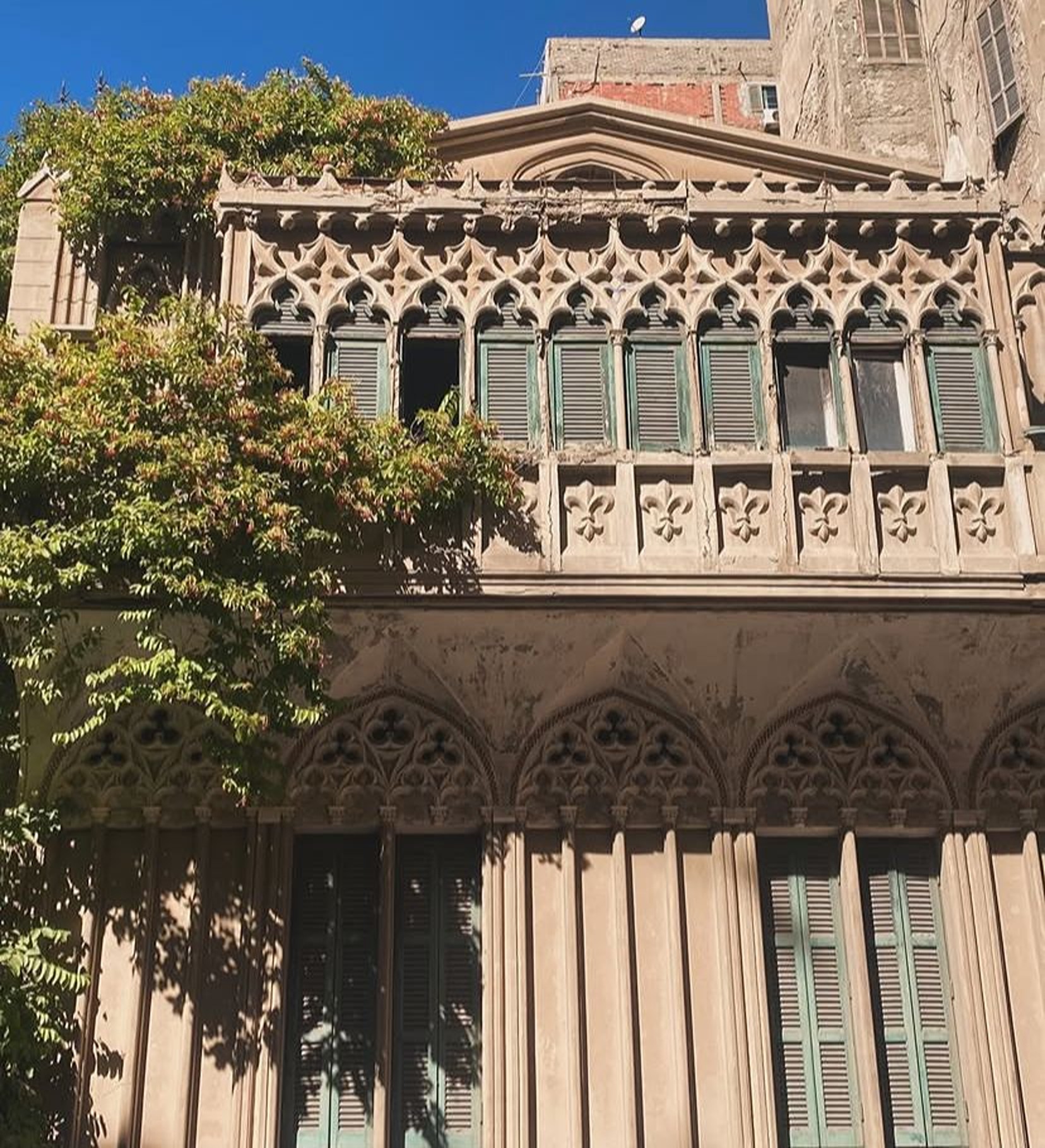
Cities are rarely held by a single name. Some are defined by their place on the map, while others are known by the worlds they have shaped.
Port Said, for instance, has never been just Port Said. It has carried many names over time, each one a reflection of its layered identity: “the Marseille of the Red Sea,” “the Venice of the Desert,” and “the hyphen between the East and the West.”
English novelist Rudyard Kipling once captured it in a single, enduring line, describing how “if you want to meet a friend, there are three great doors in the world where, if you stand long enough, you shall meet anyone you want. The head of the Suez Canal is one of them.”
Yet, beyond its many names and its fame as a hub of the Suez Canal, a symbol of global trade and connection, Port Said holds something more intimate. For countless Egyptians, it is a place of memory and belonging; a city they have watched grow, shift, and transform over the years, yet one whose heartbeat lingers in their songs, their stories, and their hearts.
To truly see Port Said is to look beyond the ships and the bustling canal, and into the lives of the people who call it home. This was the vision behind ‘Two Grandmas, One Table’, a collaborative trip co-organized by Hekayyatna, an organization dedicated to participatory cultural storytelling, Teta Loula, an Egyptian kitchen, and StaBene, a cultural hub and tour guide breathing new life into Port Said’s heritage.
The trip celebrated the city not simply by recounting its history, but by revealing a way of seeing it anew, by teaching others how to fall in love with a place in its entirety.
To find beauty in its abandoned buildings, to listen to the stories of its old statues, to embrace its multicultural voices, and to sense the promise of what it might still become: a renewed gateway and a touristic destination for travelers across Egypt and beyond.
“When people think of heritage, they often imagine the pyramids or ancient temples. Few would consider a 165-year-old building in Port Said to be heritage,” says Mohamed Hassan, also known as Misho, the cofounder of StaBene, speaking to Egyptian Streets.
“But, a building that old is essentially the city’s equivalent of the pyramids. Heritage must be understood in the context of a city’s history.”
Falling in Love with Port Said
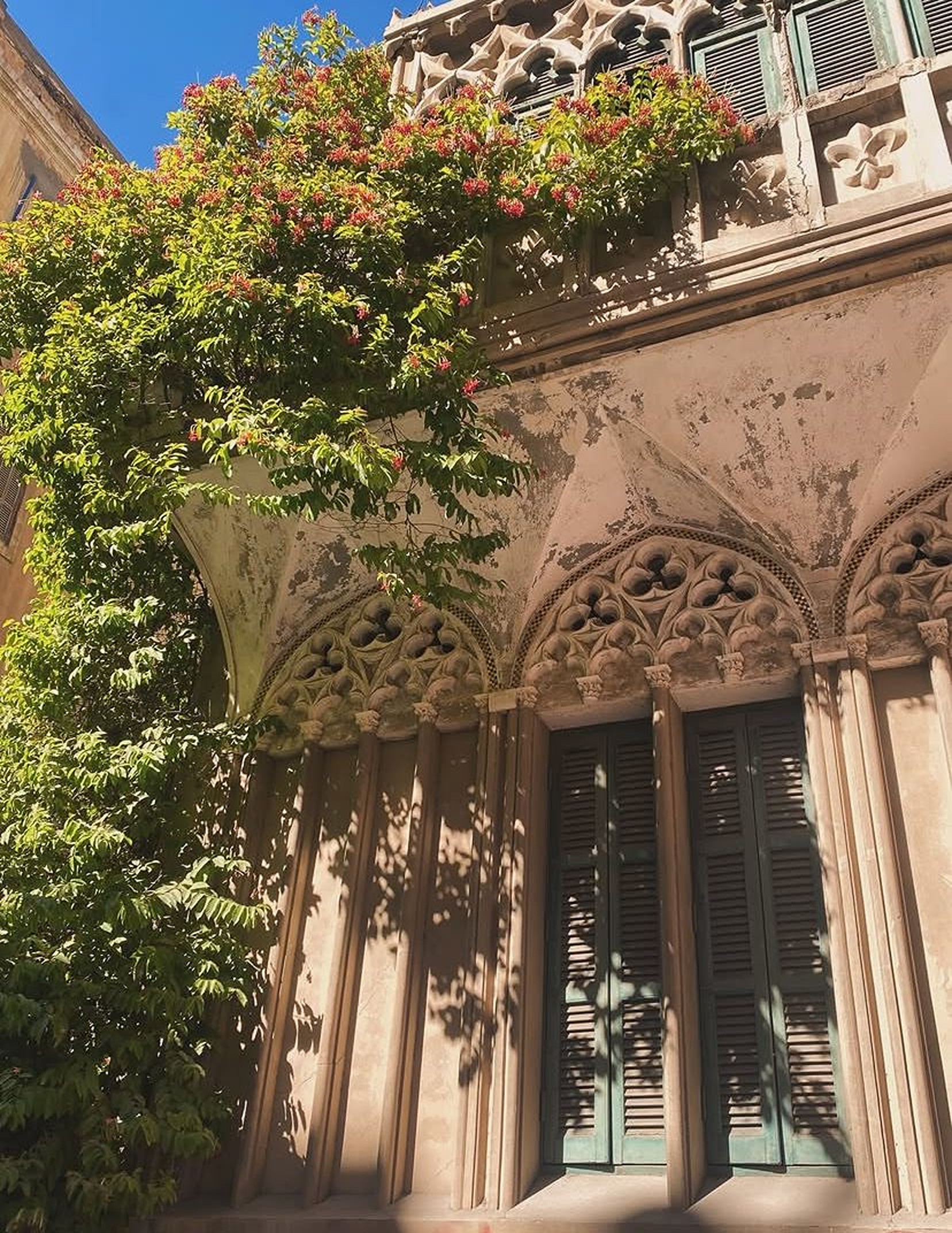
Falling in love with Port Said happens slowly. It starts with its buildings, the balconies, and aging structures that have stood witness to generations. More than bricks and stone, they are vessels of memory, shaping not only the city’s appearance but also its soul; they help tell the story of a place and define the spirit that lingers within it.
Since 2014, Hassan has dedicated himself to a singular mission: helping both Egyptians and visitors fall in love with Port Said. His goal is to transform its story from one viewed solely through economic or political lenses into one shaped by a love for its food, music, architecture, and, above all, its enduring beauty.
The trip grew out of years spent organizing visits for university students from Cairo and Alexandria, using art as a way to draw attention to Port Said’s overlooked heritage.
“Sometimes we staged performances in historic streets or in front of abandoned buildings so people would notice places they normally walked past without a second thought,” he recalls.
Over time, his projects expanded to include cinema and broader cultural activities. One notable example was Cinema Rio in Port Said, a 1940s-era cinema that had been closed for over fifteen years.
“We cleaned and restored it for cultural events in partnership with Zawya Cinema. Each month, we hosted screenings that drew large audiences, showcasing films from around the world and creating spaces for conversations with filmmakers. The venue became a true cultural hub for the city,” he says.
Standing in the heart of Ferial Garden, named after Princess Feryal, King Farouk’s eldest daughter, and inaugurated in 1869 on the opening day of the Suez Canal, Hassan reflected on Port Said’s evolving identity.
He looked at the city’s history not through a single lens, but through a broader, more nuanced perspective.
“History should not be told from only one perspective,” he noted, “two people can live through the same event and still describe it differently.”
He spoke of how Port Said’s cosmopolitan spirit influenced his own family, his character, and his interactions with foreigners over the years, even down to the city’s unique multilingual melodies that color everyday conversation.
“Older generations in Port Said grew up immersed in the presence of foreigners,” he explains.
“Many worked alongside them, lived nearby, hosted travelers, and spoke several languages. Even with only a basic formal education, people often spoke two, three, or even four languages. They were comfortable with cultural differences.”
In the 1950s, Port Said thrived as a cultural melting pot, as Egyptians lived alongside the Greek, Italian, French, Armenian, and other communities. The city was home to as many as fourteen cinemas, and among its landmarks was the Simon Arzt department store, celebrated as Egypt’s oldest mall and the second oldest in the world, where visitors could browse some of Europe’s finest luxuries.
Yet, much of this cultural vibrancy faded into the background during the 1970s, when President Sadat declared Port Said a Free Zone. The city’s identity gradually became tied to commerce and trade, as imported goods entered Egypt through its ports. People traveled from across Egypt in search of electronics, clothing, and products that were otherwise difficult to find.
While the era brought economic growth and prosperity, the city’s cultural life slowly receded from the spotlight.
“Many of the city’s former cultural spaces were repurposed into storage for commercial goods,” Hassan explains.
“Cinemas, for instance, were turned into warehouses. So while economic activity grew, cultural life gradually diminished.”
More Than a Trading Hub
To encourage a broader understanding of Port Said beyond its identity as a hub of trade and commerce, Hassan’s project StaBene, launched in 2022, has been working to preserve and revive the city’s tangible and intangible cultural heritage.
Through cultural events, a heritage hostel, art exhibitions, and festivals, it reimagines abandoned and underused spaces as active cultural venues, bringing new life to the city’s historic fabric.
One of its earliest initiatives was StaBene, which transformed a former furniture workshop and garage into a cultural space near one of Port Said’s historic villas.
“The idea was to create a place where artists, creatives, and people with ideas could come together, collaborate, and produce work,” he says. “We hosted workshops, film screenings, exhibitions, and various artistic productions.”
The space also became a site for filmmaking, producing several works that explored Port Said’s culture and traditions, including documentaries on the city’s renowned simsimiyya musical heritage.
More recently, the team has continued to expand its work, launching a heritage hostel within a restored historic building. The aim is to support cultural tourism and encourage visitors to spend more time in Port Said.
“The broader vision is to build a sustainable ecosystem where young people engage with their city’s identity from an early age, gain hands-on experience, and eventually play an active role in preserving and promoting Port Said’s heritage,” he adds.
Hassan also places particular emphasis on the potential of cultural tourism as a source of employment for Port Said’s youth. While cruise ships may dock only once every few months, he notes that passengers often continue straight to Cairo to visit the Pyramids, leaving Port Said with minimal economic benefit.
“Why aren’t there more programs that encourage visitors to stay and experience the city itself?” he asks.
“Expanding cultural tourism would create jobs and give young people more reasons to remain connected to their city.”
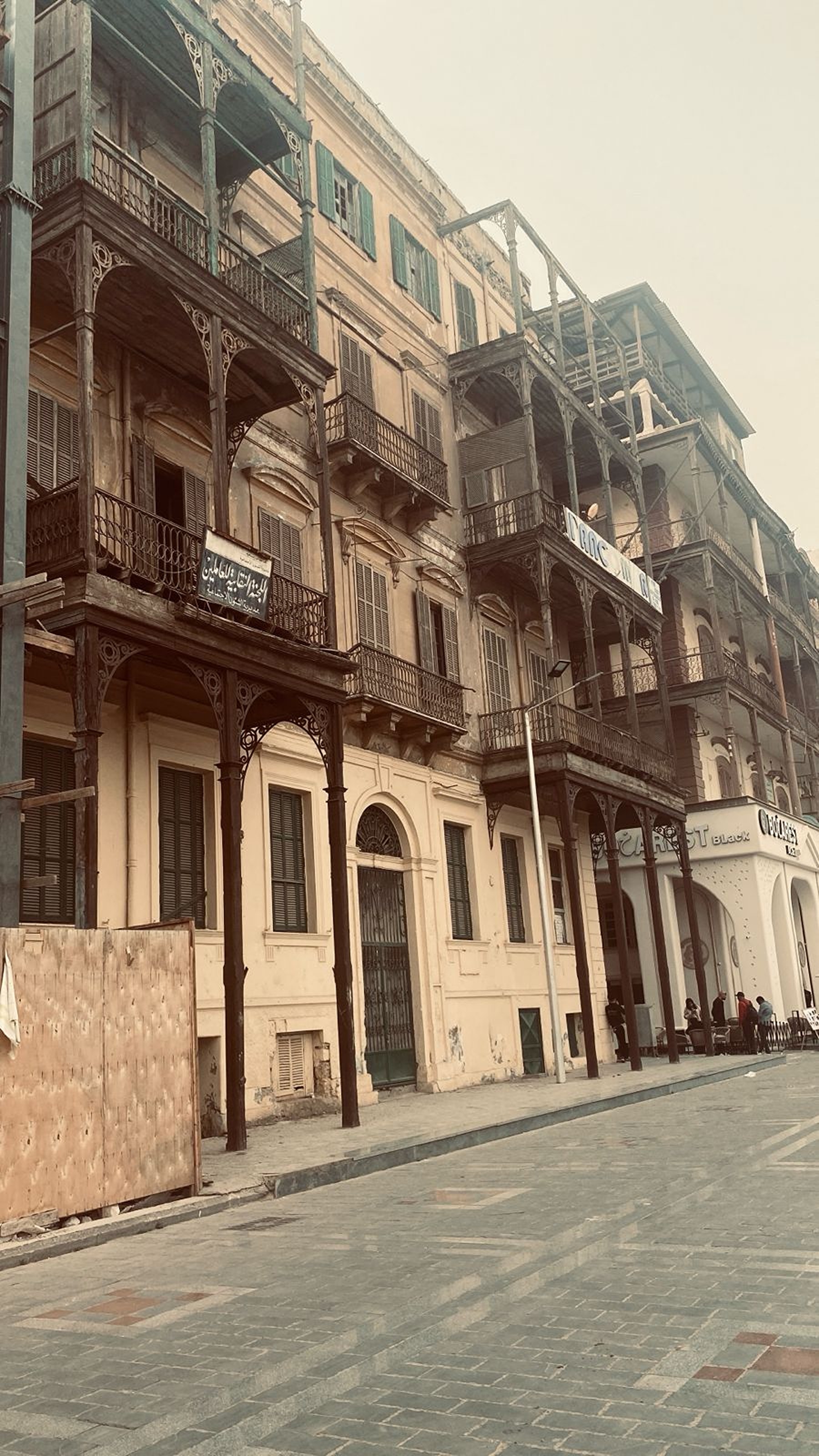
The trip included visits to several of Port Said’s historic buildings, each reflecting the city’s rich architectural heritage. Many of these structures blend a range of influences, often described as Neo-Gothic, Rococo, and other eclectic styles, echoing the city’s cosmopolitan past.
One such building captures this heritage from the late 19th and early 20th centuries, a period when ornate wooden galleries were a defining feature of Port Said’s urban landscape. Among them is Villa Fernand, considered one of the city’s overlooked architectural gems.
Located on Abdel Salam Aref Street, it was built by a foreign merchant who named it after his daughter, leaving behind a personal imprint on the city’s architectural memory.
Many of these buildings now stand empty and abandoned, yet Hassan believes they still hold great potential. He argues that they could be reimagined as cultural centers, community spaces, and educational venues, as well as sites that preserve and celebrate both religious and broader cultural heritage.
“These are excellent places. The Maronite Church, for example, is abandoned and underutilized, even though it could host many activities on both a cultural and religious level,” he adds.
Melodies and Meals
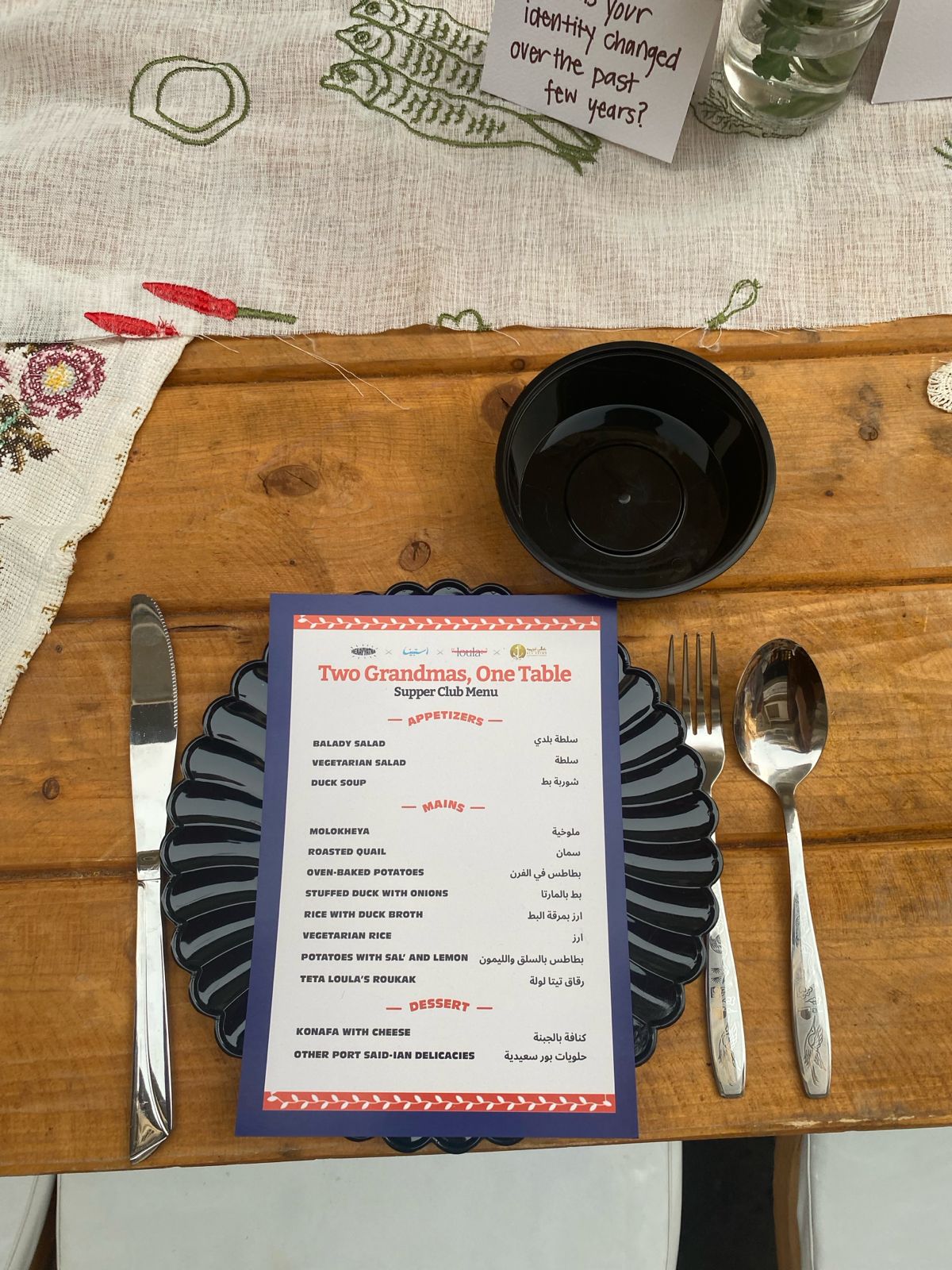
The final part of the trip was a delightful celebration of melodies and meals. Guests gathered around a long, family-style table set between the old facades of Port Said, beneath twinkling fairy lights beside StaBene’s cultural space.
The dinner featured dishes prepared by Teta Loula from Cairo and Teta Hala from Port Said, blending flavors and stories from different corners of Egypt.
After a day spent exploring Port Said’s historical heritage, the focus shifted to its flavors. The feast included duck soup, oven-baked potatoes, duck stuffed with onions, roasted quail, and rice steeped in duck broth, a culinary journey that brought the city’s traditions to life on every plate.
“Since supper clubs sit at the core of our social programming, collaborating with Mary and Teta Loula to create one was an obvious choice for us,” says Zeina Dowidar, cofounder of Hekayyatna, speaking to Egyptian Streets.
“We see the dinner table as the ideal space for connection, provided the right guidelines are in place.”
“At our Port Said gathering, we followed the same principles we apply to every supper club: you can’t serve yourself, only serve others and be served in return; no phones at the table; and no one leaves until they are completely full.”
Following the meal, the evening closed on a sweeter note, not with food, but with sound. Guests were immersed in a simsimiyya cultural night, experiencing the music of Port Said through an instrument deeply rooted in Egypt’s ancient musical heritage.
Linked to the ancient Egyptian kinnara (lyre-like instruments), the tradition traveled through Nubia before finding a lasting home in the Suez Canal region.
“The simsimiyya is the storyteller of the city,” Hassan says. Its songs carry the stories of everyday life, echoes of workers, sailors, fishermen, the port itself, and even stories of love and relationships. Today, the tradition continues through third- and fourth-generation musicians, who are reinterpreting it for younger audiences while keeping its spirit alive.
“Port Said shouldn’t depend only on shopping tourism,” Hassan explains.
“It has the potential to become a hub for cultural tourism, attracting visitors who come to immerse themselves in the city’s architecture, history, cuisine, music, and distinctive character.”


Comments (0)