


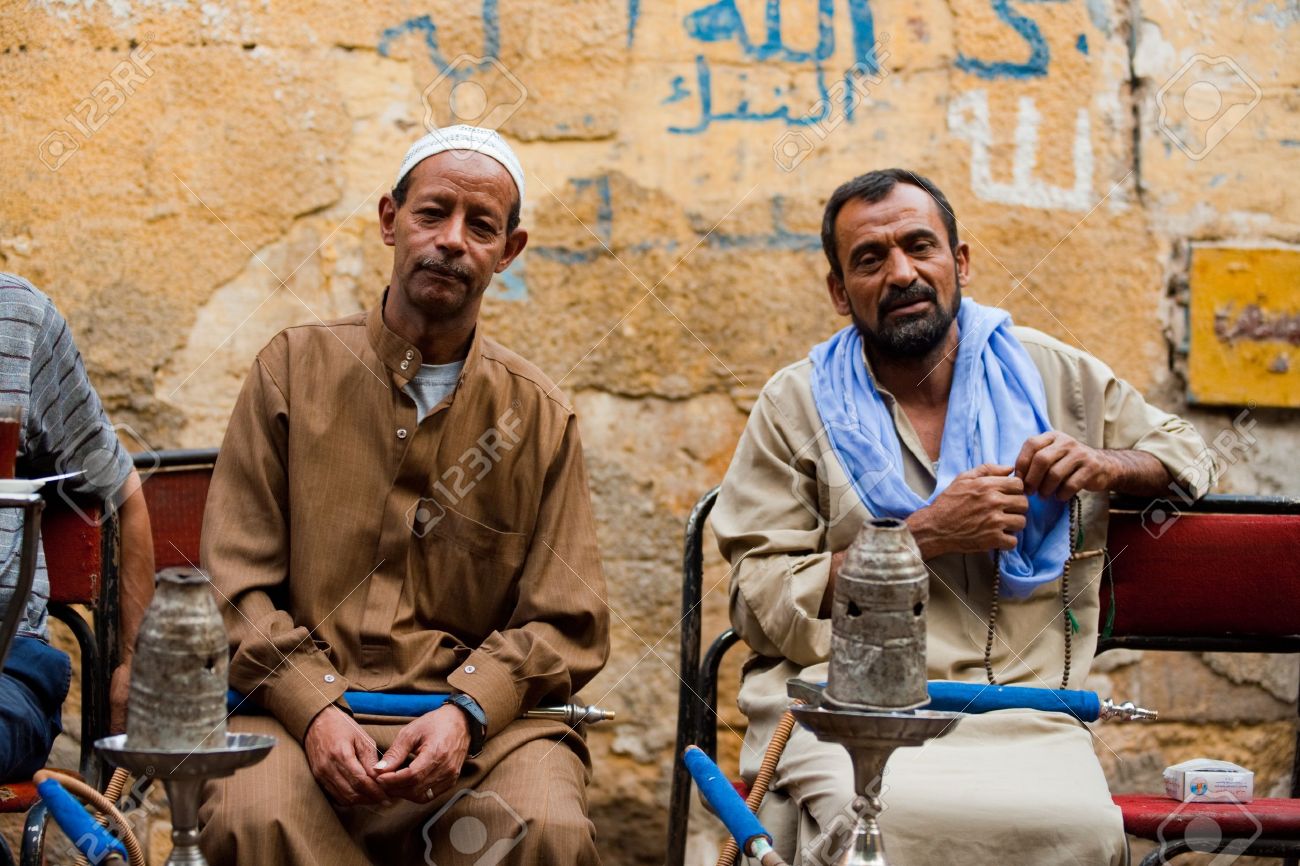
On a quiet street in Cairo, a group of men gathers around a small ahwa, a traditional Egyptian coffeehouse. Tea glasses line the table. One man scrolls through a football match on his phone. Another stares into the street, cigarette in hand. A chessboard sits between them, half-played. Conversation drifts between work, rising prices, and daily logistics.
For many men in Egypt, this scene is familiar. The ahwa is not a special destination. It is a regular stop, after work, after prayer, or late at night, a place returned to repeatedly rather than planned.
During Ramadan, the Islamic holy month marked by fasting from dawn to sunset, this routine becomes easier to notice. After iftar, the evening meal that breaks the fast, and taraweeh prayers, special nightly prayers held at mosques throughout the month, groups often head together to the nearest ahwa and stay until suhoor, the pre-dawn meal before fasting resumes, or the call to prayer. Outside Ramadan, the same pattern continues, but earlier in the evening.
In recent years, a different kind of social space has grown across Cairo, with modern coffee shops serving lattes, cortados, and specialty drinks becoming increasingly popular. Yet for many, the ahwa continues to hold its place. The appeal is not in the menu, but in familiarity, affordability, and the sense of routine that newer spaces often cannot replicate.
Seif Mostafa, 23, a Marketing performance officer, described the ahwa as a consistent part of his social life. “It is a comfort zone,” he said, describing it as “a real hangout.”
For others, the appeal is less about conversation and more about routine.
Mahmoud Wael, 27, a hairdresser, said he rarely goes to the ahwa with a specific plan. “Sometimes we talk, sometimes we just sit, drink our tea, watch football, and disconnect,” he said.
A 2009 study published in Sage Journals found that men are more likely to maintain close relationships through shared routines and activities than through direct emotional conversation. The researchers noted that friendship is often sustained by spending time together in familiar settings or engaging in parallel activities, rather than through intentional emotional disclosure.
Similar patterns are highlighted in a 2016 review published in Clinical Psychology Review, which found that traditional masculine norms can make it harder for men to express emotional distress and often push them toward more action-oriented ways of coping and seeking support.
In Egypt, these patterns exist within a broader context where access to mental health care remains limited. Public services are often overstretched, while private therapy can be financially out of reach for many. Stigma also continues to shape how people approach the idea of seeking psychological support, particularly in the Middle East.
According to the World Health Organization, social connection plays a protective role in mental well-being, particularly in settings where formal mental health services are difficult to access. While informal social spaces do not replace professional care, research consistently shows that regular social interaction can help reduce isolation and psychological strain.
In this sense, the ahwa remains one of the most accessible places where this kind of connection happens consistently. It does not require structure or explanation. People come and go, talk or stay quiet, without expectation.
Late into the night, the chairs remain filled. Tea glasses are replaced, conversations pick up and fade, and the same faces return day after day. In a city where the pace of life continues to shift, in prices, in pressure, in routine, the ahwa endures as one of the few places that asks for very little in return.



Comments (0)