


In Egypt, 18 June marks the official celebration of the Islamic New Year (Hijri New Year), which astronomically fell on 17 June.
The Hijri New Year begins with the start of Muharram, the first month of the lunar-based Islamic calendar. Its epoch was set as the year of the Hijra, Prophet Muhammad’s migration from Mecca to Medina in 622 CE.
Islamic organizations worldwide determine the start of each new month, including the new year, through local moon sightings. In Egypt, Dar al-Ifta, the country’s highest Islamic authority, announced the new year through its official channels.
This corresponds to the Islamic year 1448H, while the Gregorian year is 2026. The gap between the two dates comes down to how each calendar tracks time: the Islamic lunar year runs about eleven to twelve days shorter than the solar year approximated by the Gregorian calendar. As a result, the Islamic New Year shifts earlier on the Gregorian calendar each year rather than falling on a fixed date.
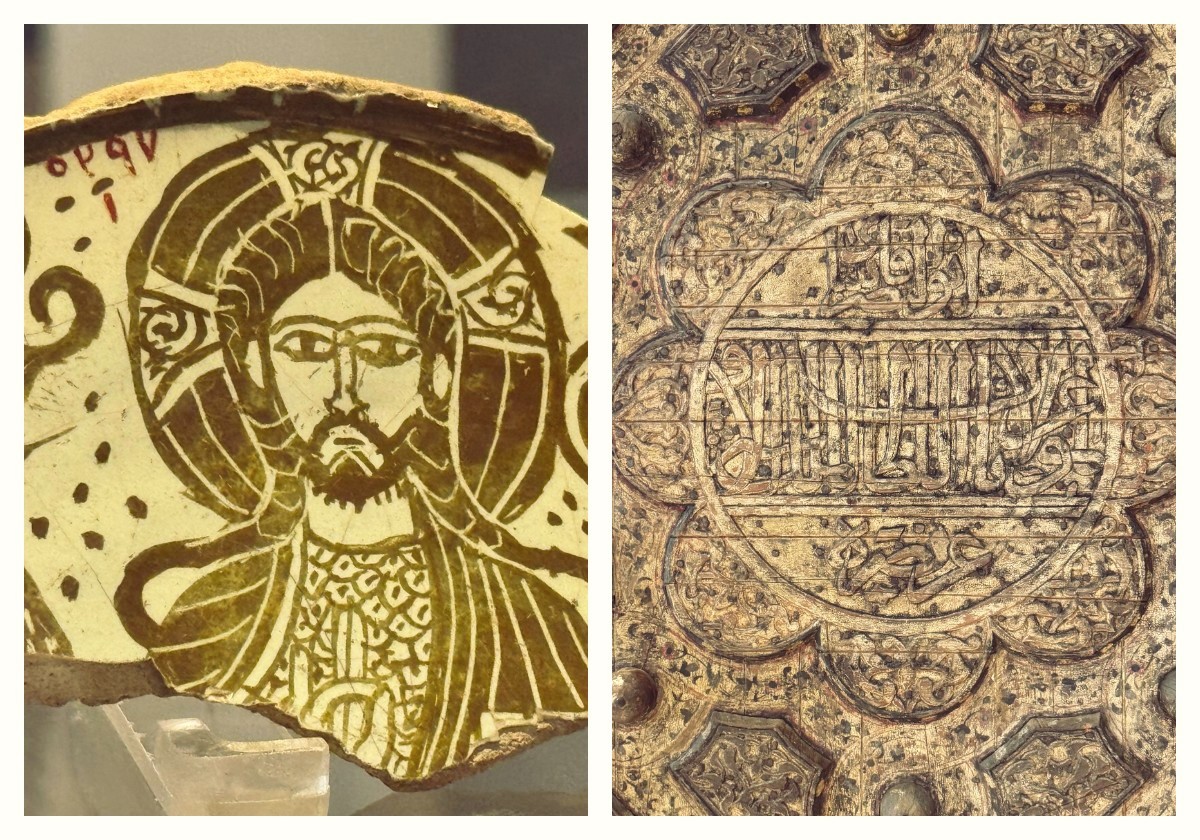
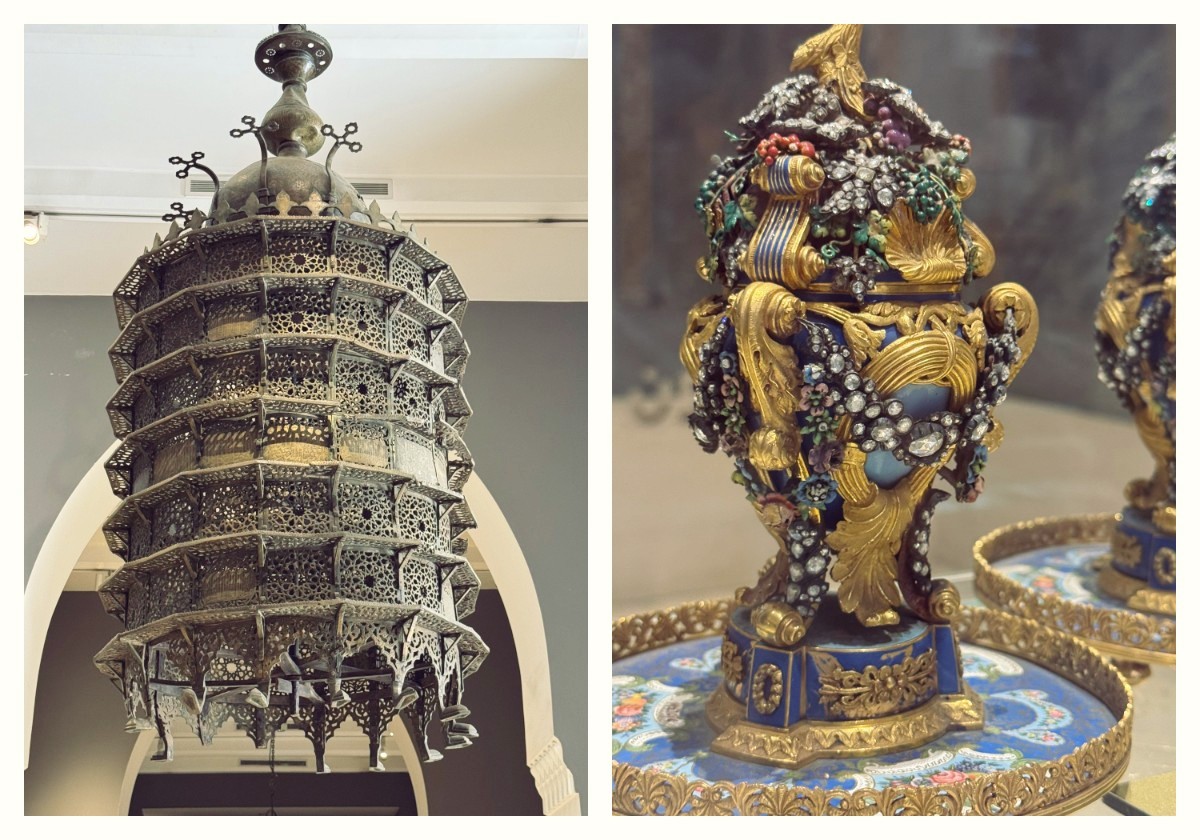
To mark the occasion, we share a series of photos from the historic Museum of Islamic Art in Cairo.
Established in 1905, the museum is considered home to one of the most important collections of Islamic artifacts in the world. It holds over 100,000 objects, though only a little over 4,000 are on display at any given time.
The museum’s lighting is striking, and its use of space is deliberate, with doors and fountains arranged to give visitors a sense of how certain objects were originally situated and used. Among its most compelling holdings are its ceramics and manuscripts.
 .
.
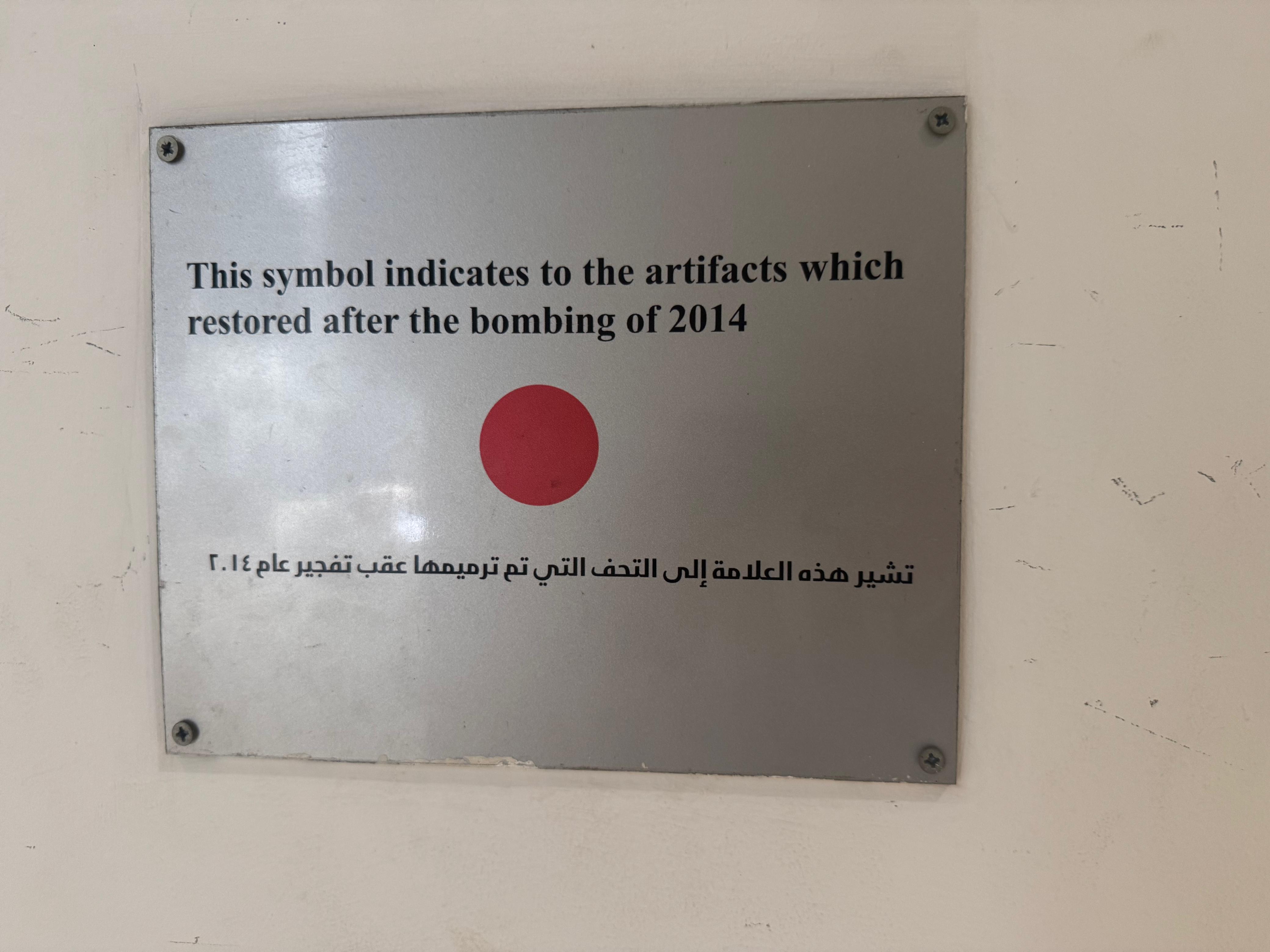
The museum is located in Bab el-Khalq, Cairo, with its rear section housing the National Archives. It was closed for several years following the 2014 car bomb attack on the nearby police headquarters, which severely damaged the building. The museum reopened in 2017 with its restored artifacts back on display.
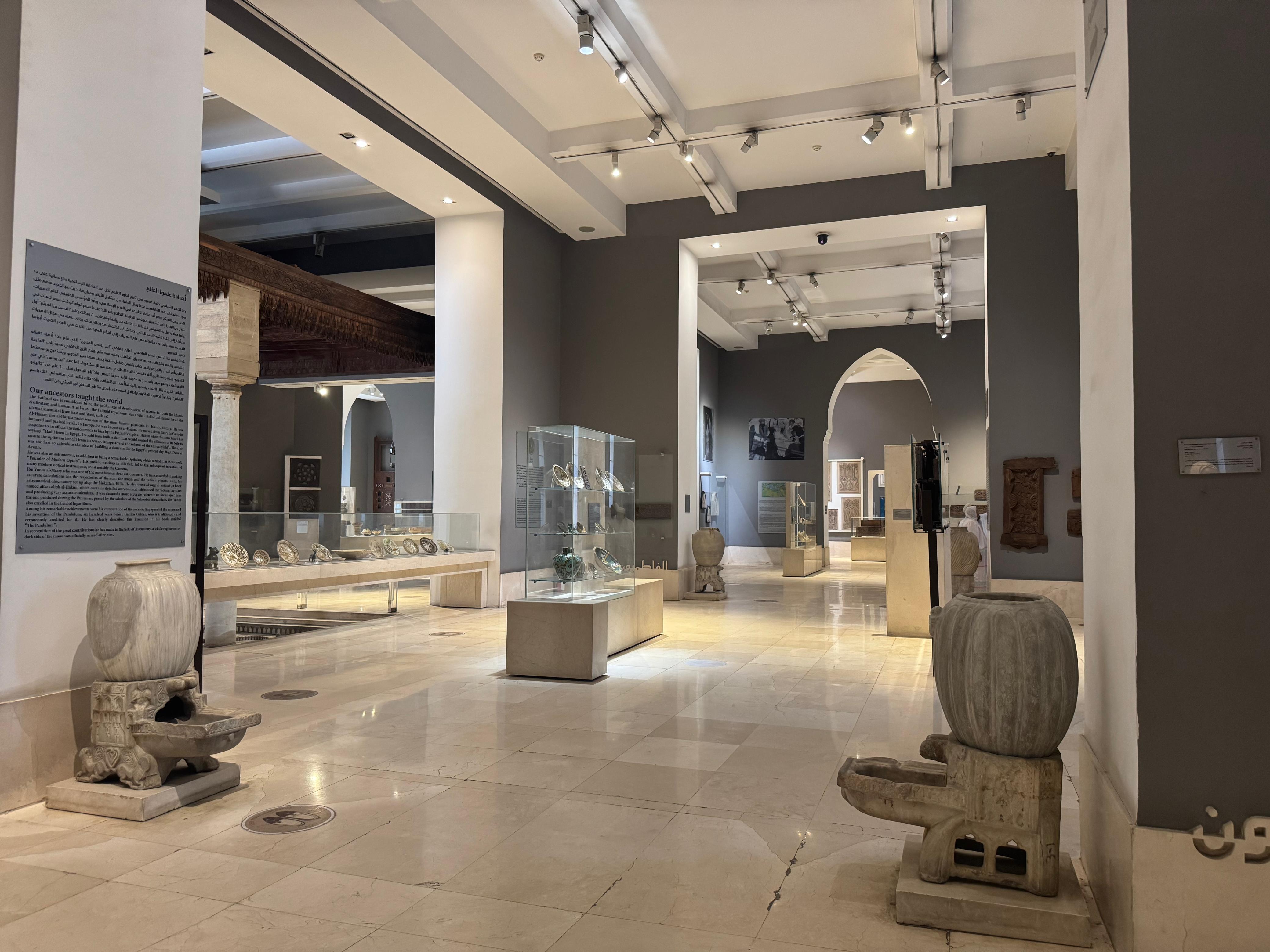
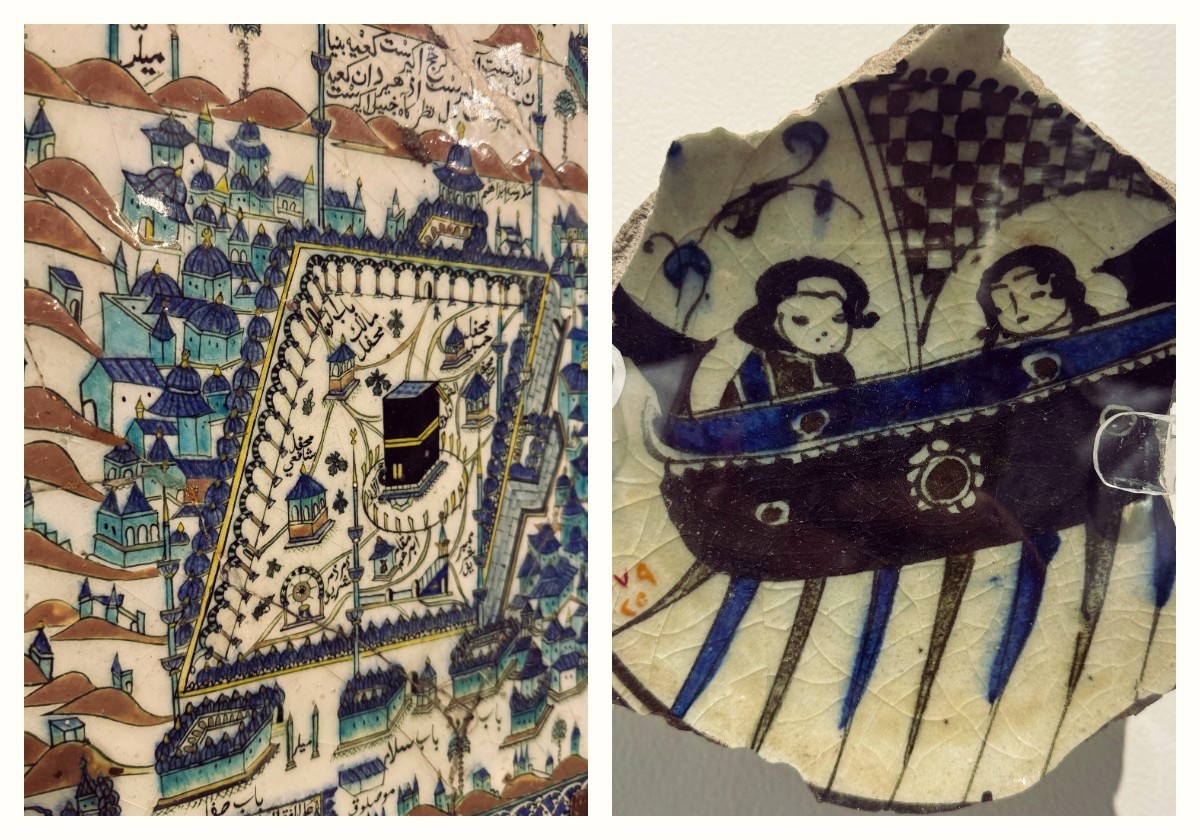
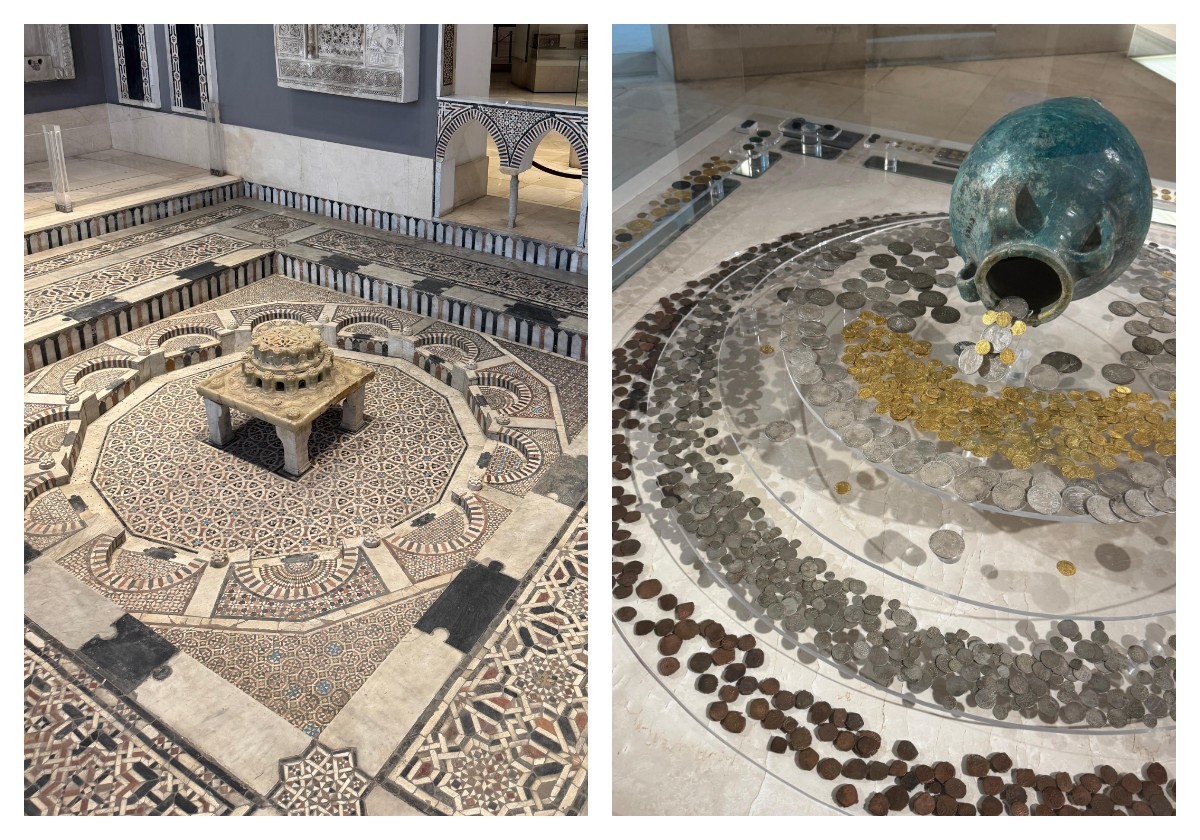
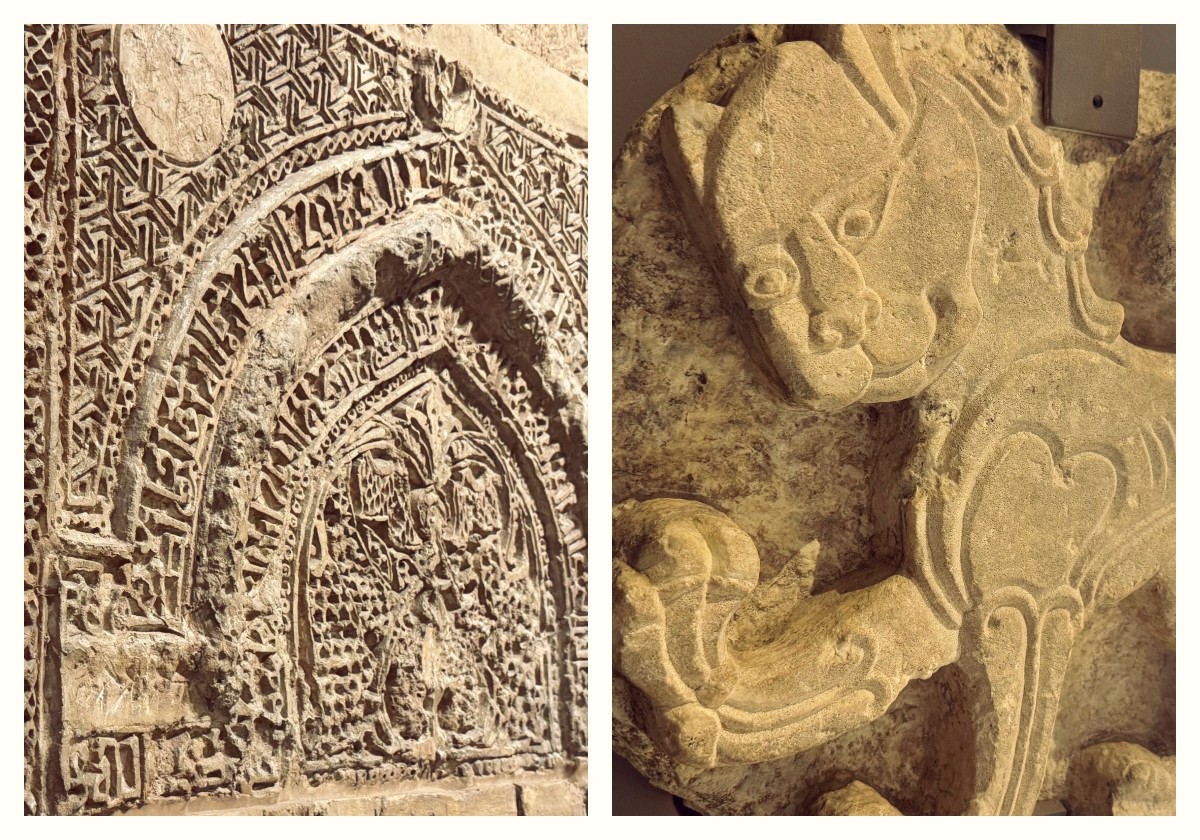
The museum is a vast space, with a collection it boasts as the largest of its kind in the world. Paying homage to Islam’s expansive heritage, hundreds of thousands of artifacts were gathered from across the Islamic world, from China to Iran to Andalusia. Certain rooms are thematic, such as one dedicated to weaponry and another to Islamic medicine and science, while other halls follow a more chronological layout.




Comments (0)