


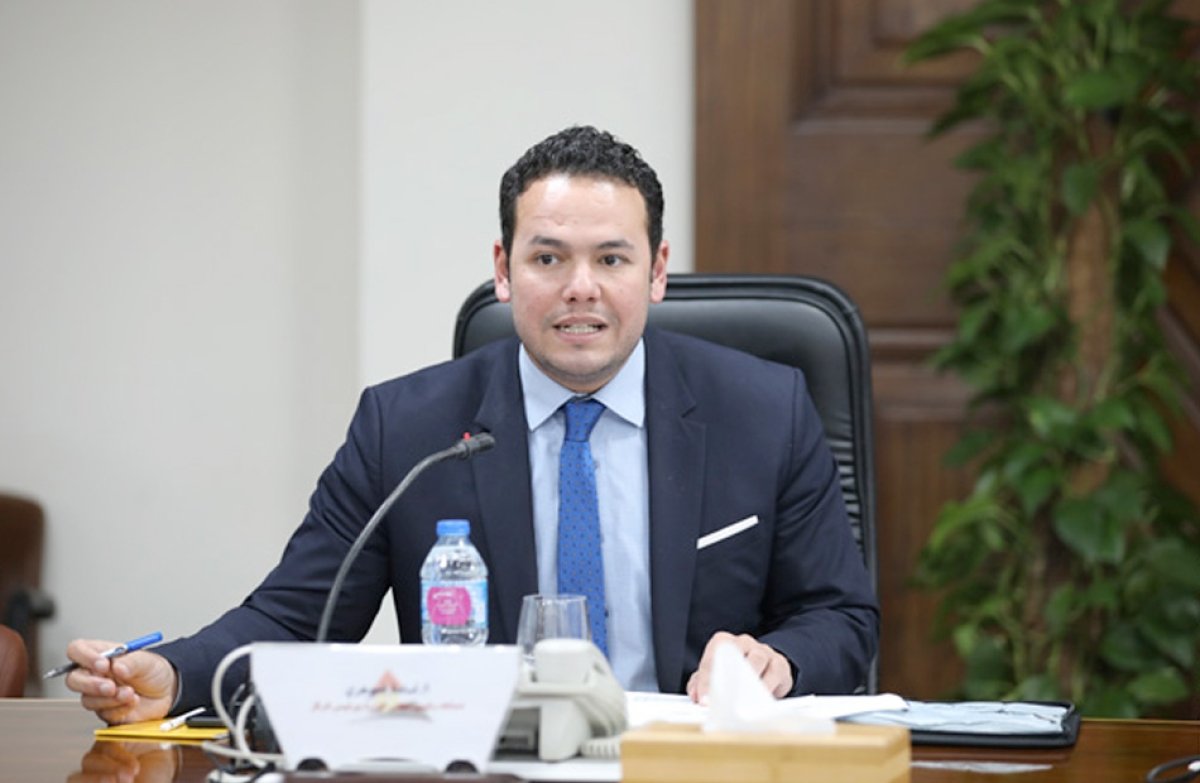
Rumours and false claims spreading across Egyptian social media and news outlets surged by 113 percent in the first half of 2026 compared with the same period last year, according to a report released 15 July by the Cabinet Media Centre, as regional conflict and economic anxiety created fertile ground for viral falsehoods.
The report, released by the government’s public communications and media monitoring office, shows that misinformation tied to regional developments accounted for 57.3 percent of all rumours monitored between January and June 2026, up from 21.1 percent in the first half of 2025. Officials attributed the spike largely to spillover from ongoing tensions in the Middle East, which have made Egyptians more anxious and more susceptible to unverified claims about everything from fuel supplies to their savings.
The surge comes amidst a longer-term upward trend in which nationwide rumour rates had already climbed to 14.5 percent in 2025, up from 13.8 percent in 2024, with the fourth quarter alone accounting for nearly 40 percent of the year’s total misinformation.
While rumours in 2025 focused largely on state development projects, the 2026 surge has been driven primarily by fears tied to regional conflict rather than domestic construction or infrastructure programs.
The economy was the most frequently targeted sector, accounting for 14.4 percent of rumours monitored. These included claims that authorities planned to sell state assets to repay foreign debt.
Following the economy, energy-related rumours came at 13.3 percent, with warnings of nationwide four-hour daily power cuts and rumours that internet access would be suspended overnight to save electricity.
Rumours about commodity supplies accounted for 11.6 percent of the total, while aviation and tourism made up 11.4 percent, including false claims that the tourism sector was losing USD 600 million (EGP 30.4 billion) a day. Health, housing, education, agriculture and social welfare rounded out the list of sectors hit by false claims, the Cabinet Media Centre found.
Officials also moved to knock down the alarming rumour of a supposed radioactive leak that had prompted school and university closures, along with reports of shortages of basic goods.
March was the single busiest month for rumours, representing 21 percent of the total for the half-year, followed closely by April at 20.3 percent —a period that coincided with heightened regional instability, according to the report.
In 2017, Egypt grappled with viral rumours. Egypt’s Parliament reported that some 53,000 false rumours had circulated in the country in just 60 days. It prompted lawmakers to pass a trio of laws in 2019 to regulate the distribution of information in the press and on social networks, and amended the penal code.
The government has since built out a dedicated monitoring apparatus. The Cabinet Media Centre said it continues to track both traditional and social media platforms, and coordinates with other state bodies to issue rapid rebuttals when false claims gain traction online.
However, press freedom advocates have pushed back on the state’s approach. The head of Egypt’s Journalists Syndicate has argued that greater transparency, rather than legal penalties, is the more effective tool for combating the spread of false information.
The United Nations Development Programme (UNDP), on the other hand, as of 2024, supports media literacy through a program of partnerships with Egyptian ministries, universities and civil society groups on a project aimed at building resilience to misinformation among youth and journalists, developing bilingual training manuals and piloting workshops for reporters and young people.
The initiative, run with the Ministry of Youth and Sports and the Ministry of Communication and Information Technology, also includes a national social media campaign promoting media literacy. The approach has garnered attention among organizers who say it is increasingly urgent as AI-generated content and regional crises make it harder to separate fact from rumour.




Comments (0)