


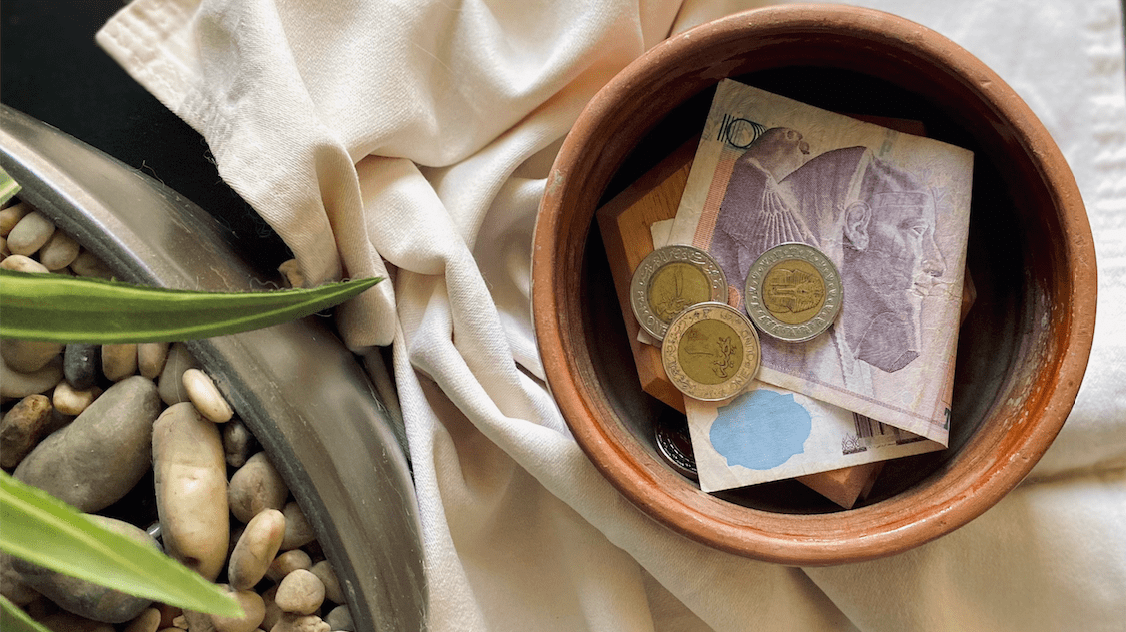
Money is a bird’s eye-view into a society: every symbol is a cultural microcosm, its language a direct look into each home. A single bill could travel from hand to hand, from office to fruit-truck, and every person along the journey would recognize the mosque on its front, the temple on its back, and the weight of it in their palm. That is the power of the Egyptian Pound.
To honor it as a historical keystone of Egyptian culture for the past century, here is the evolution of the humble Pound bill.
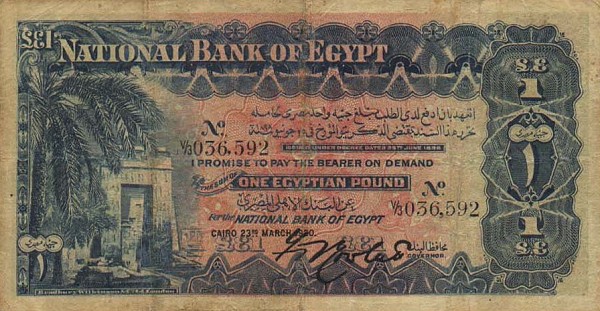
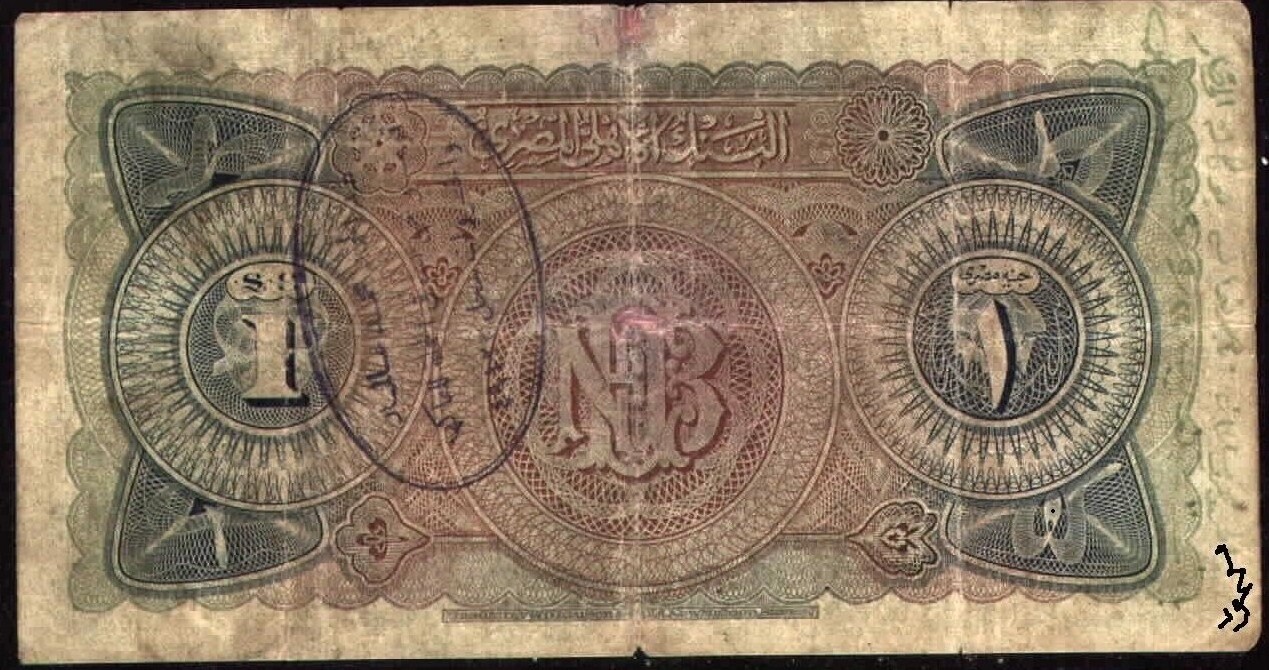
1920
The first Pound was printed in 1914, following a decree that made it Egypt’s main currency. At the time, any and all available bills were printed by the Ahli Bank. This later changed in the 1960s, following the 1952 coup d’etat headed by the Free Officers Movement.
1930 – 1940
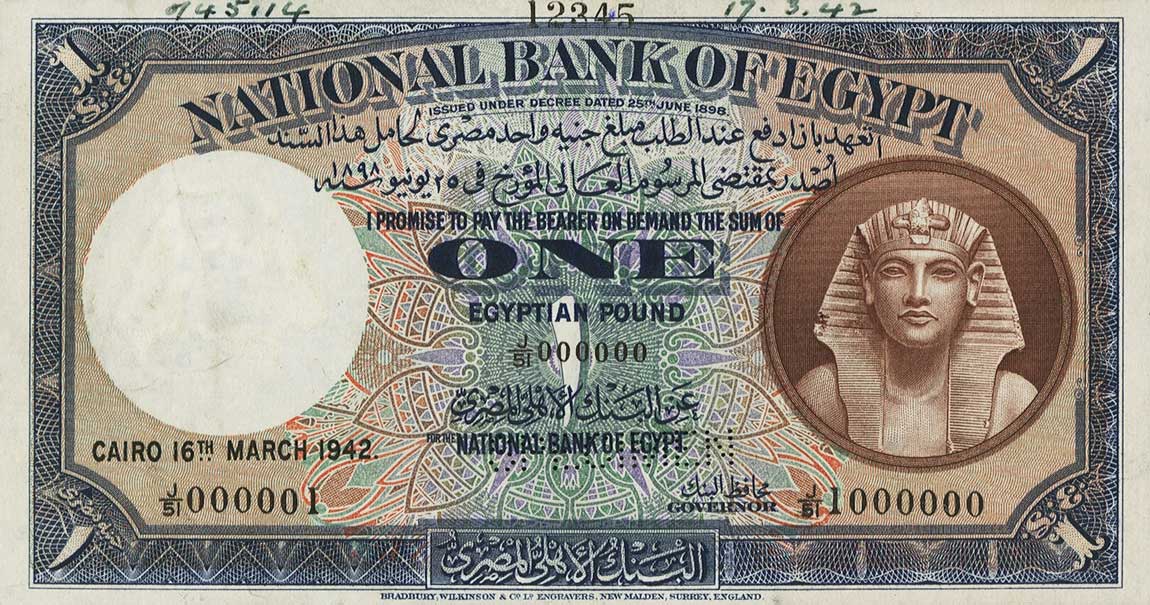
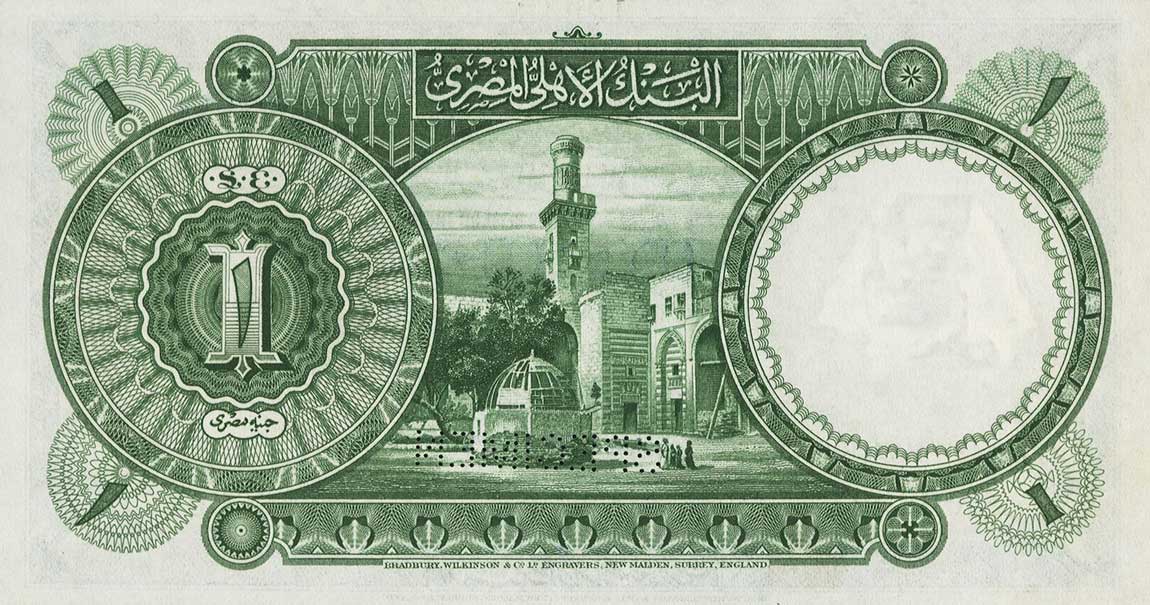
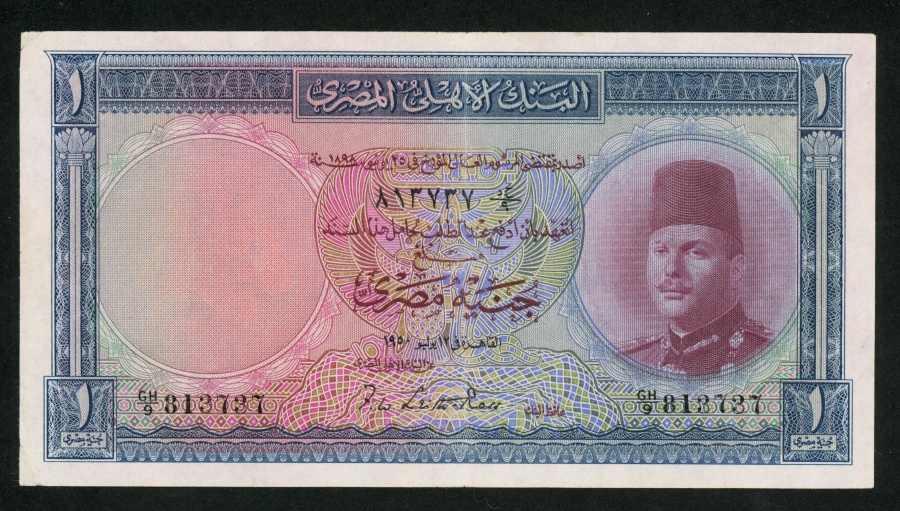
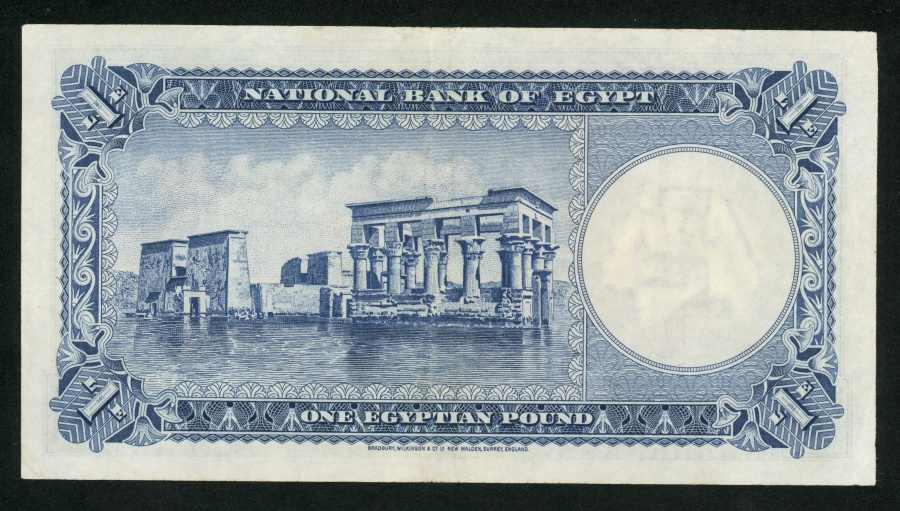
1950
This is an image of the final bill to represent the monarchy; featured is King Farouk, son of the Former King Fouad. Shortly after the issuing of this bill, Gamal Abd El Nasser would lead the Free Officers Movement and assume sovereignty of Egypt. From then, an era of republicanism and attempted socialism began.
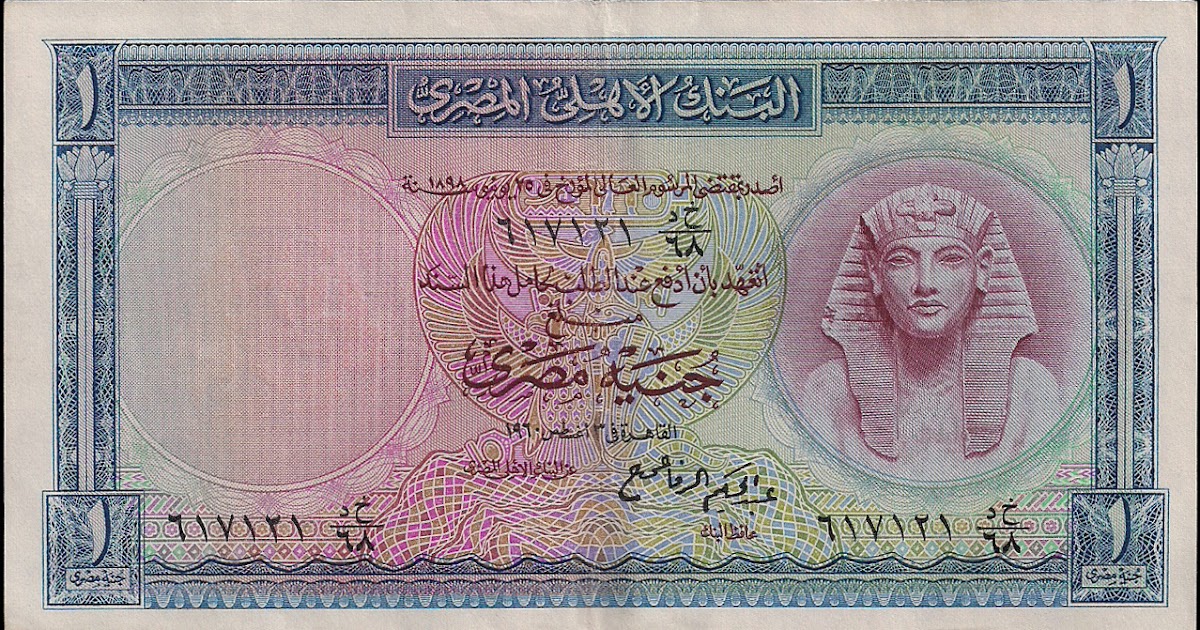
1960
This is the first bill to be issued under Gamal Abd El Nasser, after the establishment of Egypt’s Central Bank. It returns the Egyptian Pound’s imagery to one that is solely cultural rather than political, one side featuring the revolutionary and indelible Akhenaten – who, similarly, sought to change the socio-religious realities in Egypt. The back of the bill features one of Egypt’s most profound monuments to date: the Temple of El Karnak.
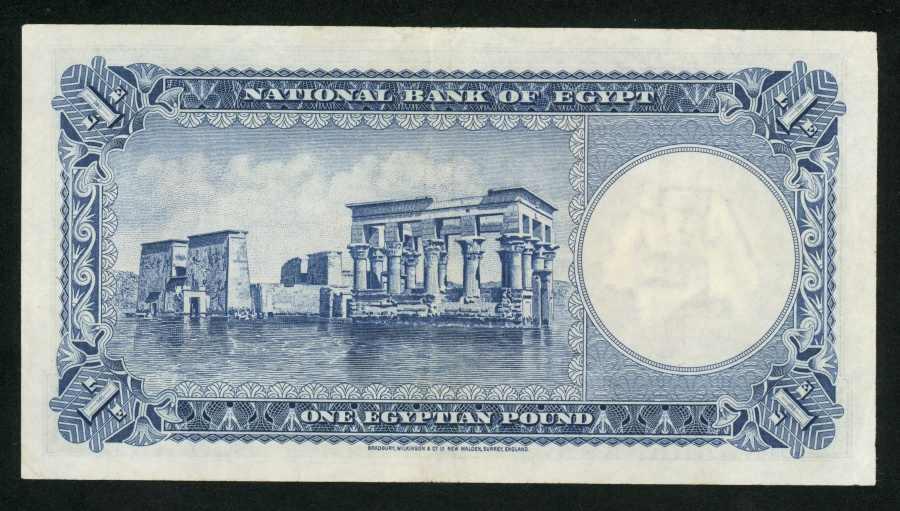
1970
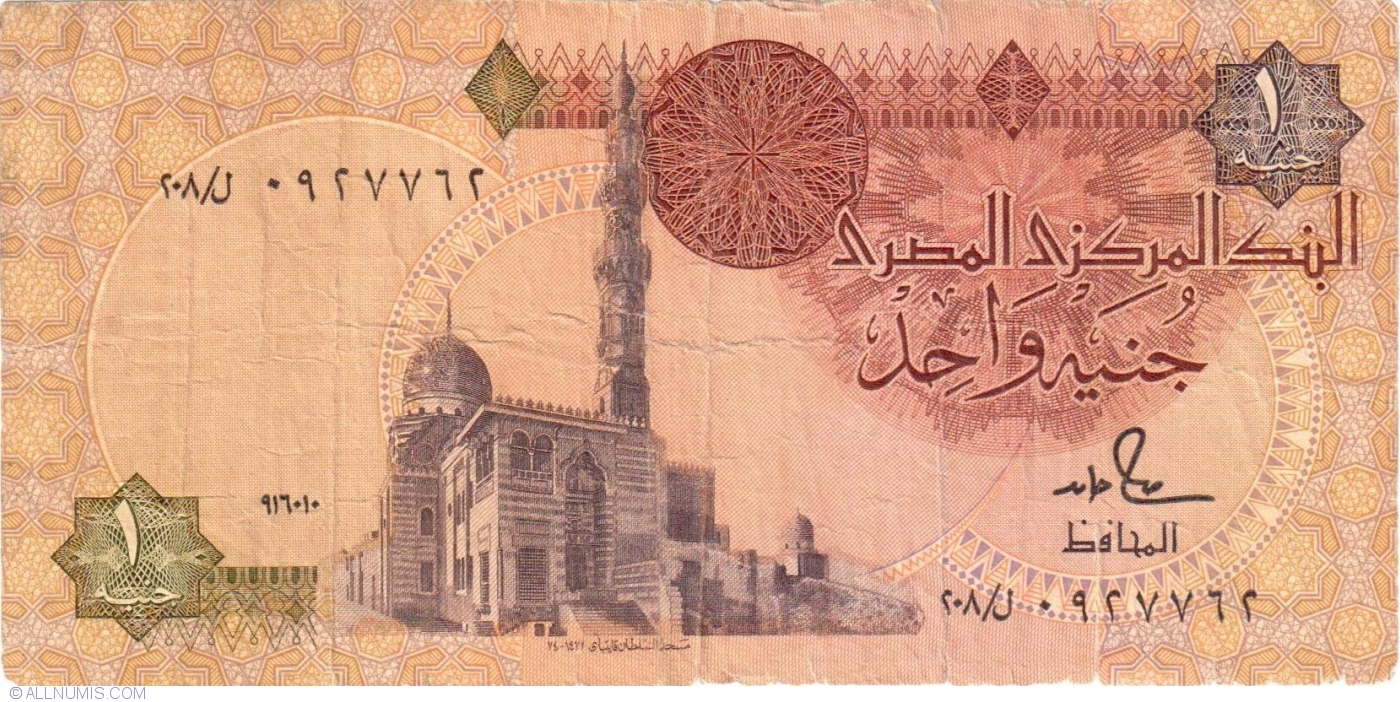
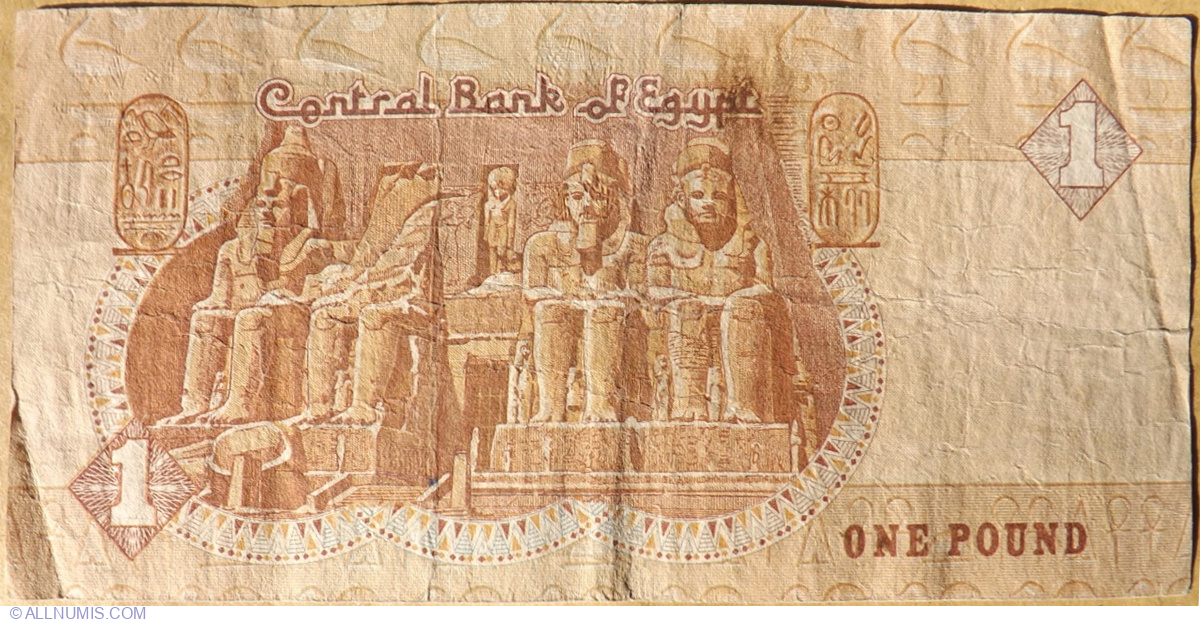
Anwar El Sadat succeeded Abd El Nasser early on in the 1970s, shortly after the previous President’s passing. The Egyptian Pound would take on the iconic vision of Abu Simbel, and it’s back would house the mosque of Sultan Qaitbay – the latter of which would remain on the Pound well into the 21st century.
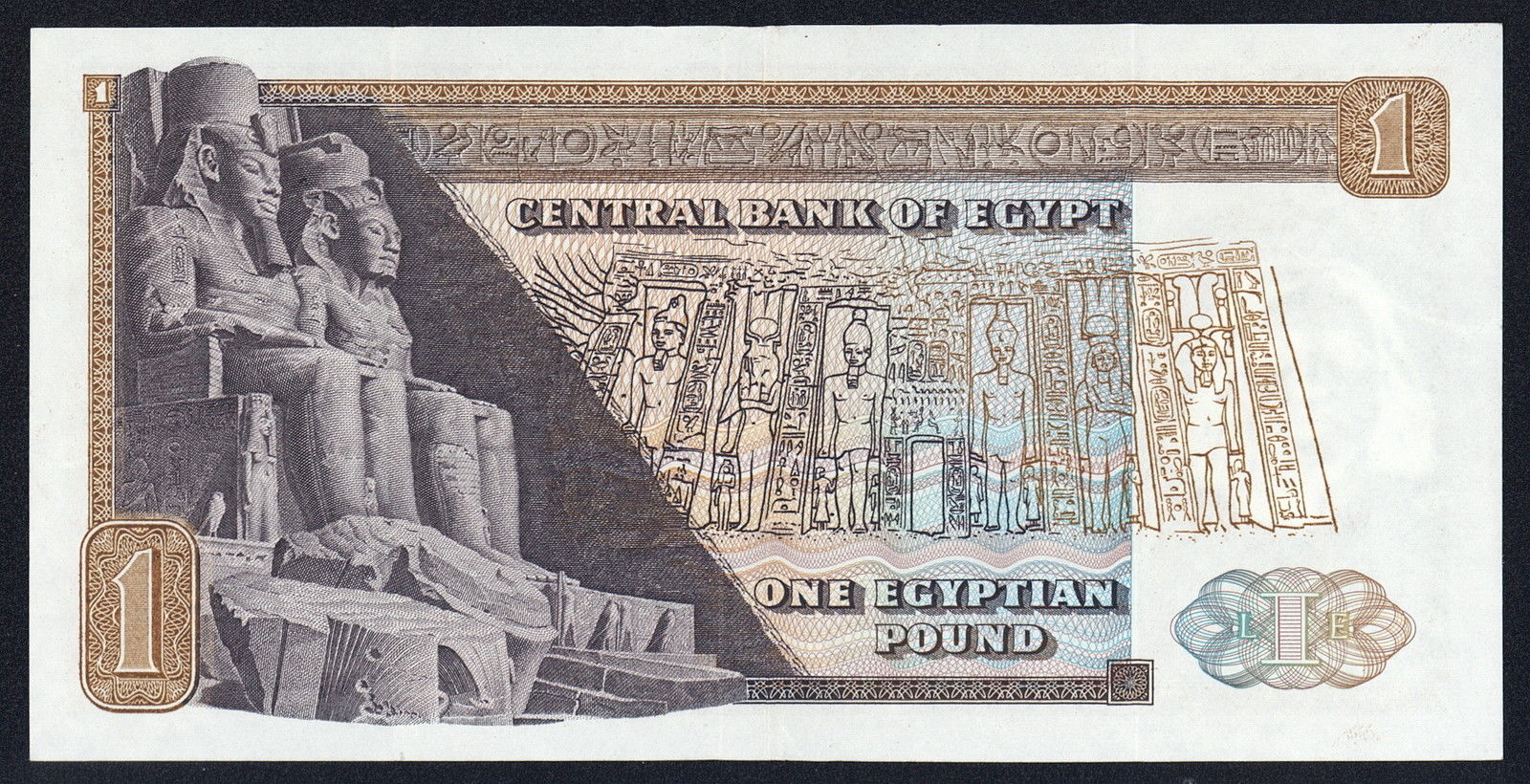
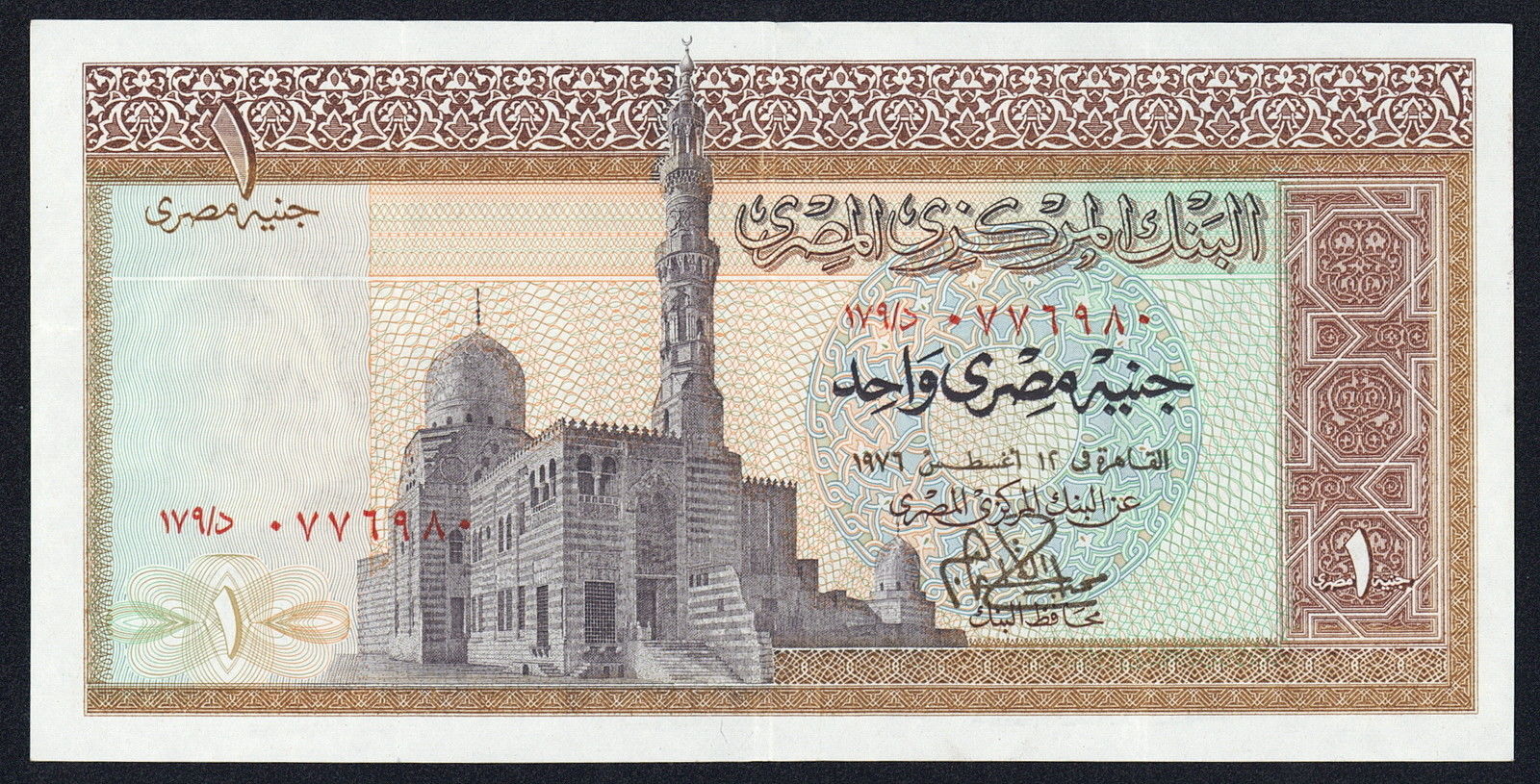
1980
After a bout of back to back warfare, with striking success in the Arab-Israeli conflict of 1973, El Sadat was engraved onto the Pound coin to honor his efforts, sacrifices, and peace-brokering during the tumultuous period. His profile is in the forefront, parallel to a dove with an olive branch pinched in its beak – the universal symbol for harmony, love, and the onset of peace.
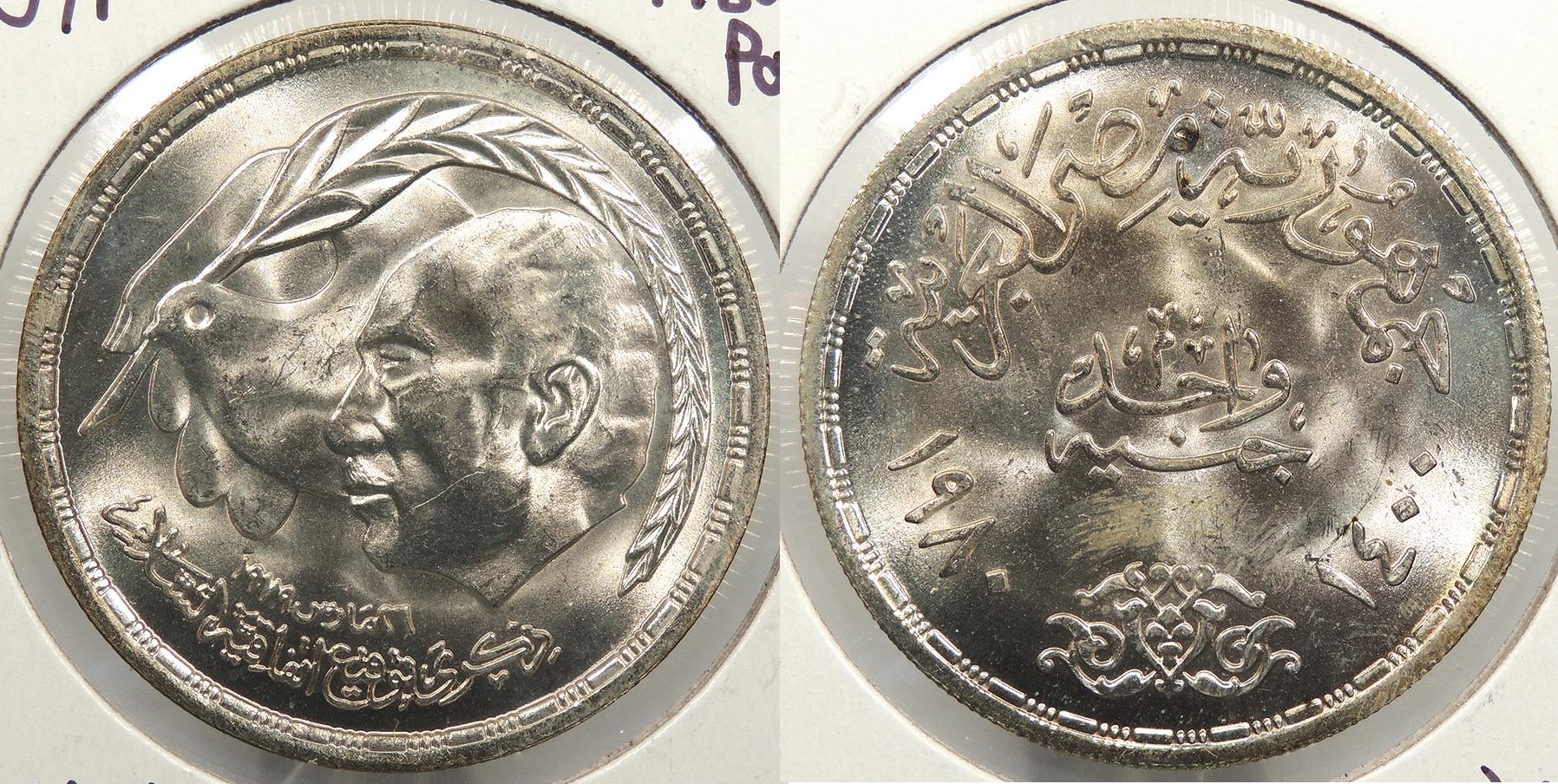
1990
The return of Abu Simbel came during the nineties, along with the recurring image of the Sultan Qaitbay mosque. This is the second time the sites are featured together, both representative of Egypt’s ever-evolving spirit of art, culture, and theology. The Qaitbay mosque is revered as one of Islamic Cairo’s most arresting beauties, while Abu Simbel is widely known as a marvel of Ancient Egyptian architecture due to its size and location.
2010 – 2015
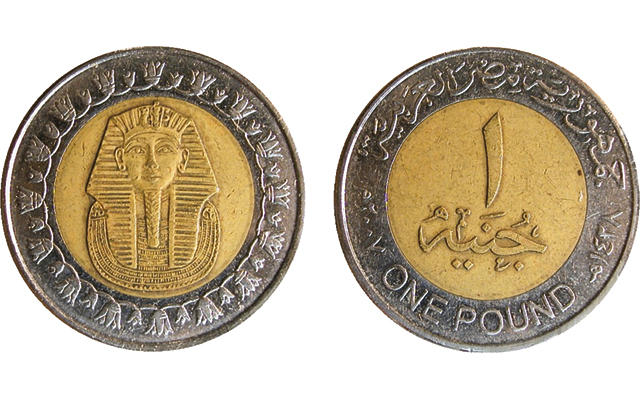
King Tutankhamun is Egypt’s most famous boy-king, and although he was not known for much in terms of grand, memorable feats, his intact tomb was excavated in 1922 by Englishman Howard Carter. Inside was a vision of gold, untouched artifacts, and immeasurable insight into the world of a Pharaoh. Accordingly, Egypt’s transition from printed bill to coin saw his image placed against a gold-like background, in honor of the late king’s contributions to modern Egyptology.

2016 – PRESENT
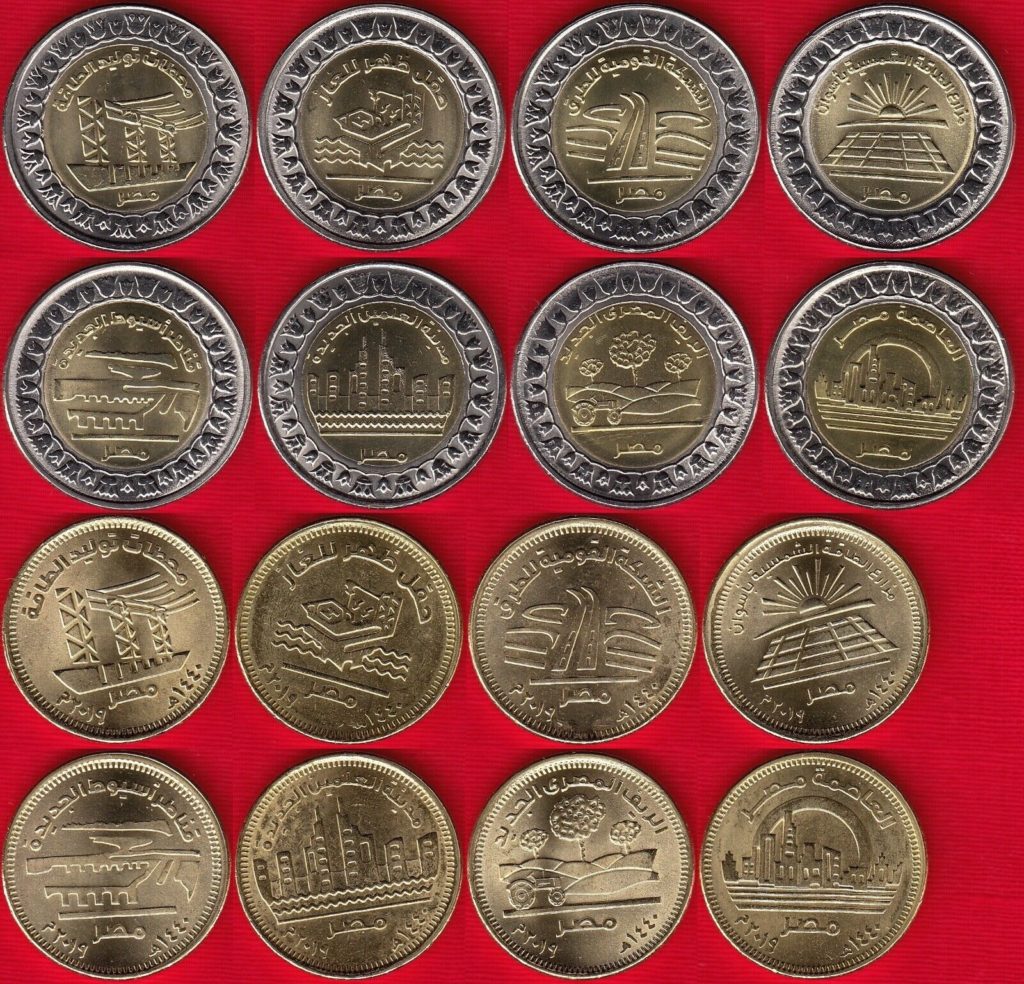
After grappling with unrest and several socio-political identity crises, Egypt has chosen to celebrate its victories instead. Under President Abdel Fatah El Sisi, the Egyptian Pound is seen featuring some of modern Egypt’s grandest accomplishments, including but not limited to the expansion of the Suez Canal and the building of El-Alamien.

Comments (2)
[…] التطور البصري للجنيه المصري الحناء المصرية: عشب قديم أعاد تعريف فن الجسم […]
[…] Visual Evolution of The Egyptian Pound – Egyptian Streets […]