


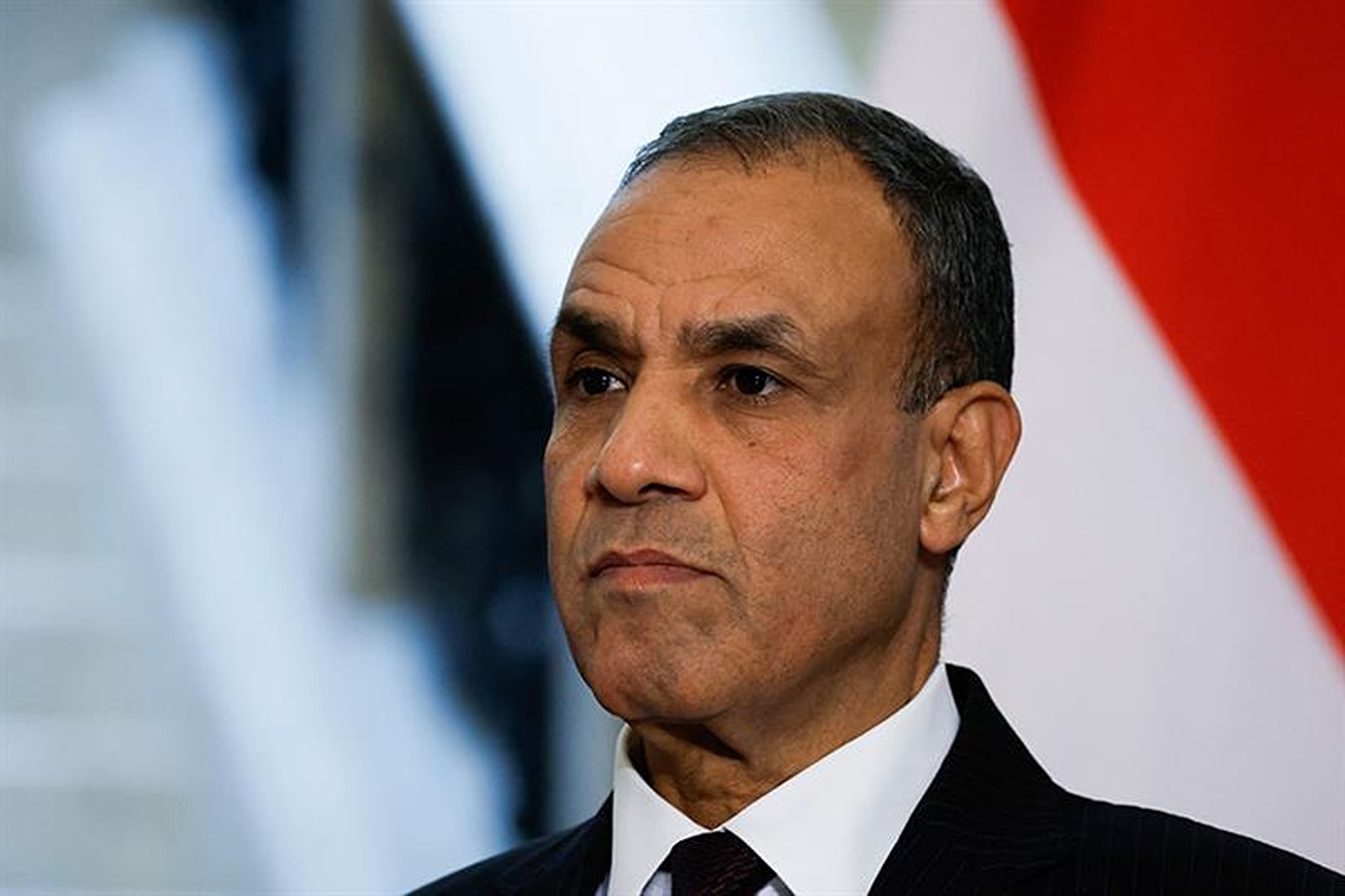
An emergency ministerial meeting of the Arab League was held on Sunday, 8 March, to address rising military tensions in the region and recent attacks attributed to Iran against several Arab states.
Egypt’s Foreign Minister, Badr Abdelatty, participated in the virtual session, which was chaired by the United Arab Emirates. The meeting focused on regional security and ways for Arab countries to respond collectively to growing threats.
During the discussions, Abdelatty expressed Egypt’s full solidarity with Gulf countries as well as the Hashemite Kingdom of Jordan and the Republic of Iraq, following what he described as Iranian attacks on their sovereignty. He strongly condemned the strikes and rejected any attempts to justify them.
Abdelatty also called for strengthening collective Arab security, emphasizing that Arab states must work together to address regional threats. As part of this effort, he highlighted the need to activate frameworks for joint Arab cooperation, including the possible formation of a joint Arab defense force to help protect the security and sovereignty of Arab nations.
The idea of a unified Arab military force is not new. In 1950, Arab League members signed the Joint Defence and Economic Co-operation Treaty, which created a framework for collective defense and military cooperation among Arab states. However, despite the treaty’s provisions, a permanent joint Arab military force was never fully activated.
In 2015, Arab leaders meeting in Sharm el-Sheikh agreed in principle to create a joint Arab military force to address security threats across the region, including extremist groups and ongoing conflicts in countries such as Iraq, Libya, and Yemen.
War Between the U.S. and Iran
The emergency Arab League meeting comes as the Middle East faces a rapidly escalating conflict between the United States, Israel, and Iran.
The war began on 28 February, when U.S. and Israeli forces launched a large-scale air campaign targeting Iranian military and strategic sites. Iran responded with missile and drone attacks against Israel and against locations in several Gulf states where U.S. forces are stationed.
Some attacks have damaged civilian infrastructure and caused casualties, increasing pressure on Arab governments to respond collectively. Saudi Arabia has warned Tehran that continued attacks on its territory or energy infrastructure could trigger retaliation. According to officials familiar with the discussions, Riyadh told Iran it prefers a diplomatic solution but may respond militarily if strikes continue.






Comments (0)