


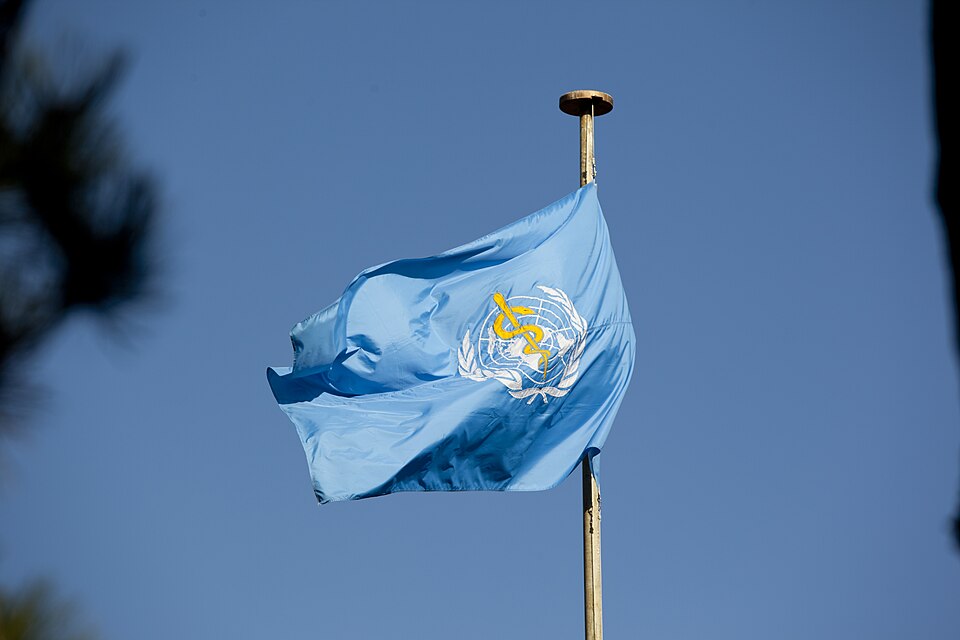
The World Health Organisation (WHO) designated Egypt’s Field Epidemiology Training Program (FETP) as a WHO Collaborating Centre for field epidemiology training, 18 July.
Egypt FETP is the first WHO Collaborating Centre across the Eastern Mediterranean Region and Africa concentrated on epidemiology training.
Founded in July 2025, Egypt FETP focuses on the prevention, control and response to vector-borne diseases. Accounting for more than 17 percent of all infectious diseases globally, such diseases are defined by their transition by living organisms, or vectors.
For example, malaria, a prominent example of a vector-borne disease, is a parasitic infection transmitted by Anopheline mosquitoes.
Founded in 1993, with support from the WHO, Egypt FETP brings together professionals from across the nation to participate in classroom and practical training. This training lasts six months. Since its establishment, the programme has graduated 385 epidemiologists.
WHO collaborating centres are an international network of institutions working to support the Organisation’s programmes, such as field epidemiology training. Currently, there are over 800 such centres in over 80 WHO Member States.
A designation is initially granted for a four year period, and may be later renewed. Designations provide the WHO with access to leading health institutions around the world, while institutions are granted greater visibility and acclaim.
The designation highlights the growing national and regional role Egypt plays in strengthening epidemiology training, prevention and response.
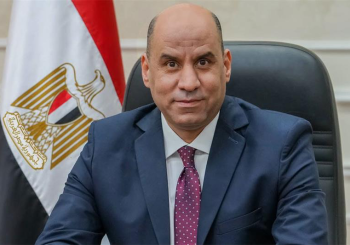
In statements made to the State Information Service, 18 July, Health and Population Minister Khaled Abdel Ghaffar noted that the designation will further enhance Egypt’s ability to respond to public health emergencies.
Abdel Ghaffar added that it will allow the country to better support regional health security, providing technical support and expertise to neighbouring countries.



Comments (0)