


From early 2022 through 2025, consumer prices in Egypt rose sharply, affecting general purchasing power and increasing the cost of non-essential goods, including sports equipment.
While training fees and club memberships have risen, a major portion of this shift is attributed to the soaring costs of sports equipment, items that were once relatively affordable, but now pose a challenge for some families striving to keep their children engaged in athletics.
Data from industry analyses, including Ken Research and Research and Markets, illustrate that the cost of sports equipment, like football gear as well as tennis and squash racquets) has escalated due to various economic factors.
Rapid inflation in Egypt and fluctuations in the Egyptian pound against major foreign currencies (particularly the US dollar and euro) have contributed to rising prices, alongside heavy reliance on imported goods all contribute to the increasing prices that some families face.
Economic Drivers Behind the Price Increases
Egypt has a high reliance on imported sports equipment, which significantly impacts local pricing.
Egypt imported EGP 3 billion (USD 84.31 million) worth of goods classified as ‘toys, games, and sports requisites’ in 2024, according to international trade statistics, a category that includes sporting equipment such as balls, rackets, and other athletic gear.
Moreover, Egypt relies heavily on imported sports equipment, with the largest share coming from China, followed by Italy, Turkey, the United States, Germany, and Spain. These imports include balls, rackets, athletic apparel, and other gear.
This dependence on imports becomes more consequential when combined with the country’s tariff structure. Egyptian tariff rates can reach up to 30 percent on sports equipment, as detailed in reports by Ken Research. These added costs accumulate throughout the supply chain, ultimately raising consumer prices and making sports gear more expensive in Egypt.
Economic conditions further intensify this pressure on prices.
Egypt has faced persistent inflation that has often outpaced wage growth, as well as repeated currency devaluations since 2016.
Research from Research and Markets indicates that both sportswear and equipment have experienced price increases that exceed those of general consumer goods including squash & tennis racquets, football boots, and even basketballs.
Impact on Sports Equipment
Football remains the most accessible and widely practiced sport in Egypt.Yet basic equipment such as football shoes and balls have seen noticeable price increases.
Data from major online retailers in Egypt shows that branded football boots are priced in a range that reflects relatively high costs for many families.
For example, in Jumia Egypt, Nike football boots are listed mostly between approximately EGP 5,375 (USD 113.34) and EGP 8,400 (USD 177.13) for club and academy models.
Similarly, Puma’s official Egypt site lists football boots in the EGP 4,199–7,999 (USD 88.55 – 168.68) range, with some higher‑end styles reaching even greater prices. Adidas listings on local sites show premium boots with prices above EGP 7,000 (USD 147.61) and even higher for elite models.
In addition to footwear, footballs have similarly experienced price hikes, with match-quality balls priced between EGP 800 (USD 16.87) and EGP 1,500 (USD 31.63). Training balls, which are crucial for young athletes practicing regularly, are listed at EGP 450 to EGP 900 (USD 9.49 – 18.98).
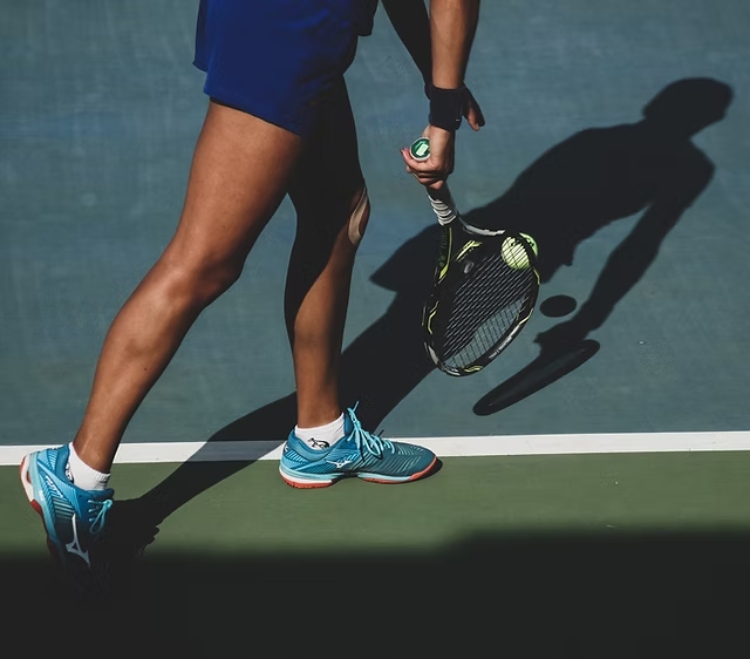
The costs associated with racket sports, particularly tennis and squash, have also seen some of the steepest increases because these sports are almost entirely reliant on imports. Additionally, some of these racquets are made of advanced materials such as graphite and carbon fiber which worsens the cost issues for some athletes and families alike.
Current prices for tennis racquets showcase this trend, with entry to mid-level options costing between EGP 4,500 and EGP 7,500 (USD 94.89 – 158.15), while advanced models can reach EGP 20,000 (USD 421.75) or more.
Squash racquets follow a similar pattern, with professional-level models retailing for EGP 7,500 to EGP 9,000 (USD 94.89 – 189.79).
Additionally, basic team sports equipment, including basketballs, volleyballs, and protective gear, demonstrates similar inflationary trends. Prices for basketballs range from EGP 500 (USD 10.54) to EGP 1,500 (USD 31.63), while volleyballs are similarly priced between EGP 400 (USD 8.43) and EGP 1,200 (USD 25.30).
Broader Implications for Youth Sports
Some families report challenges in sustaining their children’s participation in year‑round training due to rising equipment costs.
Ayat Gamal noted that equipment costs, including rackets and related gear, have risen for her 14-year-old son, Fouad El Soufy, a competitive squash player.
“We’re hoping he can break into the top five in his age category nationally to secure sponsorship from a recognized squash racquet company,” she said.
Similarly, Hossam Fekry, a construction engineer, explained that his daughter’s tennis training has become more costly over time.
He emphasized that both practice sessions and equipment expenses have steadily increased, creating an added financial burden for families committed to the sport.
The data shown above reveal that prices for sports equipment in Egypt have increased across multiple categories, including football, tennis, squash, and team sports gear.
Import dependence, high tariffs, inflation, and currency fluctuations are key factors driving these price changes. These trends have implications for families and young athletes, affecting the affordability of training and participation.






Comments (0)