


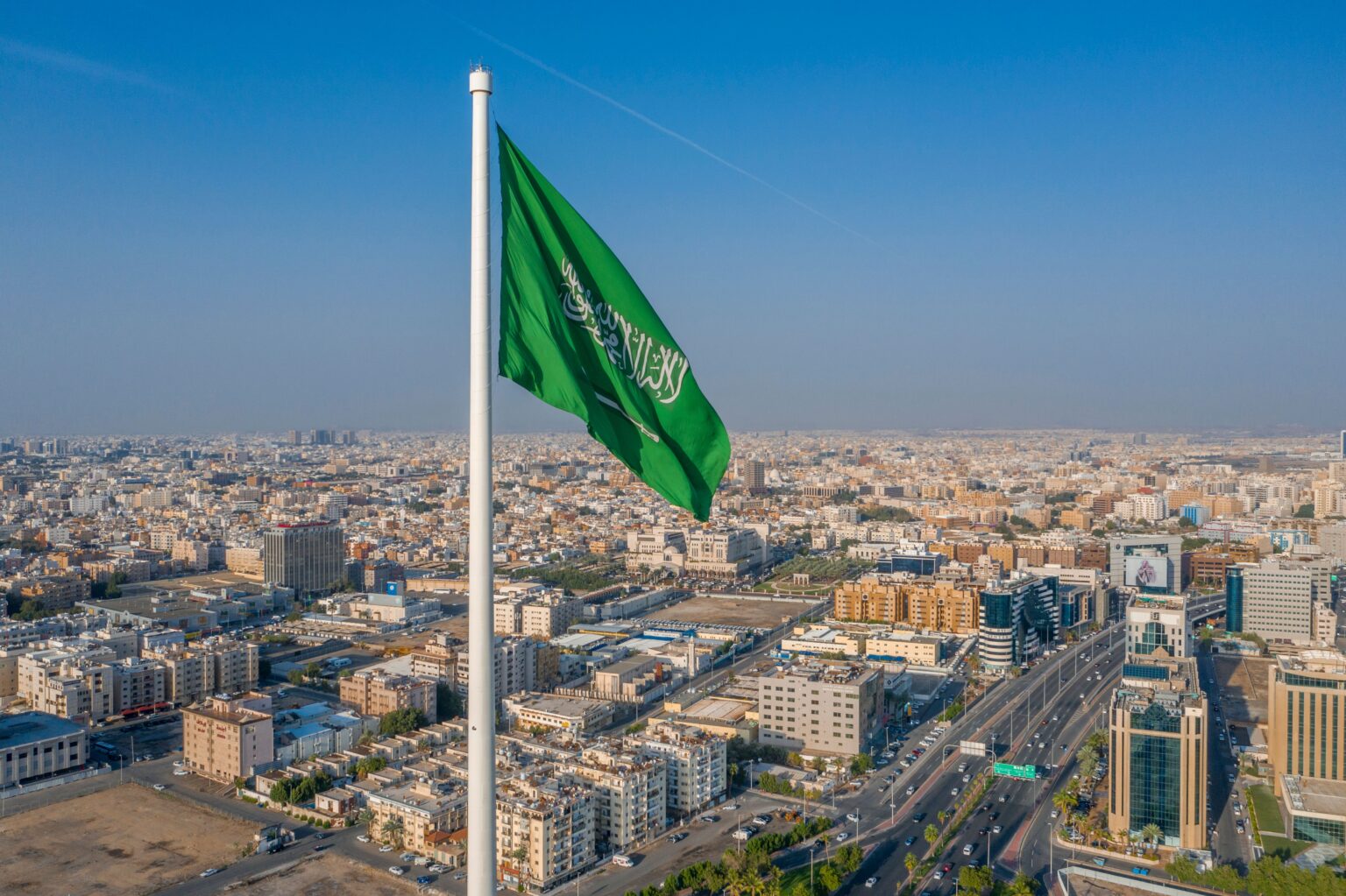
Saudi Arabia’s Ministry of Foreign Affairs has issued a statement condemning what it described as a “cowardly” Iranian attack targeting the United States Embassy in Riyadh, as regional tensions continue to escalate.
In a statement released on 3 March 2026, the Kingdom expressed its “strongest rejection and condemnation” of the attack on the US diplomatic compound, stressing that such actions violate international law and diplomatic conventions, including the 1949 and 1961 Vienna Conventions that grant immunity to diplomatic missions even during armed conflict.
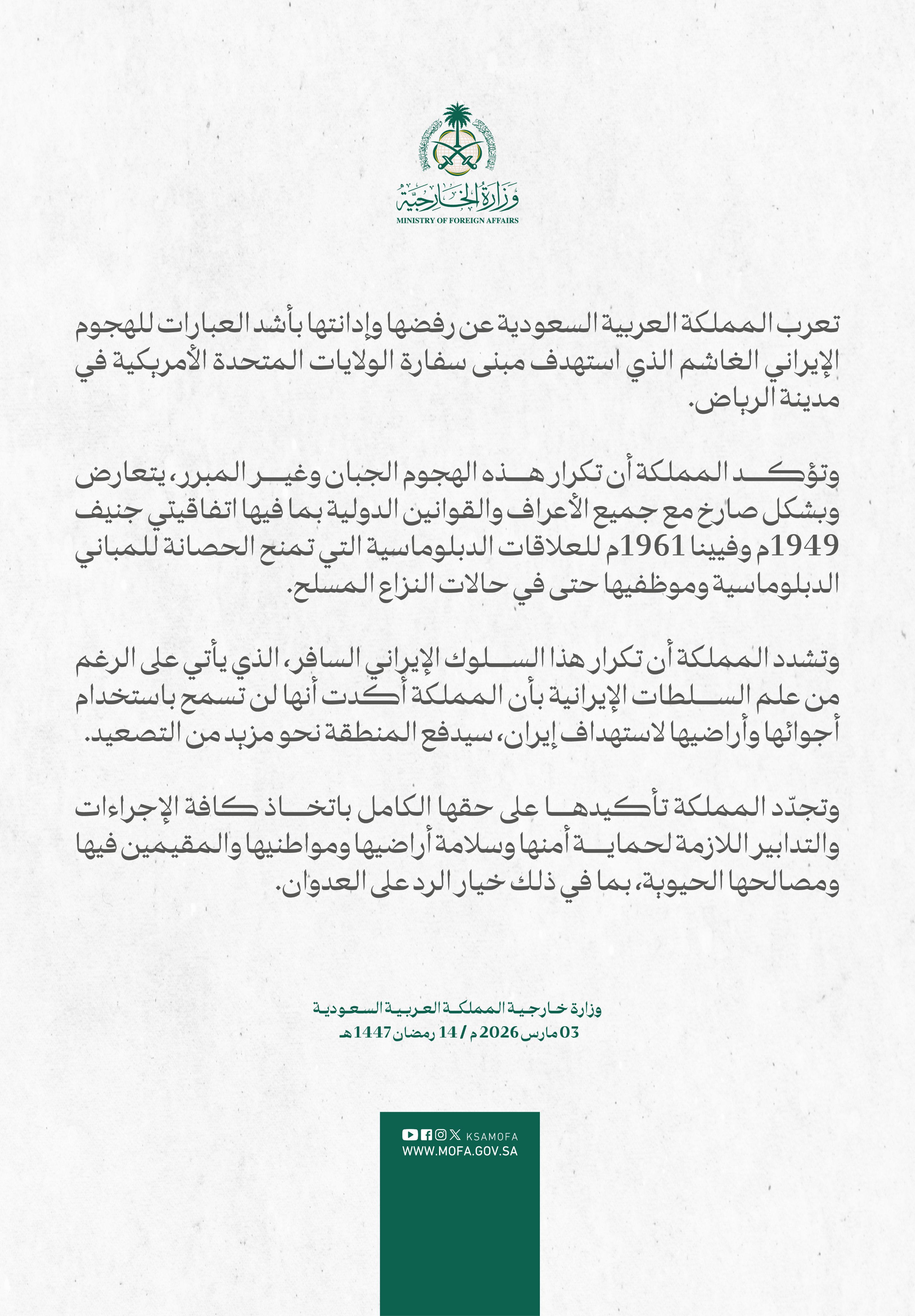
The statement reaffirmed Saudi Arabia’s right to take all necessary measures to safeguard its territory, citizens, residents, and vital interests, “including the option of responding to the aggression.”
Drones Intercepted Near Riyadh
The Ministry of Defense previously confirmed that two drones targeted the US Embassy in Riyadh, resulting in a limited fire and minor material damage. No casualties were reported.
Subsequent Saudi reports indicated that air defenses intercepted additional drones near Riyadh and Al Kharj, suggesting continued attempts to strike targets within the Kingdom’s central region.
The current escalation traces back to late February 2026, when the United States and Israel launched coordinated strikes inside Iran, targeting what they described as strategic military and security infrastructure. The strikes resulted in the killing of Iranian Supreme Leader Ayatollah Ali Khamenei.
In response, Iran initiated a series of retaliatory actions across the region, including drone and missile launches aimed at military and diplomatic sites associated with US and allied presence.
Since then, multiple countries across the Middle East have reported interceptions of projectiles, temporary airspace closures, and heightened security measures.
Airlines have suspended routes, embassies have issued shelter in place advisories, and energy infrastructure has been placed under reinforced protection.
The widening scope of the conflict has increased concerns that it may evolve into a prolonged regional confrontation rather than a limited exchange.





Comments (0)