


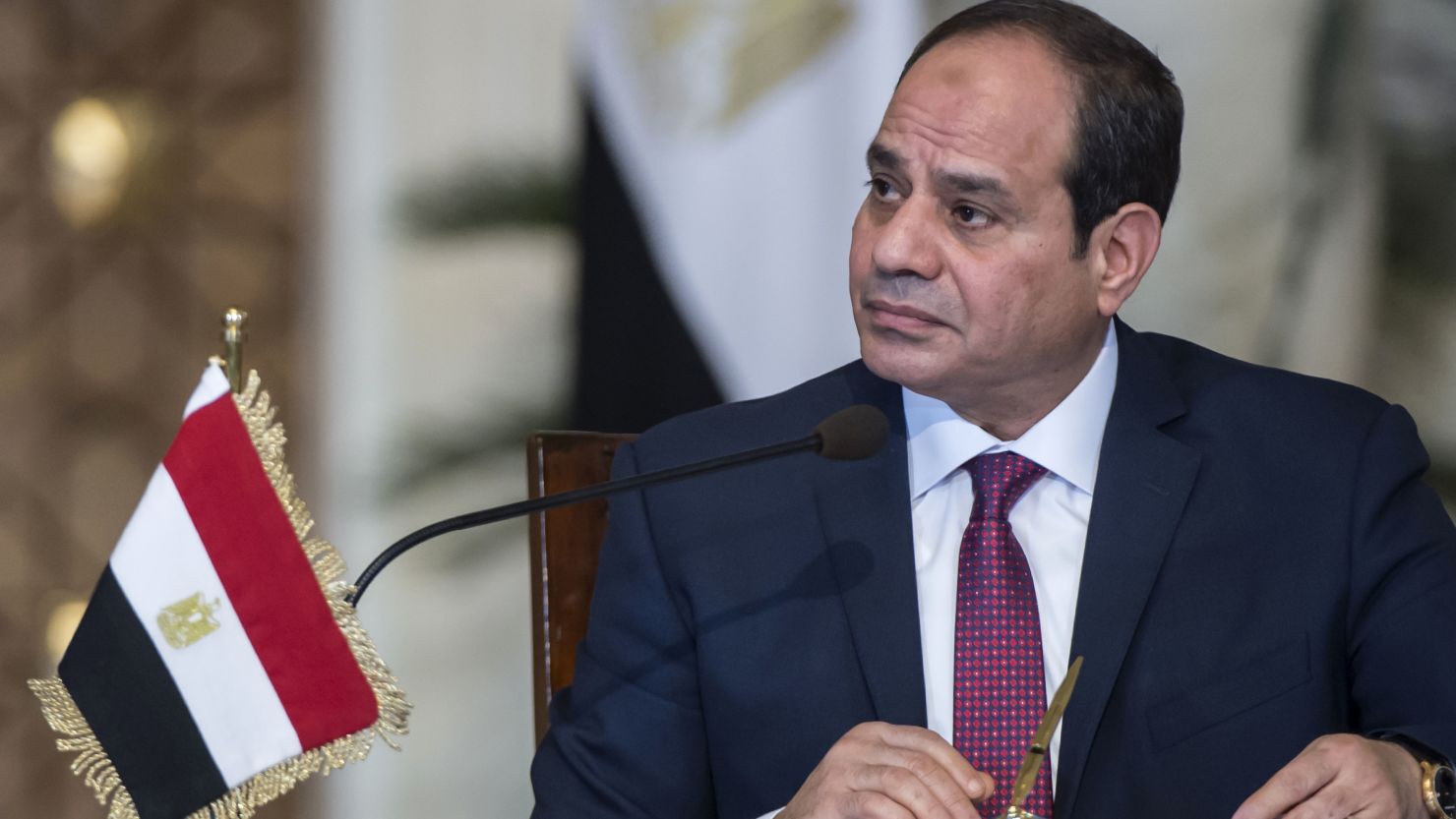
Egyptian President Abdel Fattah Al-Sisi said that Egypt must serve all citizens equally, including believers and atheists, stressing that government institutions should represent everyone regardless of their religious beliefs.
Speaking during an iftar banquet hosted by the Police Academy, Al-Sisi said that while religion guides individuals in their personal lives, the state must remain responsible for the welfare of all members of society. He emphasized that countries are made up of people with different beliefs and backgrounds, and therefore, the role of the state is to serve everyone equally without discrimination.
The president also warned that ignorance, especially ignorance about religion, poses one of the most serious dangers to any nation. He said misunderstanding religion can lead to conflict in society and confusion between personal religious practice and the responsibilities of the state.
Al-Sisi explained that personal faith concerns individual practices such as prayer, fasting, and moral behavior. The state, however, has a broader responsibility because it governs people of different beliefs, including Muslims, Christians, and those who do not follow any religion. For that reason, he said, the state should ensure equal treatment for all citizens.
Although Al-Sisi’s remarks emphasized inclusion, the position of atheists and non-believers in Egypt remains complex. Egypt’s constitution states that citizens are equal before the law and prohibits discrimination based on religion or belief.
However, the country officially recognizes only three religions, Islam, Christianity, and Judaism, leaving atheists and followers of other beliefs without formal recognition in many legal contexts. Publicly identifying as an atheist is rare in Egypt, where religious identity remains a central part of social and cultural life. Atheists can often face social stigma and discrimination campaigns.






Comments (0)