


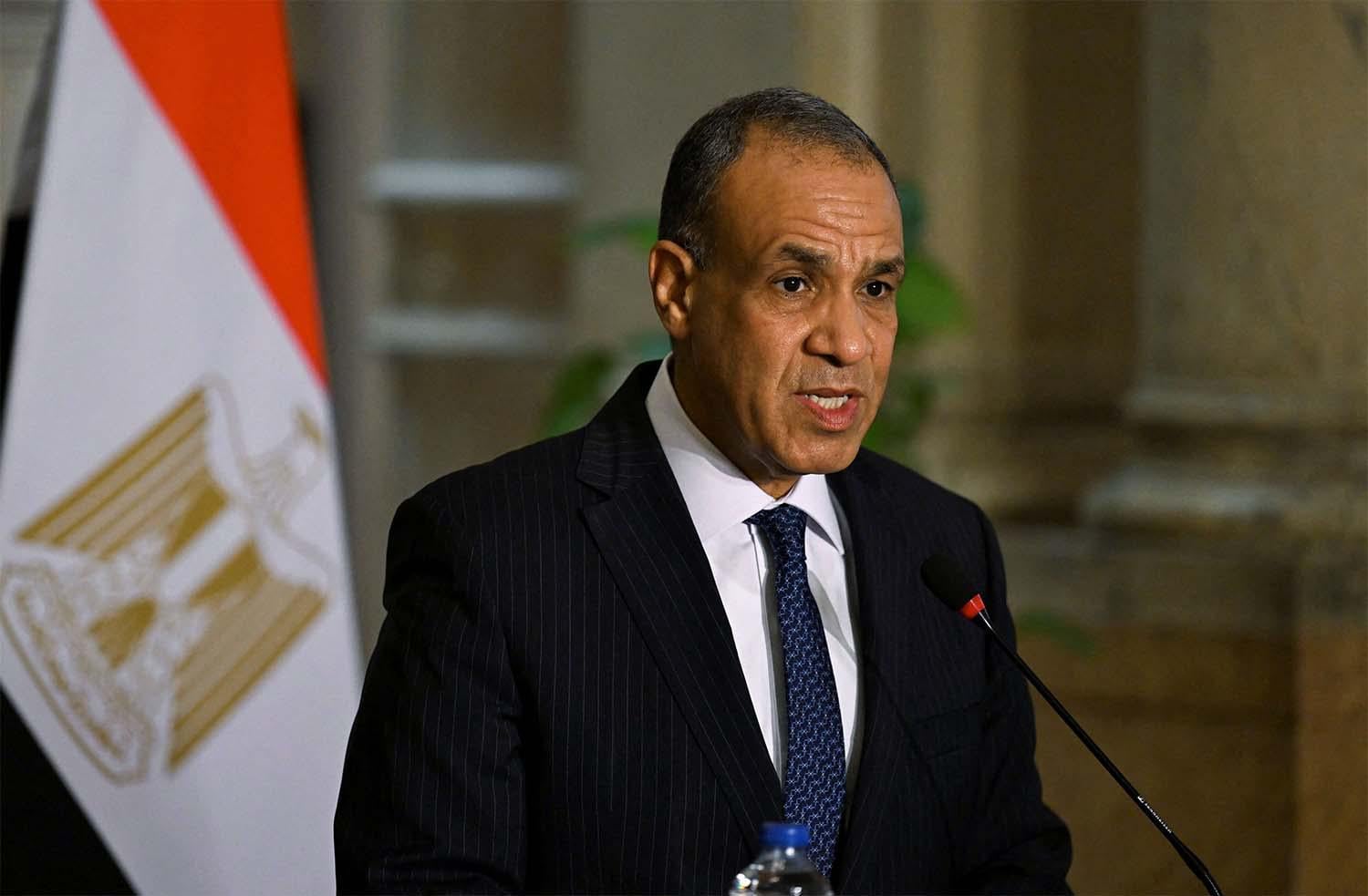
Egypt’s foreign minister Badr Abdelatty warned on Sunday, 5 April that rising tensions in the Middle East could lead to a major regional crisis, as Egypt steps up diplomatic efforts to calm the situation.
Under the direction of President Abdel Fattah Al-Sisi, Abdelatty has held a series of phone calls with regional and international officials. These include U.S. envoy Steve Witkoff, Iranian Foreign Minister Abbas Araghchi, and head of the International Atomic Energy Agency Rafael Grossi, as well as ministers from several Arab and regional countries.
In these calls, Abdelatty said the current escalation could result in an “unprecedented regional explosion,” with serious economic and political consequences. His comments come as Egypt works to reduce tensions through talks with key countries.
The talks come at a sensitive time, with a 6 April deadline set by the U.S. President Donald Trump for Iran to respond to a proposal about reopening the Strait of Hormuz. The United States has warned of strong action if Iran refuses and that “all hell will reign down”, while Tehran has said only “non-hostile vessels” can pass through the waterway.
Egypt’s foreign ministry said the discussions focused on the fast-changing and “dangerous” situation, with efforts aimed at reducing military escalation and encouraging dialogue.
Abdelatty stressed the need to avoid targeting civilian infrastructure and repeated Egypt’s condemnation of reported Iranian strikes on Gulf states, Jordan, and Iraq. He called for respect for countries’ sovereignty and for an immediate stop to actions that break international law and the United Nations Charter.
The talks also highlighted concerns about possible impacts on global energy supplies, food security, and overall stability. Egypt is also coordinating with countries such as Saudi Arabia, Turkey, and Pakistan as part of wider efforts to calm the situation. Parallel meetings have taken place in Islamabad, along with contacts involving China.
At the same time, Iran has said it wants a long-term solution to the conflict. Araghchi stated that Tehran is seeking a “conclusive and lasting” agreement, rather than a temporary ceasefire.



Comments (0)