


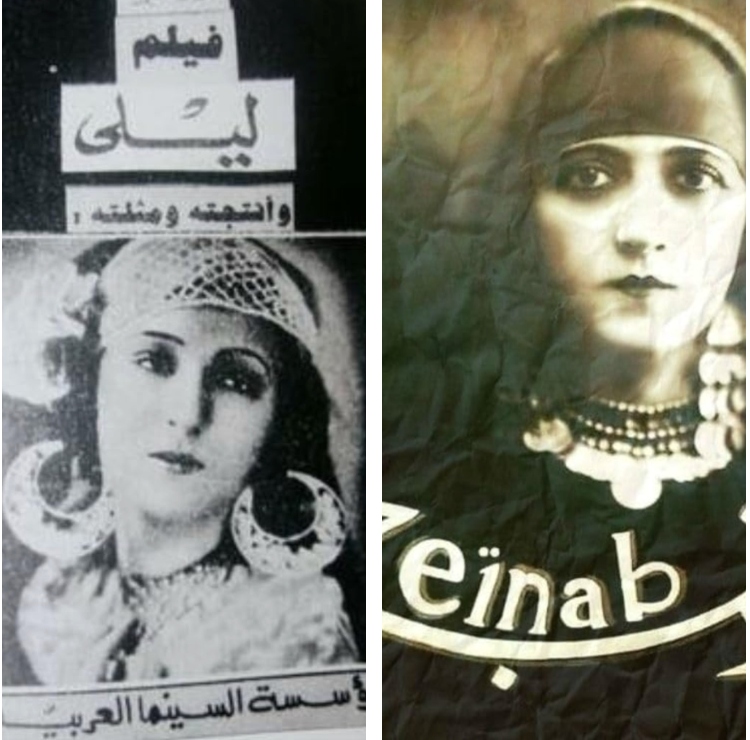
The rise of cinema in Egypt in the 1910s and 1920s introduced a new chapter in national art, with silent films redefining how stories were told on screen. Silent films are movies produced without synchronized recorded dialogue, relying instead on expressive acting, intertitles, and live or recorded music to convey emotion and narrative.
In Egypt, early silent films such as Laila (1927) and Zaynab (1930) played a foundational role in shaping the country’s cinema, using visual storytelling to explore themes of love, social class, and moral conflict according to Ahram Online. Laila marked the beginning of Egyptian national cinema, while Zaynab brought realistic depictions of rural life and emotional depth to the screen.
“Laila,” directed by Wedad Orfi and Stephan Rosti, is frequently recognized as the first full-length Egyptian feature film that showcased significant local involvement, both in front of and behind the camera.
It premiered on 16 November, 1927, at the Metropole Cinema in Cairo, where it received a warm reception from audiences.
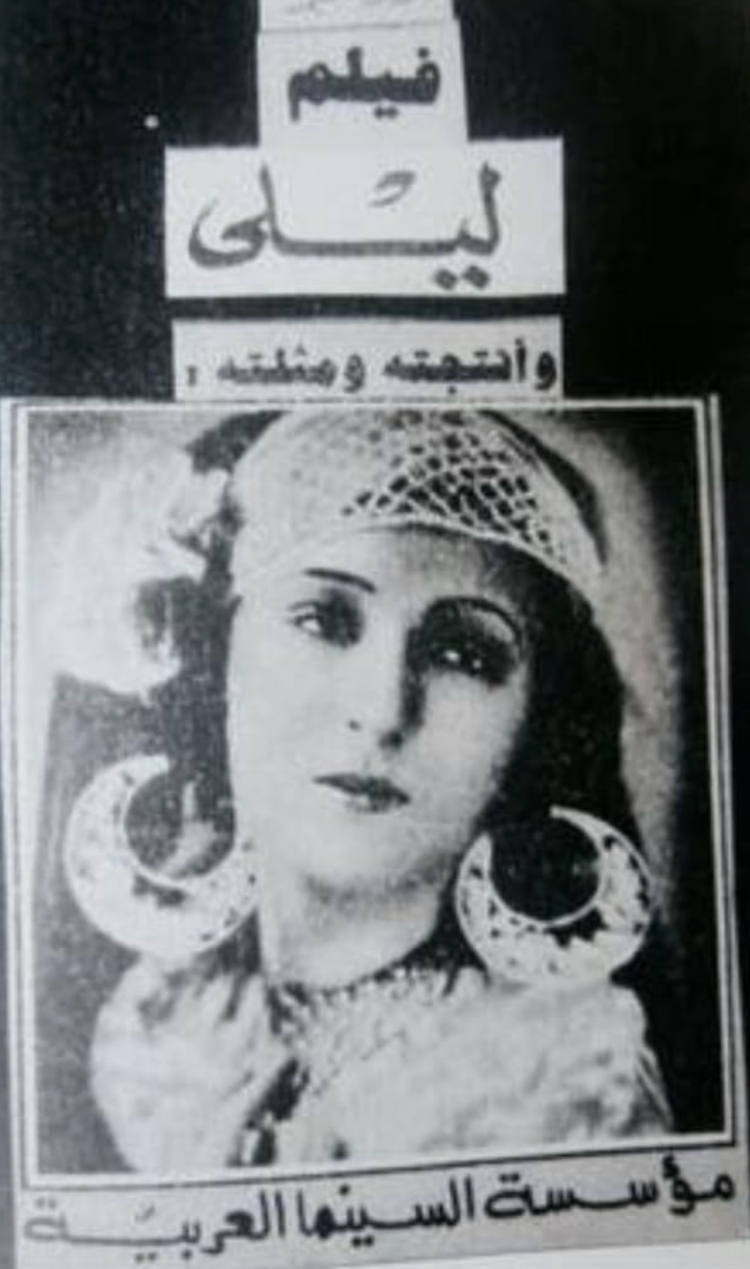
“Laila: was produced by Aziza Amir, who established herself as a trailblazing actress and filmmaker in Egypt and was often referred to as the “founder of cinematic art in Egypt,” according to Bibliotheca Alexandrina.
Steeped in themes of infidelity, societal judgment, and the consequences of moral transgressions, the narrative of “Laila” follows the character of Laila (played by Aziza Amir), who becomes pregnant by her lover, Ahmed (played by Ahmed Allam). Abandoned and ostracized, Laila endures immense societal pressure and moral condemnation, ultimately leading to her tragic demise during childbirth.
By capturing the struggles of women in a conservative Egyptian society, the film poignantly highlights the harsh realities they faced and the stigma attached to motherhood outside of marriage.
What sets “Laila” apart is its rich visual storytelling, enhanced by its cinematography, which was skillfully executed by Hassan El-Helbawi.
While being shot in various locations, including the Giza Pyramids and the streets of Cairo, “Laila” creates a vivid contrast between urban life and the more traditional rural ideals.
By addressing sensitive subjects such as infidelity and societal expectations, “Laila” opened up discussions about women’s roles in society and the moral judgments they endure. Its ability to resonate with contemporary audiences helped solidify Aziza Amir’s status as a key figure in the industry and laid the groundwork for future filmmakers to explore similar themes.
Three years later, “Zaynab,” directed by Mohammed Karim, emerged as another landmark in Egyptian cinema.
Adapted from Mohamed Hussein Heikal’s novel, “Zaynab” explores the life of a young rural woman who is caught between her personal desires and the expectations of her family and society.
“Zaynab” features a strong cast, including Bahiga Hafez as Zaynab and Zaki Rostom as Hamed. It also showcases the technical prowess of cinematographers Mohamed Abdel Azim, Hassan Murad, and Gaston Madre.
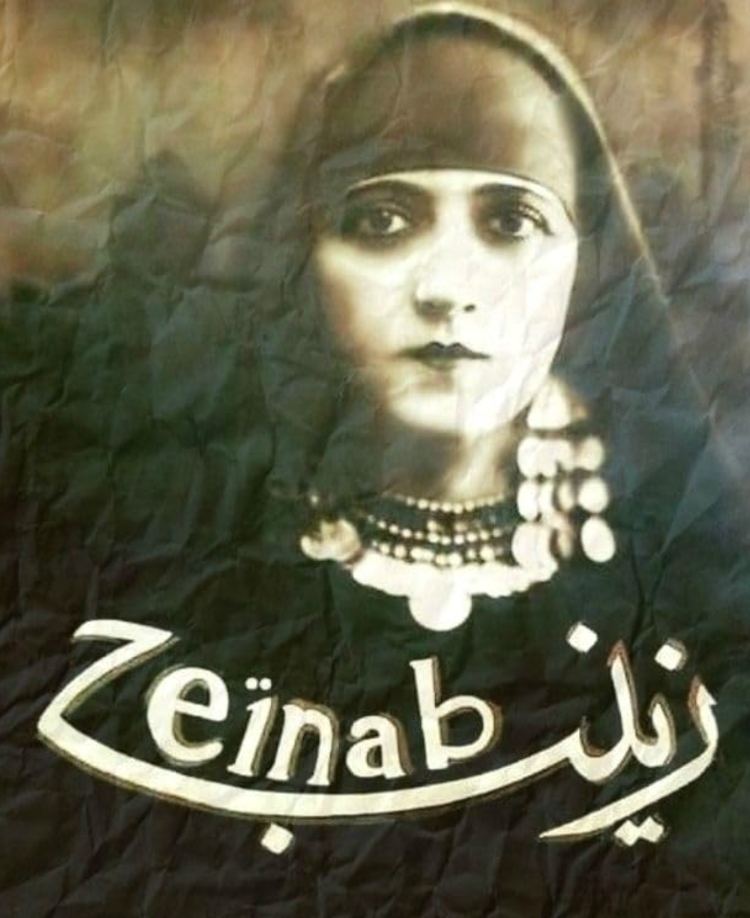
In rural Egypt, Zaynab is portrayed as a dedicated farm worker who falls in love with her supervisor, only to face family pressure and social expectations that compel her into an unwanted arranged marriage.
Zaynab’s runtime of approximately 110 minutes and its technical achievements demonstrated the evolving nature of filmmaking in Egypt, establishing a new standard for narrative complexity and visual storytelling.
Together, “Laila” and “Zaynab” served as catalysts for exploring themes of gender, morality, and societal expectations. These silent films’ impact extends beyond their initial release; they continue to be studied and celebrated as foundational works that shaped the trajectory of Egyptian cinema.






Comments (0)