


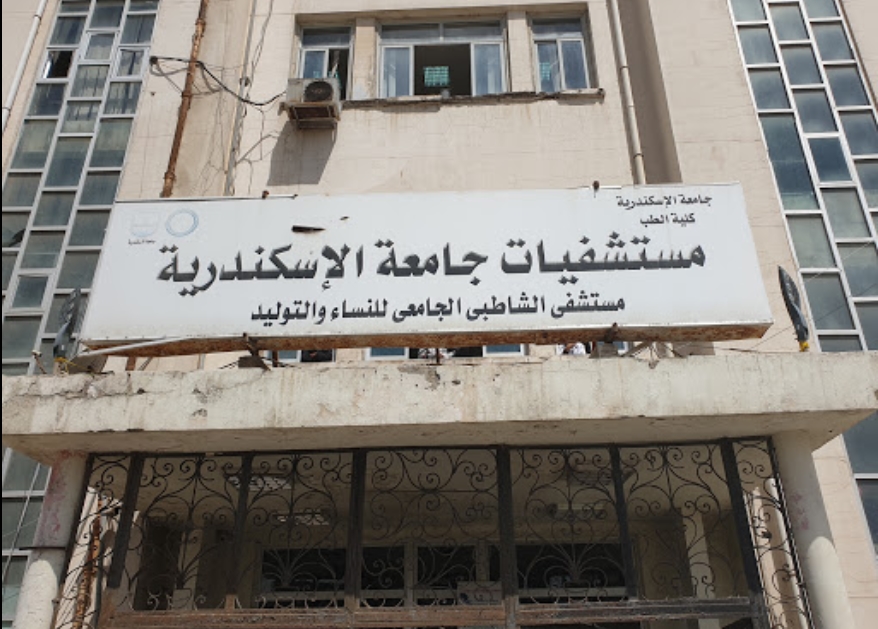
On Monday, 15 June 2026, Omnia Sweidan, a physician and filmmaker from Egypt, posted a Facebook testimony alleging mistreatment and abuse at Alexandria’s El‑Shatby Hospital.
In the post, she introduced herself as a former resident physician in obstetrics and gynecology at El‑Shatby University Hospital, and shared what she witnessed during her training.
She said the incidents reflected years of abuse, including claims of sexual abuse, humiliation, and neglect.
According to her account, a woman in labor was allegedly sexually assaulted under the pretense of a medical examination, patients were being physically abused during childbirth, and an alleged rape victim was denied care.
Institutional Response and Public Reaction
Her post highlighted that the hospital caused psychological trauma to a large share of those who entered, urging an investigation.
Within hours, the attention moved from social media to state action. Security forces arrested Sweidan at her home in Damanhour on Tuesday, 16 June, for spreading false news and misusing social media. The Public Prosecution later moved the case forward with formal charges.
She was then released on bail on Wednesday, 17 June, with a bail amount of 20,000 EGP (USD 401.44). If the case proceeds to conviction, the allegations carry the potential for a long prison time.
Many women turned to social media as Sweidan’s testimony resonated, raising concerns about violations of privacy, procedures performed without consent, and the dismissal of women’s pain.
Several strands of investigation have appeared alongside Sweidan’s claims, widening the frame from one testimony to a larger issue. A fact-checking independent platform called, Matsda2sh, which translates to “Don’t Believe It,” released a report after interviews with former El‑Shatby doctors who worked at the hospital between 2017 and 2023.
The report described a workplace culture that interviewees said normalized verbal abuse, humiliation, and neglect, including accounts of women being insulted or slapped during labor and subjected to painful examinations while being denied dignity at vulnerable moments.
According to a report by Al Arabiya, Sweidan had worked at El‑Shatby as an “intern physician” for only several months, and her connection to the hospital ended about six years earlier.
She does not recall the names of specific individuals from the staff during that short training period, and the basis for her allegations may have included limited medical experience and difficulty distinguishing routine examination procedures in obstetrics and gynecology from what she perceived as harassment, according to Al Arabiya’s report.
In response, Alexandria University authorities announced they would launch an investigation into the allegations circulating online with an emphasis on protecting patient dignity and handling any confirmed wrongdoing with seriousness and transparency.
Meanwhile, the Egyptian Medical Syndicate stressed that no formal complaints had been submitted and cautioned against broad generalizations about Egyptian doctors, stating that the overwhelming majority work under extraordinary pressure.
This is not the first time a doctor has been arrested following systematic complaints.
During the 2020 COVID-19 pandemic, the Egyptian government launched a crackdown on healthcare workers, detaining at least seven doctors and two pharmacists on false news charges for criticizing unsafe working conditions and the way the state handled the crisis.
While Sweidan’s accusations have sparked official investigations, legal actions, and public discussion, authorities, on the other hand, stressed the importance of evidence-based data despite former medical staff members voicing concerns about working practices at El-Shatby Hospital.






Comment (1)
As an obs gyn consultant first 45 years in uk, l reas Swaidan allegations and commented on them previously on several platforms. I ,like shaitan, worked as an intern doctor at the same hospital before coming to the uk. I also experienced similar stark and harsh treatments and abuse of labouring women and very primitive medical care given to patients at different health care facilities in Egypt. It’s somehow understandable given the poor resources Egypt has, as well as the sheer number of patients attending different health care facilities. I also understand the tremendous amount of effort that good attending physicians give to their patients. Nevertheless, we should accept criticism from anyone. This is the only way services may improve in any country or establishments.