

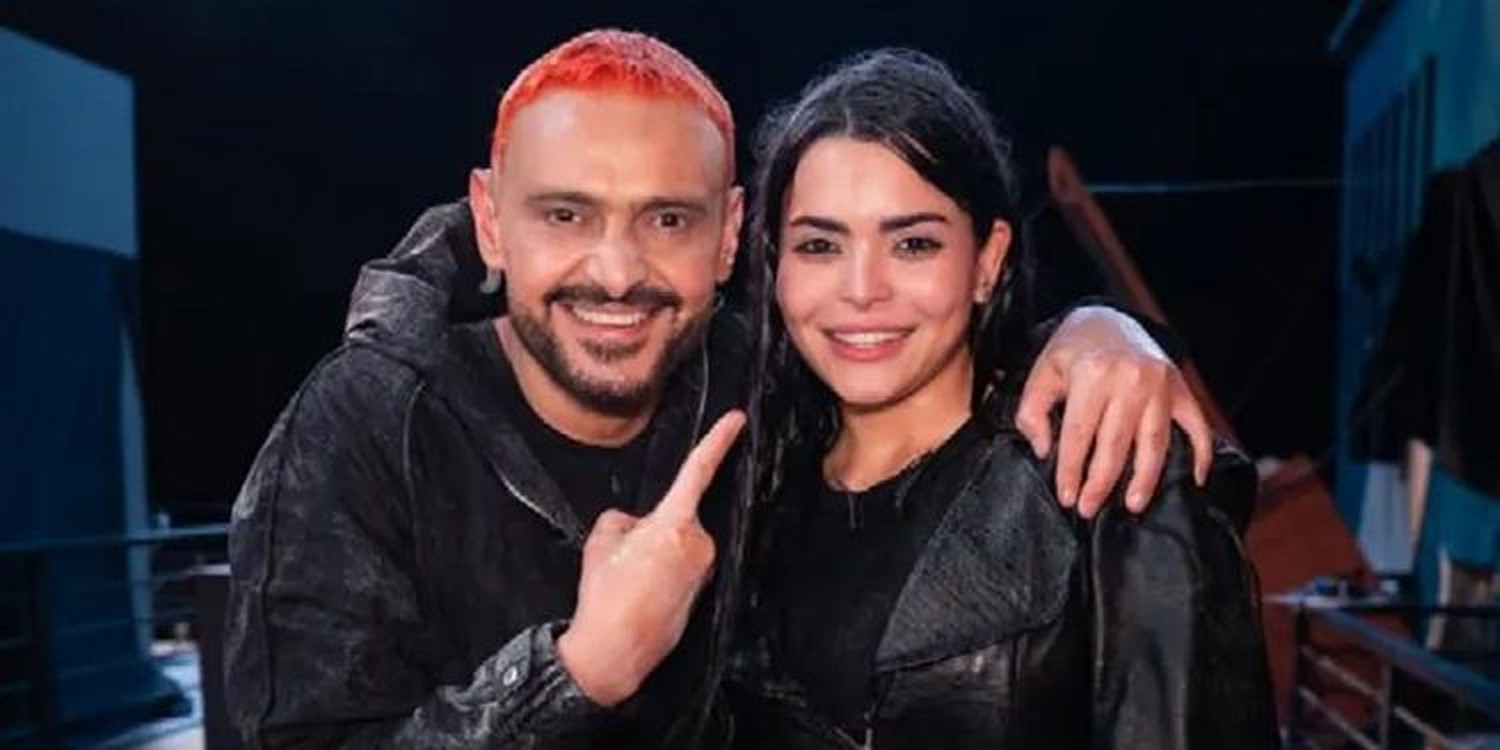
Within the first two days of Ramadan 2026, an episode of Ramez Galal’s prank show Ramez Level the Monster, featuring actress Asmaa Galal, sparked widespread controversy.
The reaction has revived concerns about the treatment of women in Arab entertainment and has led to legal action.
Through her lawyer, Nehad Abou El Qomsan, Egyptian actress Asmaa Galal has initiated legal proceedings against the program, describing the episode as defamatory and an infringement on her personal dignity.
In a formal statement, she argued that the segment went beyond comedy, calling it deliberate humiliation that amounts to harassment.
The episode, which aired recently ahead of the official start of Ramadan, depicted Asmaa Galal being lured into what she believed was an interview on a program. Instead, she was subjected to a series of pranks designed to elicit fear and surprise.
Galal opened the segment by making disparaging remarks about her appearance, criticizing her choice of tight leggings, commenting on her body, and questioning whether her features were natural.
Social media has amplified the backlash, with users decrying the shows as “humiliation rituals” that sexualize fear and vulnerability. One X post lamented, “Ramez Galal degrades women so badly and sexualizes them… It’s one of the reasons men are getting worse.”
Another highlighted the irony of airing such content during Ramadan, calling it a normalization of degradation that influences young audiences.
Mental health experts echo these concerns, warning that repeated exposure to sadistic pranks can desensitize viewers to real-world abuse, particularly against women.
The show’s history is marred by repeated controversies. In 2017, “Ramez Underground” faced accusations of “torturing” guests, with Galal himself boasting in trailers about his love for such antics. In 2018, “Ramez Sub Zero” drew ire for alleged sexual harassment, including physical contact with actress Yasmine Sabri.
The current uproar coincides with Egypt’s intensified focus on harassment issues, amplified by the “bus incident” earlier this month. A young woman named Maryam Shawky filmed a man allegedly harassing her on a Cairo bus.
The video went viral, but Shawky faced severe backlash, including death threats and victim-blaming centered on her piercings and outfit.





Comments (0)